

Więcej o książce
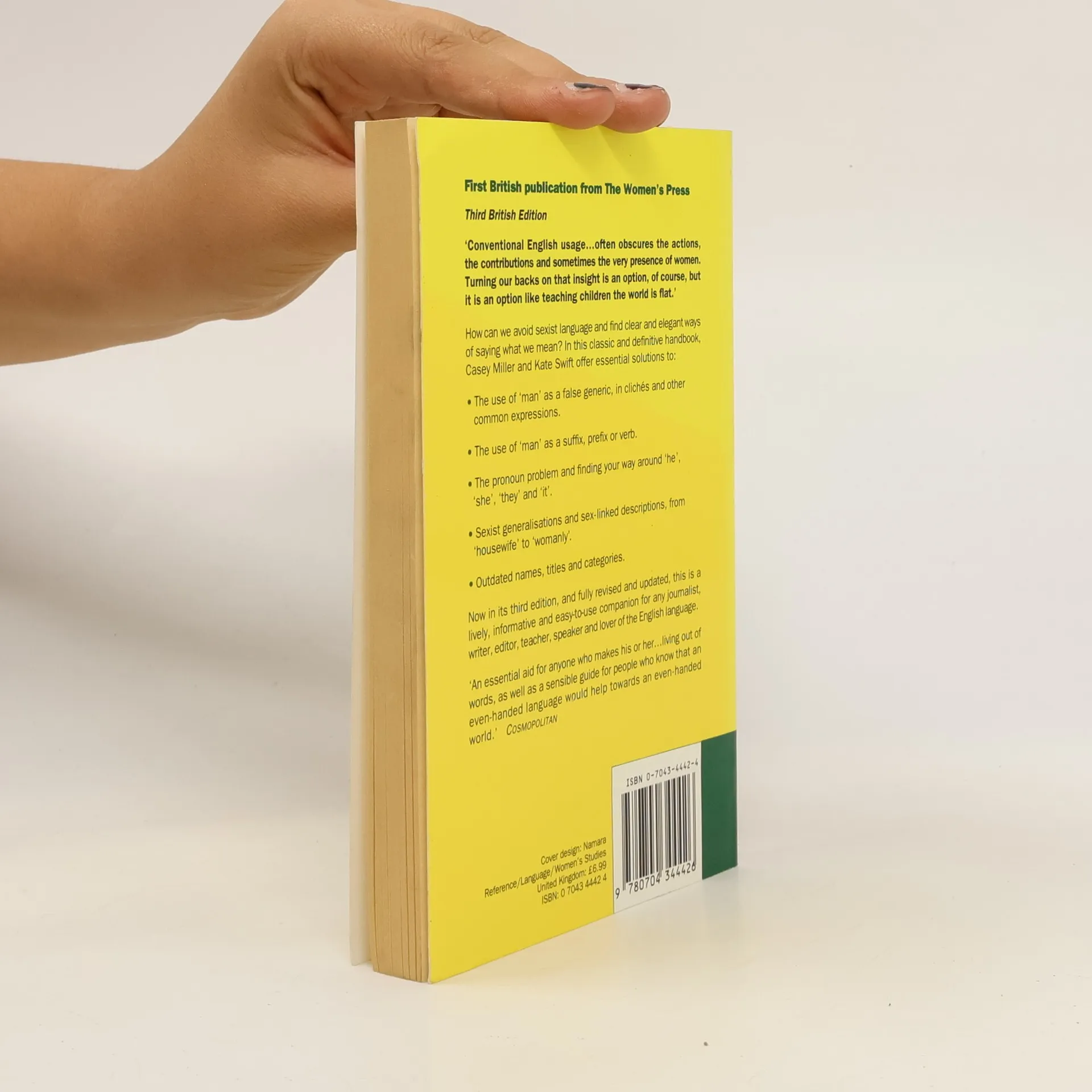
"Man, he brotherhood, founding fathers. It is argued that such words are and always have been used by educated people to encompass all humanity—men and women. Psychological and historical research in the past few years has produced evidence to the contrary: for most people “false generics” seldom if ever convey a female image, nor are they ancient unchangeable rules of the English grammar that have always been used by the educated. Using hundreds of examples, mostly from published sources, the authors illustrate what certain words are saying to us on a subliminal level. Solutions are supplied that range from word substitutions to suggestions for rewriting. Without a trace of self-conscious righteousness, and with refreshing humor, Miller and Swift provide surprising insights into the English language and the ways in which people use it and are used by it. They demonstrate that to be in command of the language, we must find clear, convincing, and graceful ways to convey our ideas accurately. We must recognize and replace exclusive, distorting, ambiguous, and injurious words."


Zakup książki
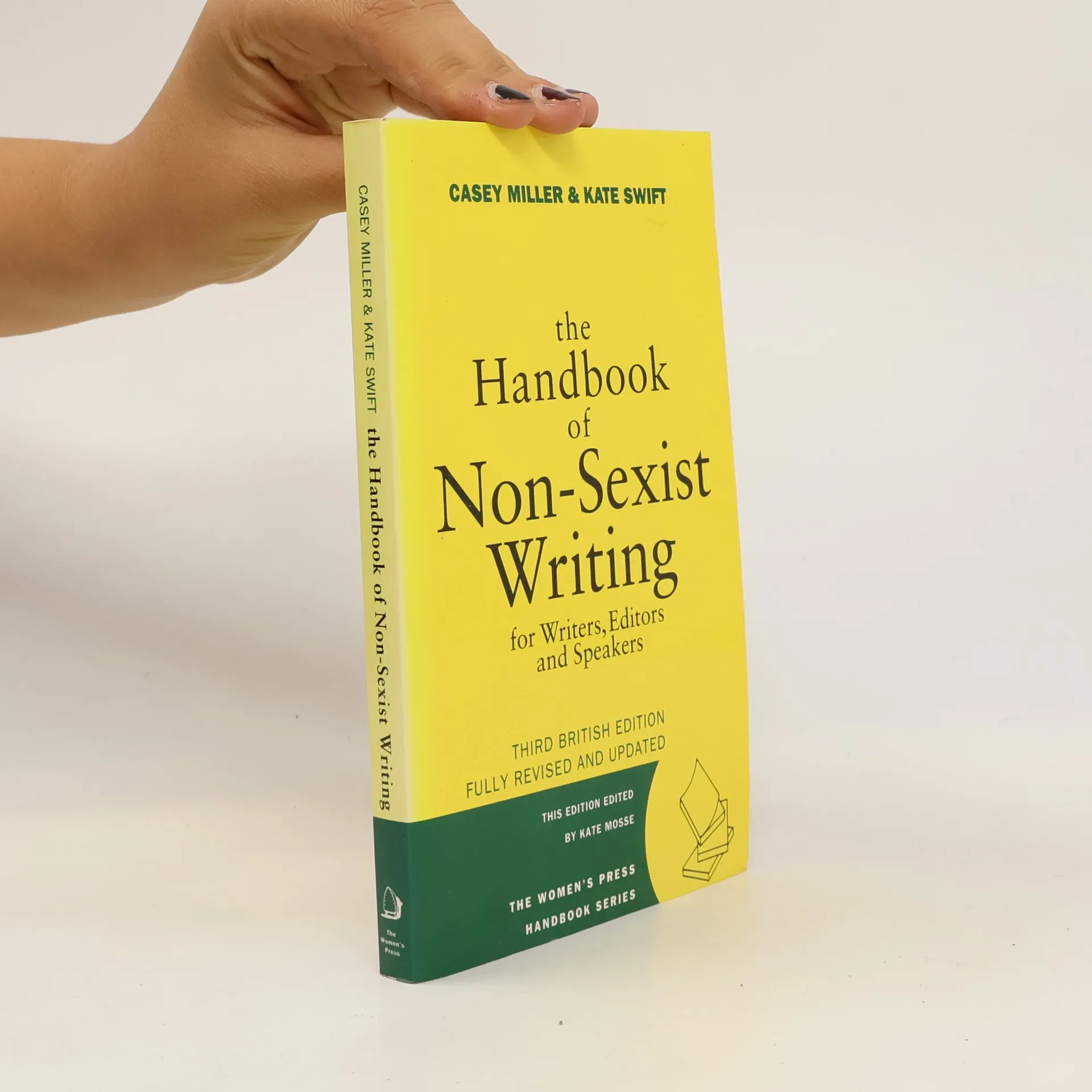
The Handbook of Non-sexist Writing for Writers, Editors and Speakers, Casey Miller, Kate Swift
- Język

- Rok wydania
- 1995
- Oprawa
- (miękka)
Metody płatności
Brakuje nam tutaj Twojej recenzji.
- Tytuł
- The Handbook of Non-sexist Writing for Writers, Editors and Speakers
- Język
- angielski
- Autorzy
- Casey Miller, Kate Swift
- Rok wydania
- 1995
- Oprawa
- miękka
- Liczba stron
- 192
- ISBN10
- 0704344424
- ISBN13
- 9780704344426
- Seria
- Kategorie
- Ocena
- 3,6 z 5
- Opis
- "Man, he brotherhood, founding fathers. It is argued that such words are and always have been used by educated people to encompass all humanity—men and women. Psychological and historical research in the past few years has produced evidence to the contrary: for most people “false generics” seldom if ever convey a female image, nor are they ancient unchangeable rules of the English grammar that have always been used by the educated. Using hundreds of examples, mostly from published sources, the authors illustrate what certain words are saying to us on a subliminal level. Solutions are supplied that range from word substitutions to suggestions for rewriting. Without a trace of self-conscious righteousness, and with refreshing humor, Miller and Swift provide surprising insights into the English language and the ways in which people use it and are used by it. They demonstrate that to be in command of the language, we must find clear, convincing, and graceful ways to convey our ideas accurately. We must recognize and replace exclusive, distorting, ambiguous, and injurious words."