

Więcej o książce
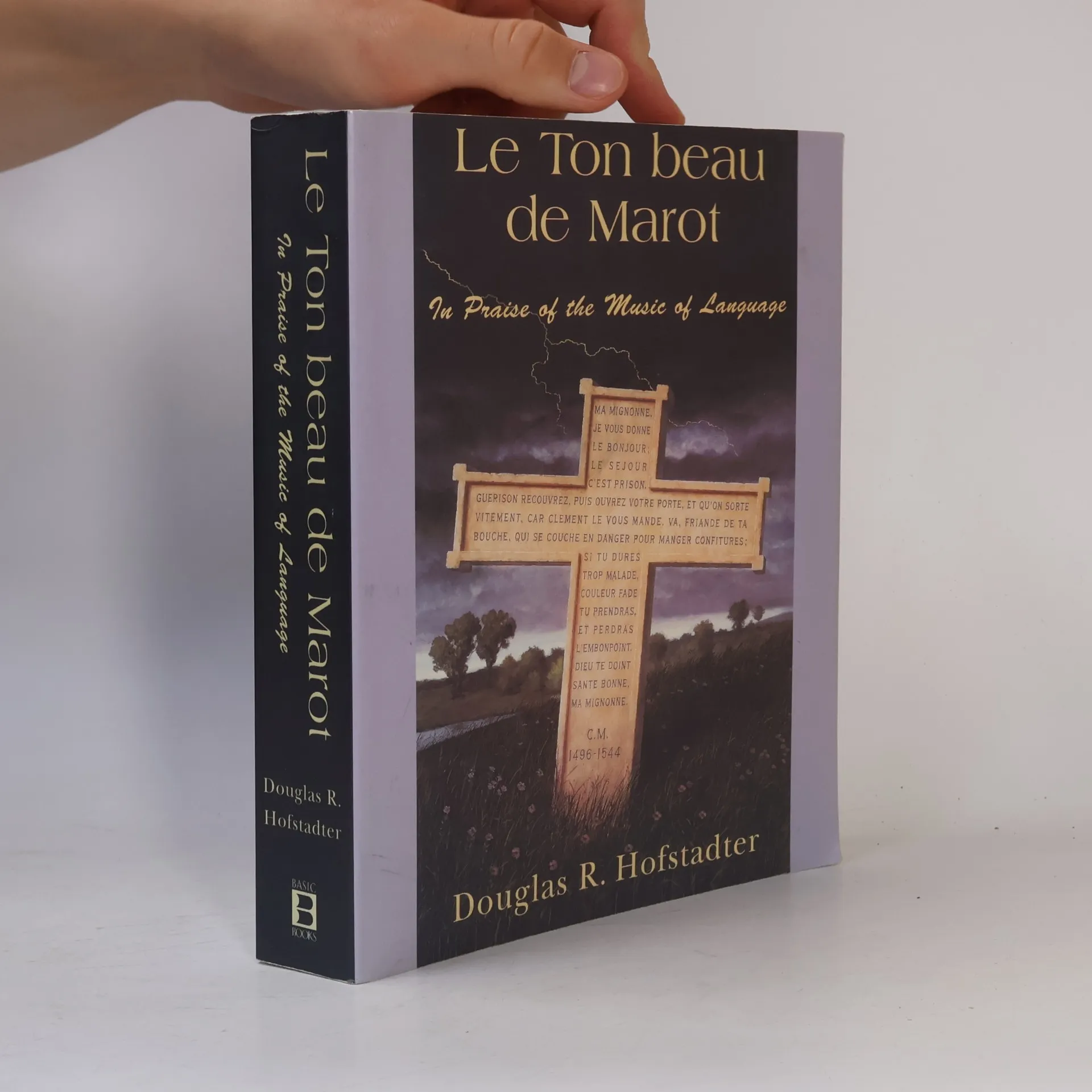
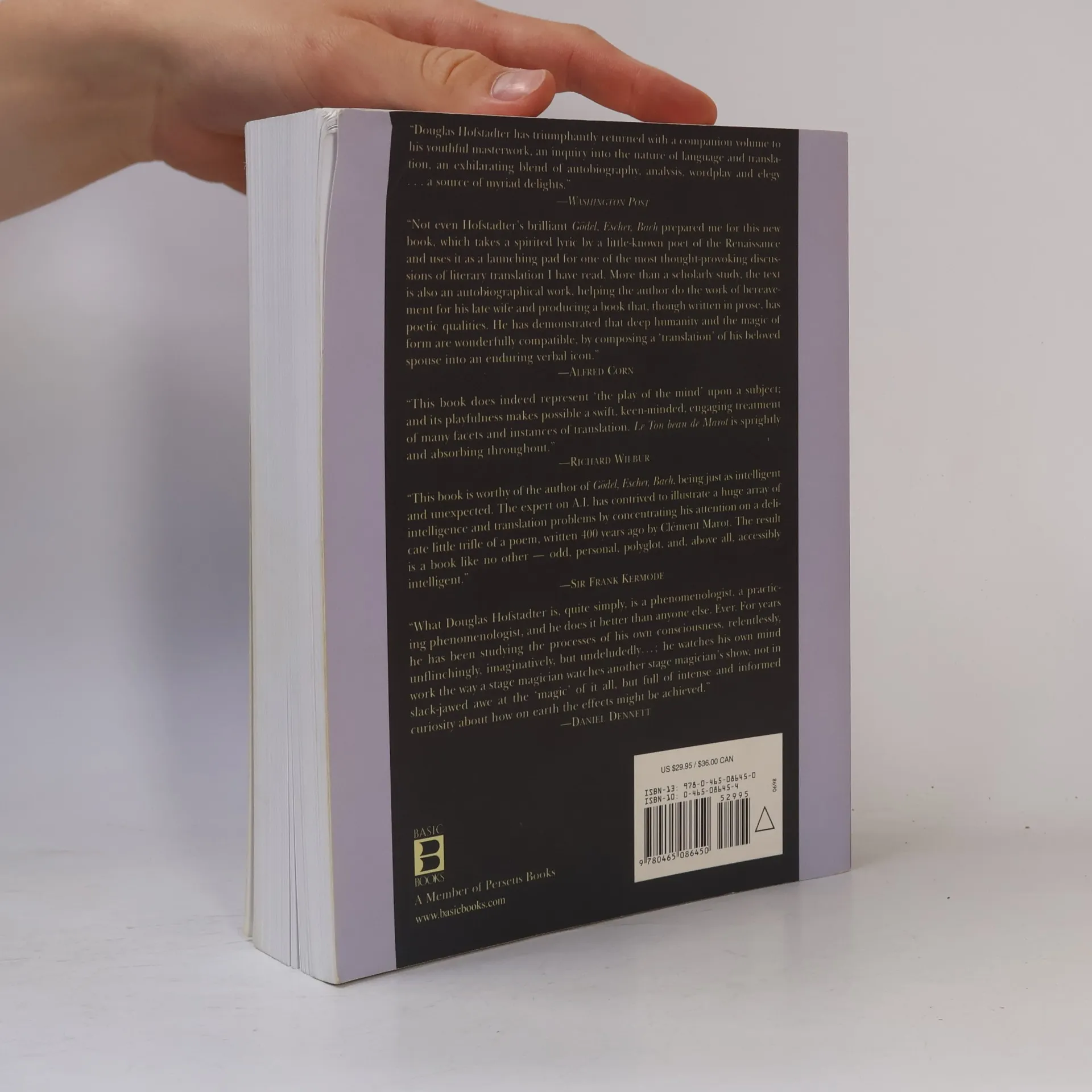
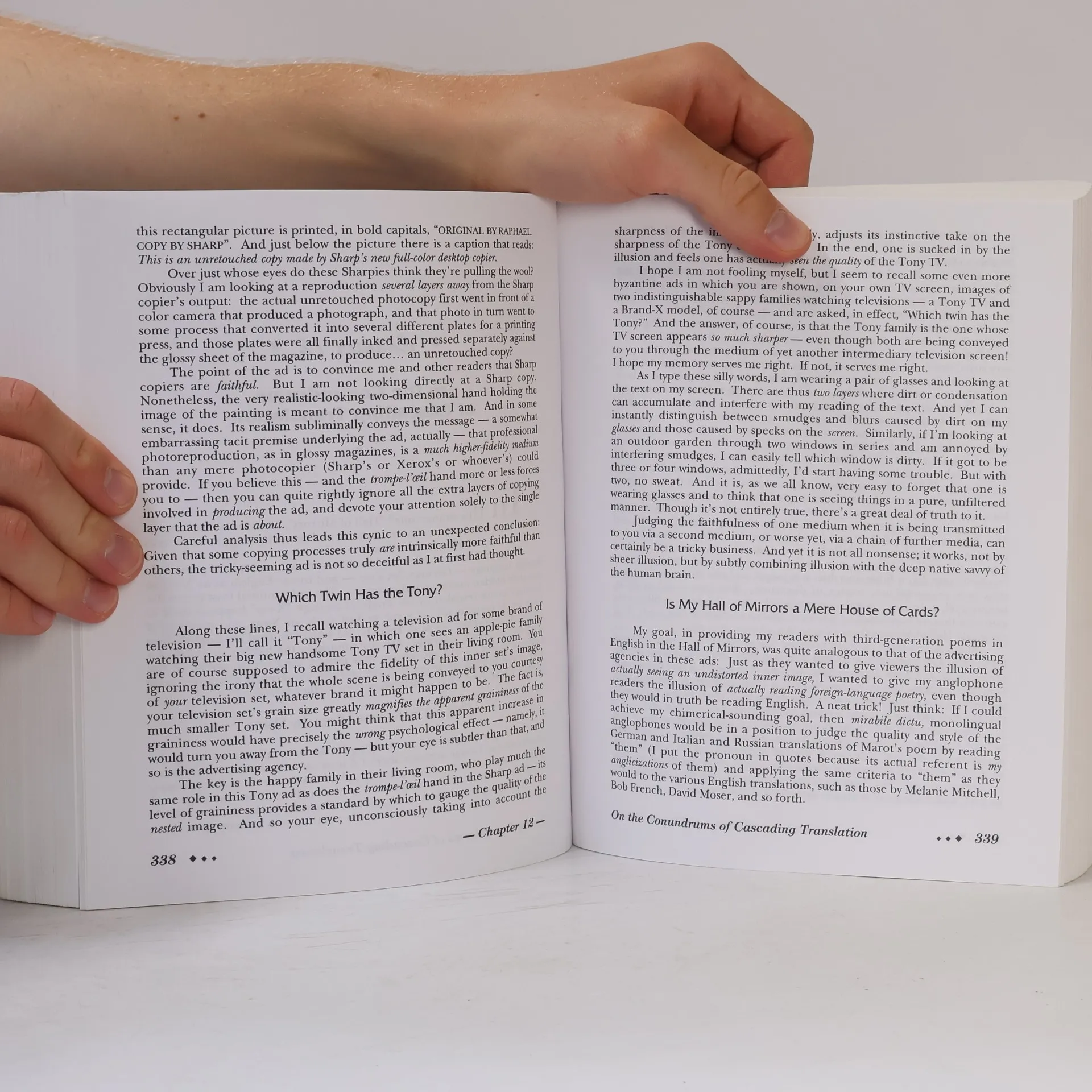
Lost in an art—the art of translation. Pulitzer Prize-winning author and cognitive scientist Douglas Hofstadter hints at what led him to pen a personal homage to the witty sixteenth-century French poet Clément Marot. “Le ton beau de Marot” suggests “Le tombeau de Marot”—foreshadowing the linguistic exuberance of this work. Sparked by a French miniature by Marot, Hofstadter became captivated by the challenge of recreating its sweet message and tight rhymes in English. Over the years, he translated Marot's poem and enlisted friends, students, and even translation programs to tackle this subtle challenge. The result is 88 diverse variations on Marot's theme, interspersed with chapters exploring language and thought. This work is not merely a set of translations; it’s an autobiographical essay, a love letter to the French language, and a reflection on life, loss, and death. It celebrates the creativity inspired by the music of words, weaving in themes from literary works like Pushkin's Eugene Onegin and Salinger's Catcher in the Rye. Rife with stunning form-content interplay and creative linguistic experiments, it appeals to literature lovers and those interested in contemporary ideas about creativity and language. This exploration is sure to provoke excitement and controversy among poets, translators, critics, and those studying creativity.


Zakup książki
Le Ton beau de Marot, Douglas Hofstadter
- Język

- Rok wydania
- 1998
- Oprawa
- (miękka)
Metody płatności
Brakuje nam tutaj Twojej recenzji.
- Tytuł
- Le Ton beau de Marot
- Podtytuł
- In Praise of the Music of Language
- Język
- angielski
- Autorzy
- Douglas Hofstadter
- Wydawca
- Basic Books
- Rok wydania
- 1998
- Oprawa
- miękka
- Liczba stron
- 632
- ISBN10
- 0465086454
- ISBN13
- 9780465086450
- Seria
- Kategorie
- Ocena
- 4,5 z 5
- Opis
- Lost in an art—the art of translation. Pulitzer Prize-winning author and cognitive scientist Douglas Hofstadter hints at what led him to pen a personal homage to the witty sixteenth-century French poet Clément Marot. “Le ton beau de Marot” suggests “Le tombeau de Marot”—foreshadowing the linguistic exuberance of this work. Sparked by a French miniature by Marot, Hofstadter became captivated by the challenge of recreating its sweet message and tight rhymes in English. Over the years, he translated Marot's poem and enlisted friends, students, and even translation programs to tackle this subtle challenge. The result is 88 diverse variations on Marot's theme, interspersed with chapters exploring language and thought. This work is not merely a set of translations; it’s an autobiographical essay, a love letter to the French language, and a reflection on life, loss, and death. It celebrates the creativity inspired by the music of words, weaving in themes from literary works like Pushkin's Eugene Onegin and Salinger's Catcher in the Rye. Rife with stunning form-content interplay and creative linguistic experiments, it appeals to literature lovers and those interested in contemporary ideas about creativity and language. This exploration is sure to provoke excitement and controversy among poets, translators, critics, and those studying creativity.