



Parametry
Więcej o książce
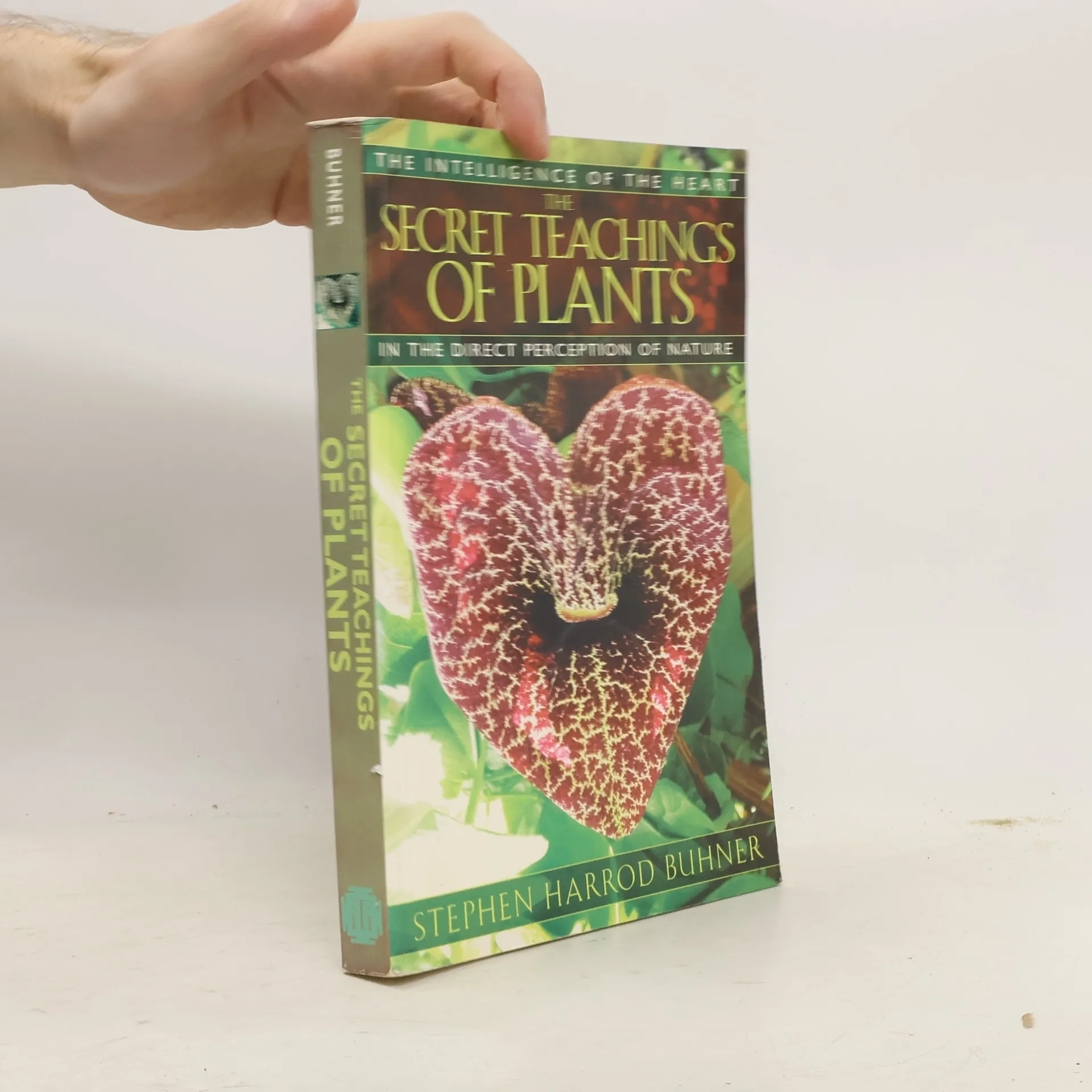
This work reveals the significance of direct perception in comprehending Nature, medicinal plants, and healing human ailments. It delves into the techniques employed by both indigenous and Western cultures to learn from plants, featuring figures like Henry David Thoreau, Goethe, and Masanobu Fukuoka. The text emphasizes that ancient and indigenous peoples believed their knowledge of plant medicines originated from the plants themselves rather than through trial-and-error methods. It highlights two cognitive modes available to humans: the brain-based linear and the heart-based holistic. The heart-centered approach, as asserted by many cultures, can yield precise and detailed information if cultivated. Author Stephen Harrod Buhner examines this alternative mode of perception through the insights of remarkable individuals, including Luther Burbank, who developed many common food plants, and Goethe, known for his studies on plant metamorphosis. Buhner identifies common threads in their methodologies and outlines specific steps for engaging with the plant world. Readers will acquire tools to gather information directly from Nature, learn about the medicinal properties of plants, diagnose diseases, and appreciate the soul-making process that arises from such profound connections with the environment.

Wydanie


Zakup książki
The Secret Teachings of Plants, Stephen Harrod Buhner
- Język

- Rok wydania
- Oprawa
- (miękka)
Metody płatności
Brakuje nam tutaj Twojej recenzji.
- Tytuł
- The Secret Teachings of Plants
- Język
- angielski
- Autorzy
- Stephen Harrod Buhner
- Oprawa
- miękka
- ISBN10
- 1594770638
- ISBN13
- 9781594770630
- Seria
- Kategorie
- Oryginalna nazwa
- The Secret Teachings of Plants
- Ocena
- 4,25 z 5
- Opis
- This work reveals the significance of direct perception in comprehending Nature, medicinal plants, and healing human ailments. It delves into the techniques employed by both indigenous and Western cultures to learn from plants, featuring figures like Henry David Thoreau, Goethe, and Masanobu Fukuoka. The text emphasizes that ancient and indigenous peoples believed their knowledge of plant medicines originated from the plants themselves rather than through trial-and-error methods. It highlights two cognitive modes available to humans: the brain-based linear and the heart-based holistic. The heart-centered approach, as asserted by many cultures, can yield precise and detailed information if cultivated. Author Stephen Harrod Buhner examines this alternative mode of perception through the insights of remarkable individuals, including Luther Burbank, who developed many common food plants, and Goethe, known for his studies on plant metamorphosis. Buhner identifies common threads in their methodologies and outlines specific steps for engaging with the plant world. Readers will acquire tools to gather information directly from Nature, learn about the medicinal properties of plants, diagnose diseases, and appreciate the soul-making process that arises from such profound connections with the environment.