

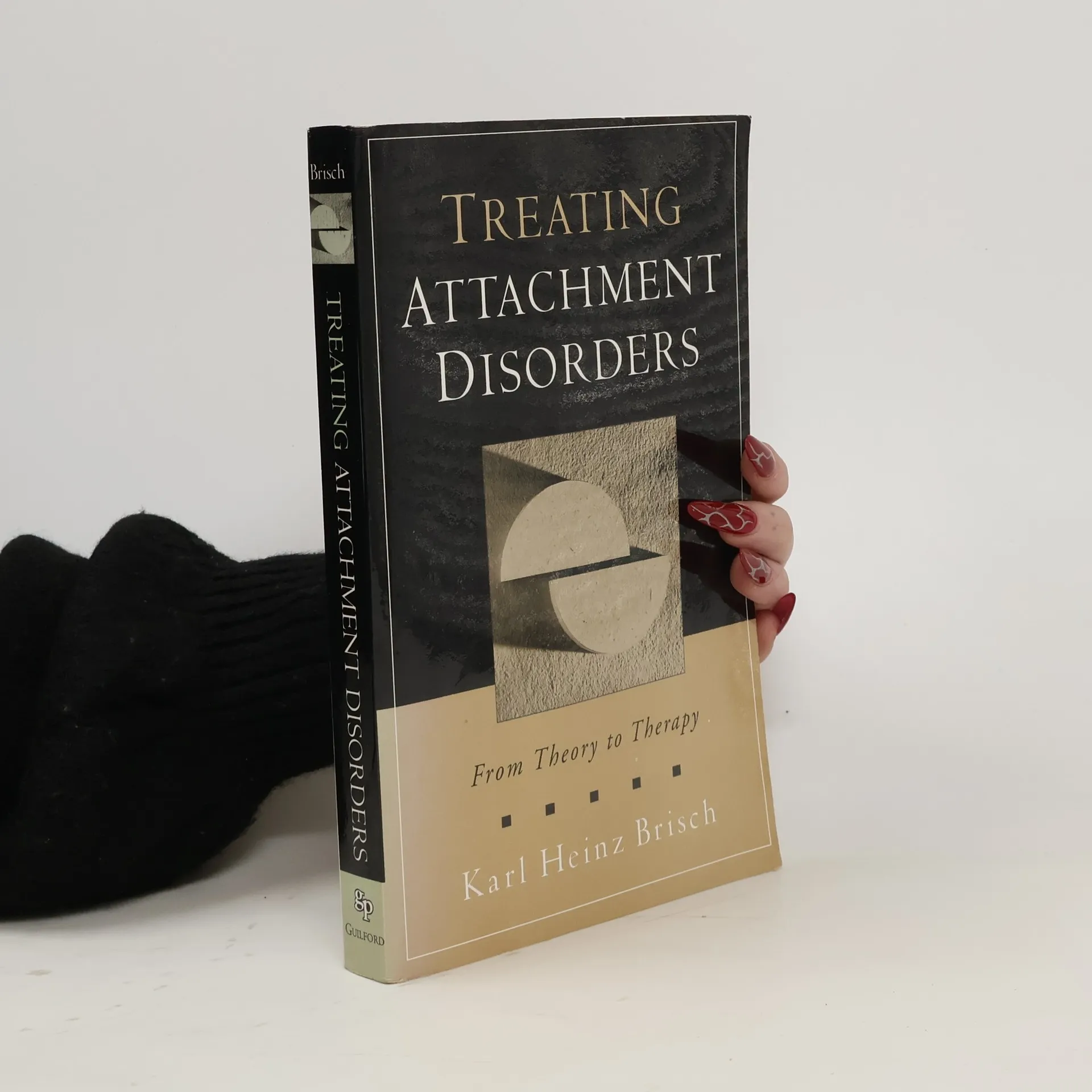


Więcej o książce
Attachment theory and research have greatly enhanced our understanding of the role of parent-child relationships in the development of psychopathology. Yet until now, little has been written on how an attachment perspective can be used to actively inform psychotherapeutic practice. In this invaluable work, Karl Heinz Brisch presents an attachment-oriented framework for assessing and treating patients of all ages. Rich, extended case examples form the core of the book. Demonstrated are the ways attachment-oriented interventions can effectively be used to treat a wide range of couples trying unsuccessfully to conceive, women with severe postpartum depression, children and adolescents with behavioral and emotional disturbances, adults with relationship difficulties and work problems, and others. Applications in short- and long-term psychotherapy are discussed, as well as use of the model in such other contexts as prevention in infant mental health, family therapy, and group work. A vital resource for practitioners, this book is also a compelling text for graduate-level psychotherapy courses.





Zakup książki
Treating Attachment Disorders, Karl Heinz Brisch
- Język

- Rok wydania
- 2004
- Oprawa
- (miękka)
Metody płatności
Brakuje nam tutaj Twojej recenzji.
- Tytuł
- Treating Attachment Disorders
- Język
- angielski
- Autorzy
- Karl Heinz Brisch
- Wydawca
- Guilford Press
- Rok wydania
- 2004
- Oprawa
- miękka
- Liczba stron
- 294
- ISBN10
- 1593850441
- ISBN13
- 9781593850449
- Seria
- Kategorie
- Pierwsze wydanie
- 2011
- Oryginalna nazwa
- Bindungsstörungen
- Ocena
- 4,05 z 5
- Opis
- Attachment theory and research have greatly enhanced our understanding of the role of parent-child relationships in the development of psychopathology. Yet until now, little has been written on how an attachment perspective can be used to actively inform psychotherapeutic practice. In this invaluable work, Karl Heinz Brisch presents an attachment-oriented framework for assessing and treating patients of all ages. Rich, extended case examples form the core of the book. Demonstrated are the ways attachment-oriented interventions can effectively be used to treat a wide range of couples trying unsuccessfully to conceive, women with severe postpartum depression, children and adolescents with behavioral and emotional disturbances, adults with relationship difficulties and work problems, and others. Applications in short- and long-term psychotherapy are discussed, as well as use of the model in such other contexts as prevention in infant mental health, family therapy, and group work. A vital resource for practitioners, this book is also a compelling text for graduate-level psychotherapy courses.