

Parametry
- 222 strony
- 8 godzin czytania
Więcej o książce
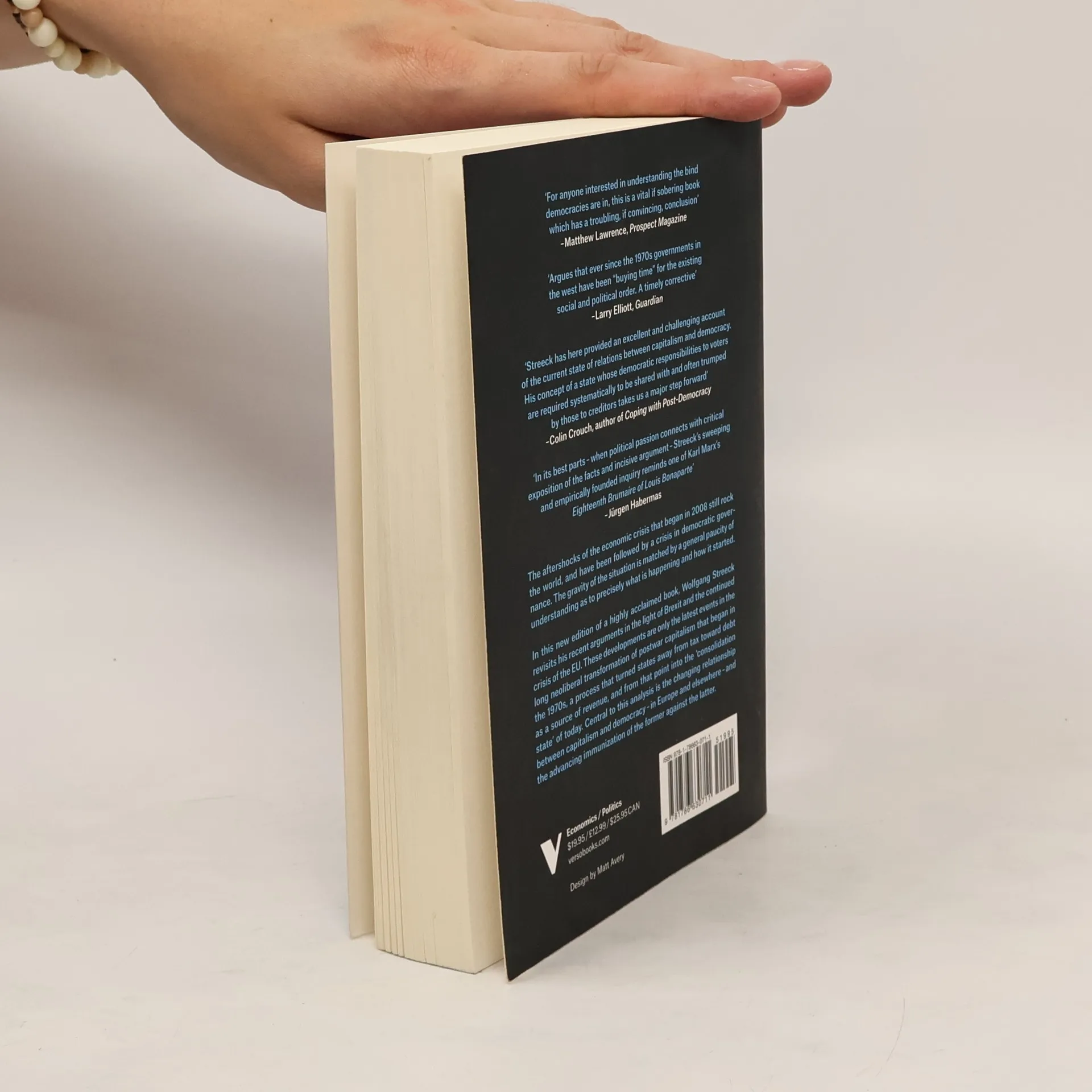
A superbly provocative work of political economy. -Aditya Chakrabortty, Guardian For anyone interested in understanding the bind democracies are in, this is a vital if sobering book with a troubling, yet convincing, conclusion. -Matthew Lawrence, Prospect Is electoral democracy compatible with the economic policies imposed by the EU, backed by Washington and Wall Street? This question is central to Wolfgang Streeck's work, which is sparking debate in Germany. Streeck contends that since the 1970s, declining Western economic growth has made it increasingly difficult for politicians to align profitability with electoral success. Efforts to "buy time" have led to public spending deficits and rising private debt. The current crisis highlights the conflict between financial markets and popular will, where investors can drive up bond yields at the risk of elections. Streeck argues that Europe faces a choice between capitalism and democracy, with the former likely prevailing. Citizens may find themselves left with little more than words and cobblestones. -Susan Watkins, London Review of Books Streeck provides a challenging account of capitalism's relationship with democracy, introducing a concept where democratic responsibilities are often overshadowed by creditors. -Colin Crouch, author of Coping With Post-Democracy His inquiry, rich in theoretical references and statistical data, is logically organized and well-argued, reminiscent



Zakup książki
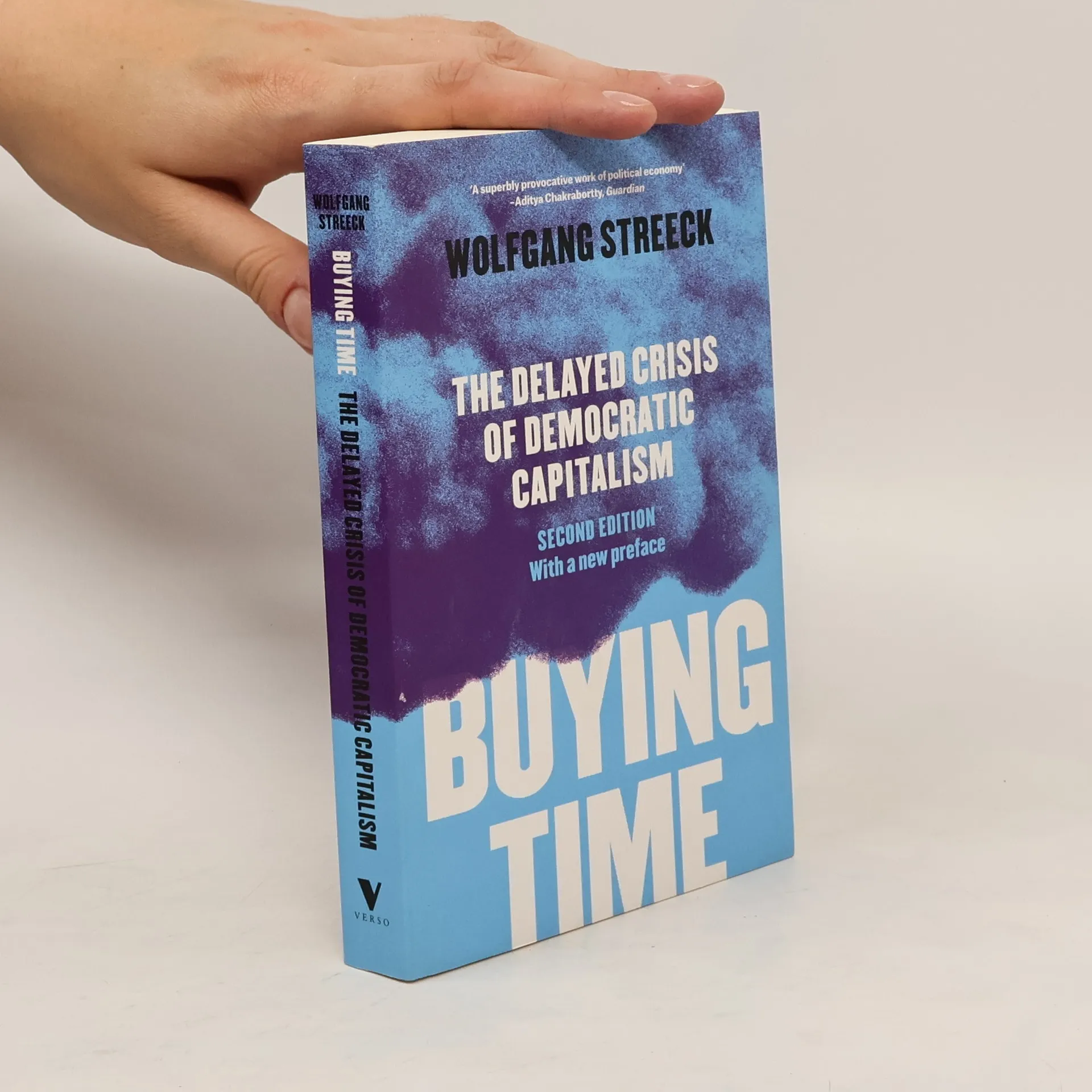
Buying Time, Wolfgang Streeck
- Język

- Rok wydania
- 2017
- Oprawa
- (miękka)
Metody płatności
Brakuje nam tutaj Twojej recenzji.
- Tytuł
- Buying Time
- Język
- angielski
- Autorzy
- Wolfgang Streeck
- Wydawca
- Verso Books
- Rok wydania
- 2017
- Oprawa
- miękka
- Liczba stron
- 222
- ISBN10
- 1786630710
- ISBN13
- 9781786630711
- Seria
- Kategorie
- Tagi
- Tematy historyczne, Biznes, Polityka, Prezenty dla dziadka, Społeczeństwo, Demokracja, Kapitalizm, Neoliberalizm, Krach na giełdzie
- Oryginalna nazwa
- Gekaufte Zeit
- Ocena
- 4,05 z 5
- Opis
- A superbly provocative work of political economy. -Aditya Chakrabortty, Guardian For anyone interested in understanding the bind democracies are in, this is a vital if sobering book with a troubling, yet convincing, conclusion. -Matthew Lawrence, Prospect Is electoral democracy compatible with the economic policies imposed by the EU, backed by Washington and Wall Street? This question is central to Wolfgang Streeck's work, which is sparking debate in Germany. Streeck contends that since the 1970s, declining Western economic growth has made it increasingly difficult for politicians to align profitability with electoral success. Efforts to "buy time" have led to public spending deficits and rising private debt. The current crisis highlights the conflict between financial markets and popular will, where investors can drive up bond yields at the risk of elections. Streeck argues that Europe faces a choice between capitalism and democracy, with the former likely prevailing. Citizens may find themselves left with little more than words and cobblestones. -Susan Watkins, London Review of Books Streeck provides a challenging account of capitalism's relationship with democracy, introducing a concept where democratic responsibilities are often overshadowed by creditors. -Colin Crouch, author of Coping With Post-Democracy His inquiry, rich in theoretical references and statistical data, is logically organized and well-argued, reminiscent