



Seria
Więcej o książce
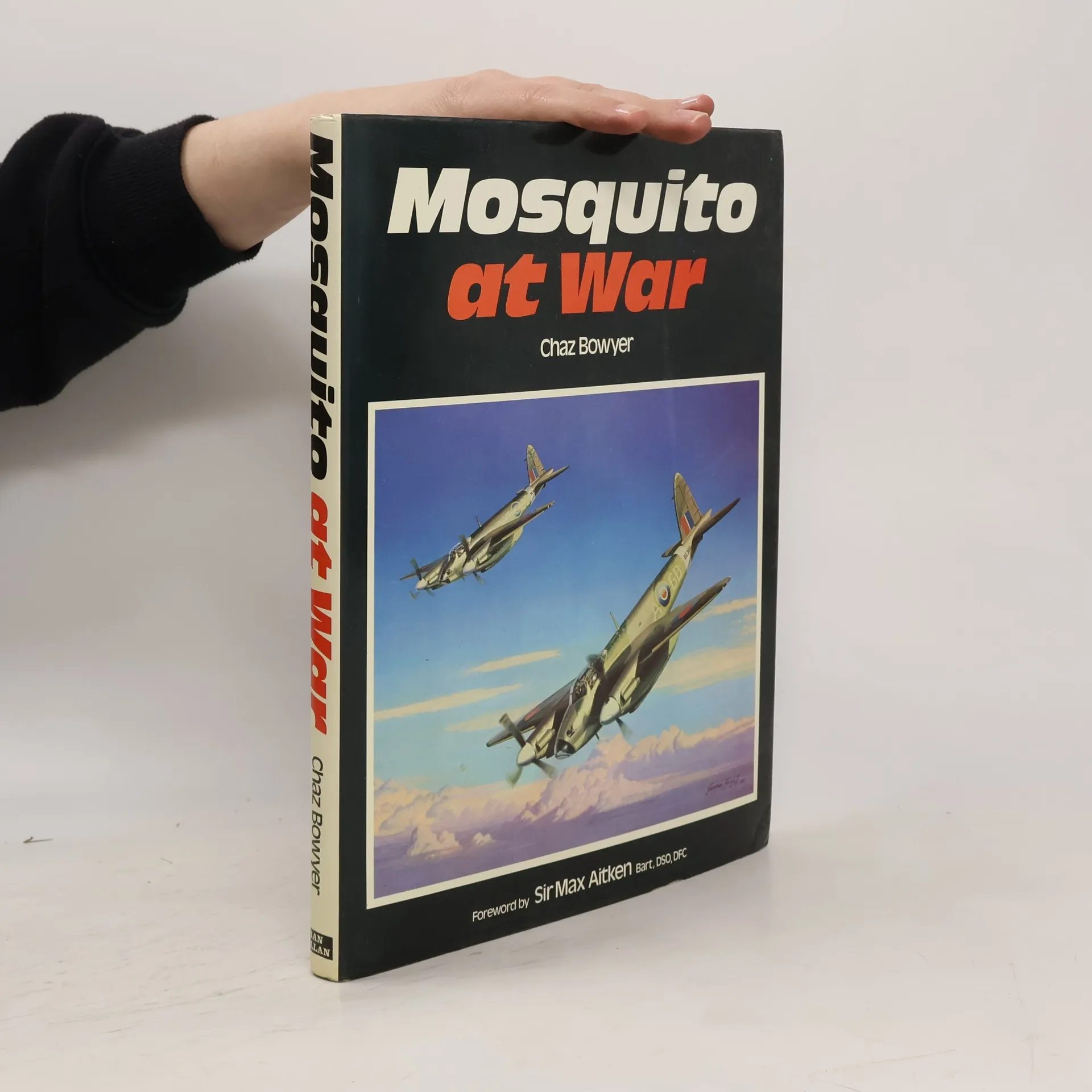
The de Havilland DH.98 Mosquito was a British multi-role combat aircraft with a two-man crew that served during and after the Second World War. It was one of few operational front-line aircraft of the era constructed almost entirely of wood and was nicknamed "The Wooden Wonder". The Mosquito was also known affectionately as the "Mossie" to its crews. Originally conceived as an unarmed fast bomber, the Mosquito was adapted to roles including low to medium-altitude daytime tactical bomber, high-altitude night bomber, pathfinder, day or night fighter, fighter-bomber, intruder, maritime strike aircraft, and fast photo-reconnaissance aircraft. It was also used by the British Overseas Airways Corporation (BOAC) as a fast transport to carry small high-value cargoes to, and from, neutral countries, through enemy-controlled airspace. A single passenger could be carried in the aircraft's bomb bay, which was adapted for the purpose


Zakup książki
Mosquito at War, Chaz Bowyer
- Język

- Rok wydania
- 1973
- Oprawa
- (twarda)
Metody płatności
Brakuje nam tutaj Twojej recenzji.
- Tytuł
- Mosquito at War
- Język
- angielski
- Autorzy
- Chaz Bowyer
- Wydawca
- London : I. Allan
- Rok wydania
- 1973
- Oprawa
- twarda
- Liczba stron
- 144
- ISBN10
- 0711004749
- ISBN13
- 9780711004740
- Seria
- At War
- Kategorie
- Tagi
- Lotnictwo
- Ocena
- 3,75 z 5
- Opis
- The de Havilland DH.98 Mosquito was a British multi-role combat aircraft with a two-man crew that served during and after the Second World War. It was one of few operational front-line aircraft of the era constructed almost entirely of wood and was nicknamed "The Wooden Wonder". The Mosquito was also known affectionately as the "Mossie" to its crews. Originally conceived as an unarmed fast bomber, the Mosquito was adapted to roles including low to medium-altitude daytime tactical bomber, high-altitude night bomber, pathfinder, day or night fighter, fighter-bomber, intruder, maritime strike aircraft, and fast photo-reconnaissance aircraft. It was also used by the British Overseas Airways Corporation (BOAC) as a fast transport to carry small high-value cargoes to, and from, neutral countries, through enemy-controlled airspace. A single passenger could be carried in the aircraft's bomb bay, which was adapted for the purpose