

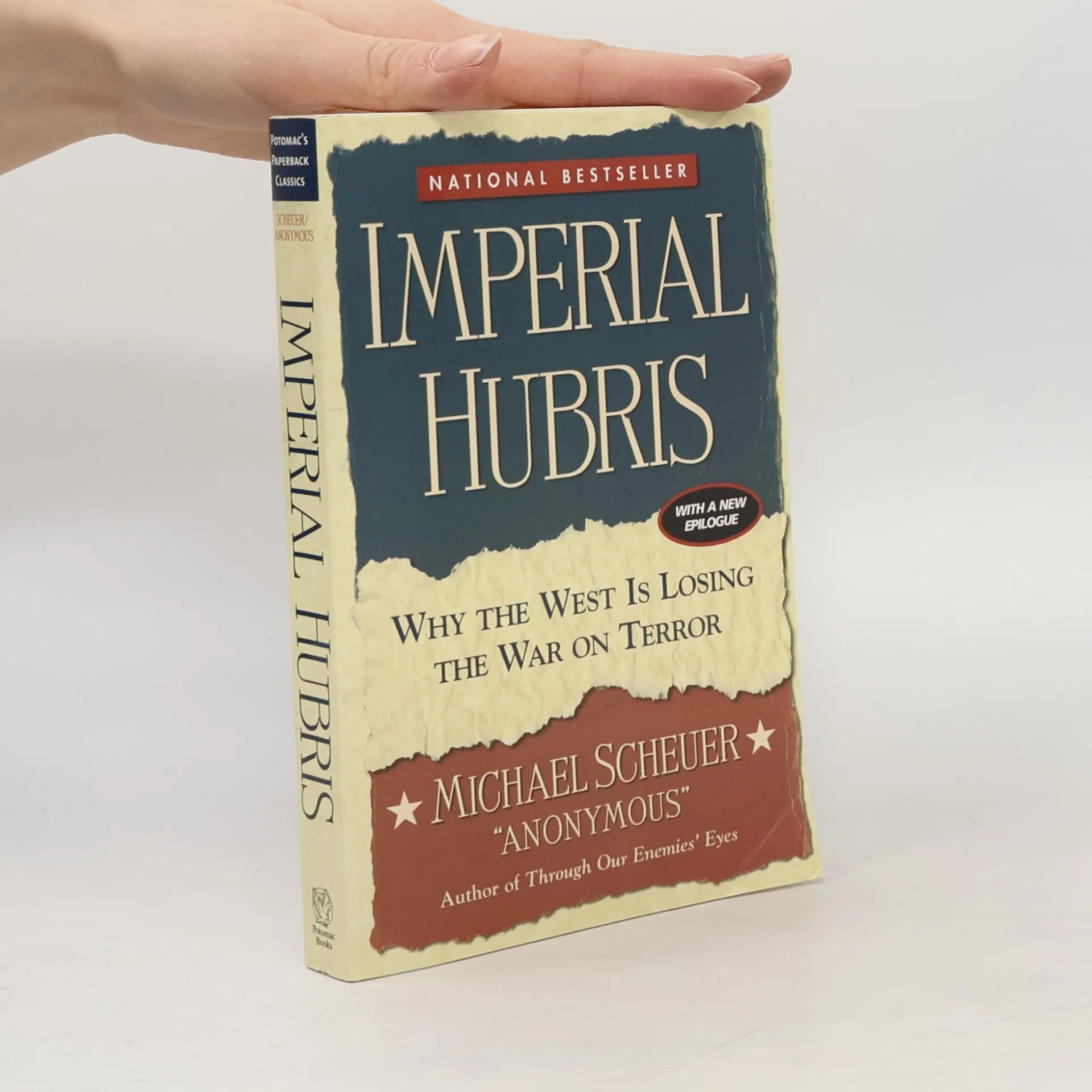
Imperial Hubris
Why the West Is Losing the War on Terror - With a New Epilogue
Autorzy
Ocena książki
Parametry
- 352 strony
- 13 godzin czytania
Więcej o książce
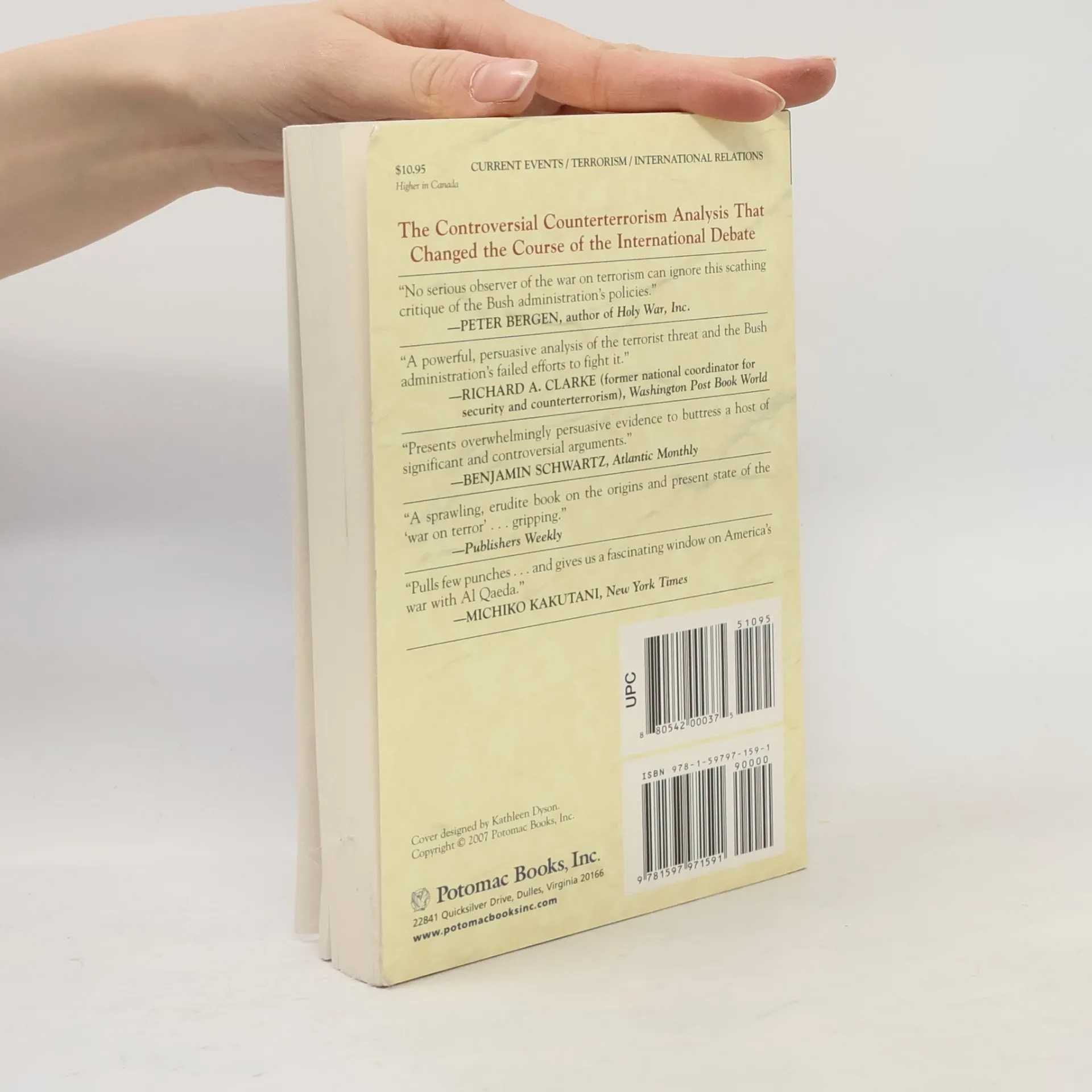
U.S. leaders assert success in combating al Qaeda, yet a member of the intelligence community reveals that we are actually losing the war on terror. The author argues that until leaders acknowledge their misguided approach, our enemies will only gain strength. He emphasizes that the real danger lies in believing, as U.S. officials suggest, that Muslims attack us for our identity and beliefs rather than our actions. Political rhetoric claims that Islamists are offended by Western freedoms and values, but while some aspects may disturb conservative Muslims, no jihadist leader has targeted democracy or coed universities. Instead, discontent stems from specific U.S. policies and their military, political, and economic consequences. Osama bin Laden's strategy capitalizes on this anti-U.S. sentiment, presenting a compelling case that Islam is under siege by America. Al Qaeda's rhetoric condemns U.S. support for corrupt regimes, backing of Israel, and military occupations in Iraq and Afghanistan, framing their grievances as justifications for war. Bin Laden's followers believe their solution lies in conflict, not in dismantling our secular democracy, but in defending their lands, communities, and faith. Unless U.S. leaders recognize this reality and modify their foreign policies, even moderate Muslims may be drawn to bin Laden's cause.


Zakup książki
Imperial Hubris, Michael Scheuer, Anonymous
- Język

- Rok wydania
- 2007
- Oprawa
- (miękka),
- Stan książki
- Bardzo dobry
- Cena
- 36,09 zł
Metody płatności
Brakuje nam tutaj Twojej recenzji.
- Tytuł
- Imperial Hubris
- Podtytuł
- Why the West Is Losing the War on Terror - With a New Epilogue
- Język
- angielski
- Autorzy
- Michael Scheuer, Anonymous
- Wydawca
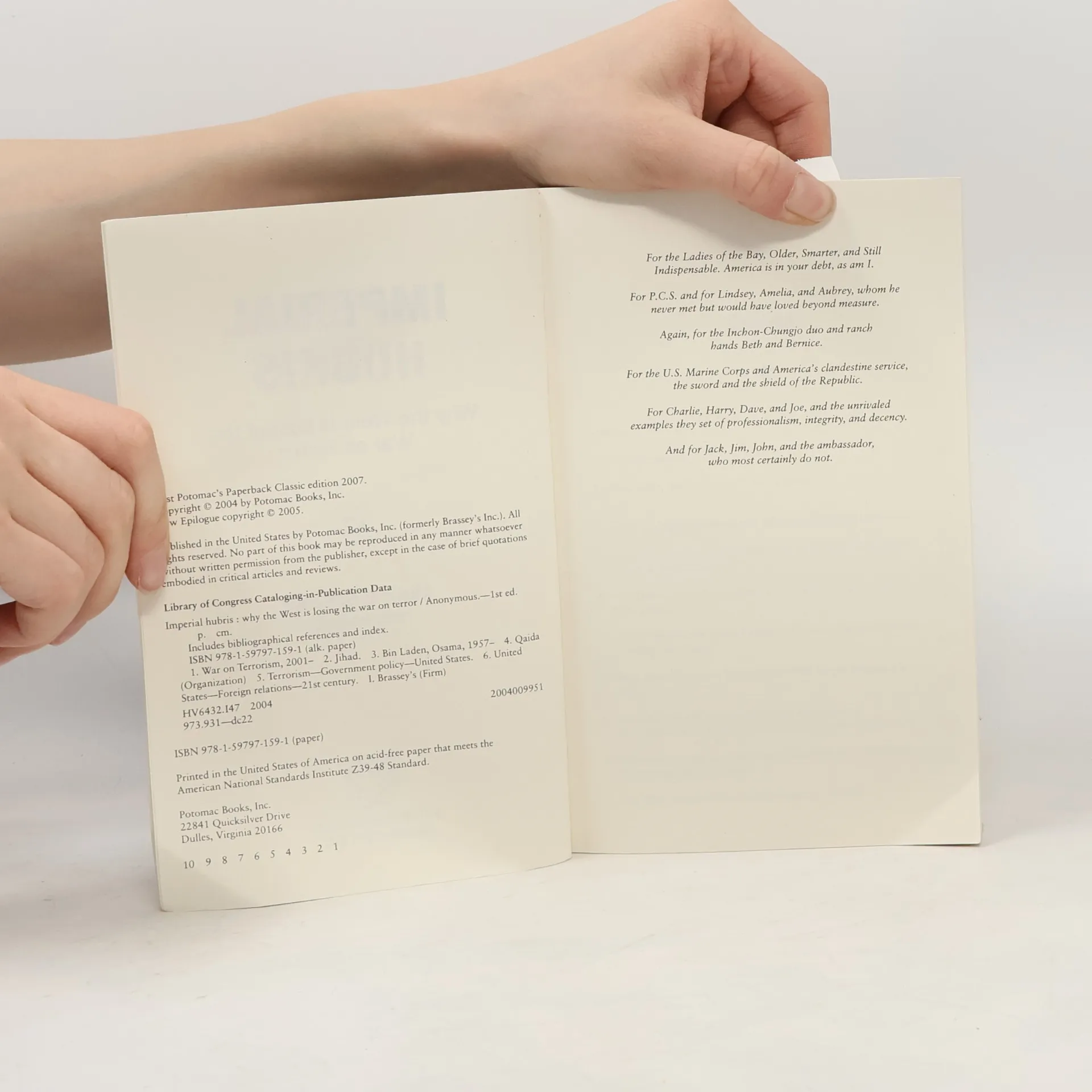
- Potomac Books
- Rok wydania
- 2007
- Oprawa
- miękka
- Liczba stron
- 352
- ISBN10
- 1597971596
- ISBN13
- 9781597971591
- Seria
- Kategorie
- Ocena
- 3,8 z 5
- Opis
- U.S. leaders assert success in combating al Qaeda, yet a member of the intelligence community reveals that we are actually losing the war on terror. The author argues that until leaders acknowledge their misguided approach, our enemies will only gain strength. He emphasizes that the real danger lies in believing, as U.S. officials suggest, that Muslims attack us for our identity and beliefs rather than our actions. Political rhetoric claims that Islamists are offended by Western freedoms and values, but while some aspects may disturb conservative Muslims, no jihadist leader has targeted democracy or coed universities. Instead, discontent stems from specific U.S. policies and their military, political, and economic consequences. Osama bin Laden's strategy capitalizes on this anti-U.S. sentiment, presenting a compelling case that Islam is under siege by America. Al Qaeda's rhetoric condemns U.S. support for corrupt regimes, backing of Israel, and military occupations in Iraq and Afghanistan, framing their grievances as justifications for war. Bin Laden's followers believe their solution lies in conflict, not in dismantling our secular democracy, but in defending their lands, communities, and faith. Unless U.S. leaders recognize this reality and modify their foreign policies, even moderate Muslims may be drawn to bin Laden's cause.