



Więcej o książce
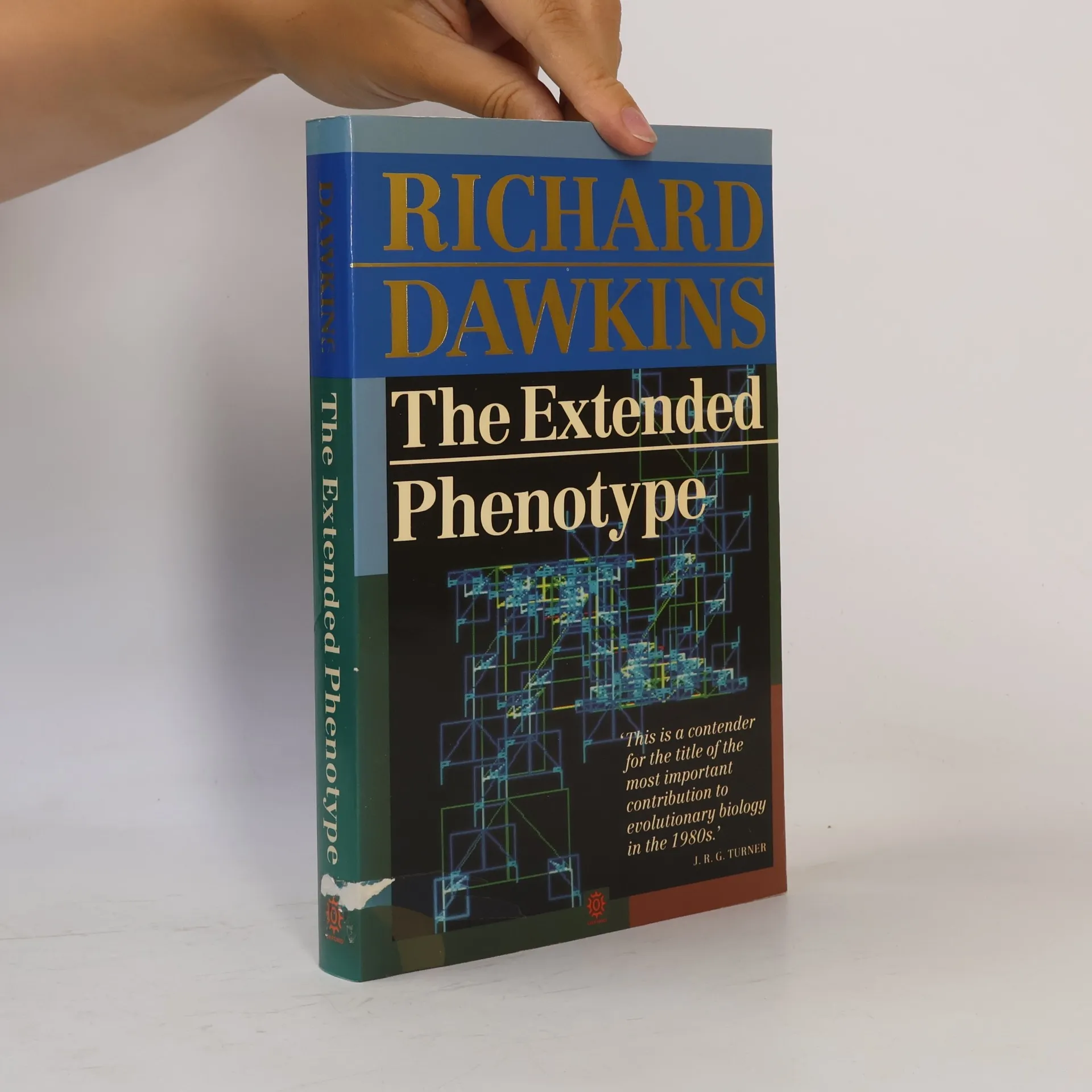
People commonly view evolution as a process of competition between individuals--known as "survival of the fittest"--with the individual representing the "unit of selection." Richard Dawkins offers a controversial reinterpretation of that idea in The Extended Phenotype, now being reissued to coincide with the publication of the second edition of his highly-acclaimed The Selfish Gene. He proposes that we look at evolution as a battle between genes instead of between whole organisms. We can then view Nanges in phenotypes--the end products of genes, like eye color or leaf shape, which are usually considered to increase the fitness of an individual--as serving the evolutionary interests of genes. Dawkins makes a convincing case that considering one's body, personality, and environment as a field of combat in a kind of "arms race" between genes fighting to express themselves on a strand of DNA can clarify and extend the idea of survival of the fittest. This influential and controversial book illuminates the complex world of genetics in an engaging, lively manner.



Zakup książki
The extended phenotype : the long reach of the gene, Richard Dawkins
- Język

- Rok wydania
- 1989
- Oprawa
- (miękka),
- Stan książki
- Dobry
- Cena
- 42,59 zł
Metody płatności
Brakuje nam tutaj Twojej recenzji.
- Tytuł
- The extended phenotype : the long reach of the gene
- Język
- angielski
- Autorzy
- Richard Dawkins
- Wydawca
- Oxford University Press
- Rok wydania
- 1989
- Oprawa
- miękka
- ISBN10
- 0192860887
- ISBN13
- 9780192860880
- Seria
- Pierwsze wydanie
- 1982
- Oryginalna nazwa
- The Extended Phenotype
- Ocena
- 4,1 z 5
- Opis
- People commonly view evolution as a process of competition between individuals--known as "survival of the fittest"--with the individual representing the "unit of selection." Richard Dawkins offers a controversial reinterpretation of that idea in The Extended Phenotype, now being reissued to coincide with the publication of the second edition of his highly-acclaimed The Selfish Gene. He proposes that we look at evolution as a battle between genes instead of between whole organisms. We can then view Nanges in phenotypes--the end products of genes, like eye color or leaf shape, which are usually considered to increase the fitness of an individual--as serving the evolutionary interests of genes. Dawkins makes a convincing case that considering one's body, personality, and environment as a field of combat in a kind of "arms race" between genes fighting to express themselves on a strand of DNA can clarify and extend the idea of survival of the fittest. This influential and controversial book illuminates the complex world of genetics in an engaging, lively manner.