


Więcej o książce
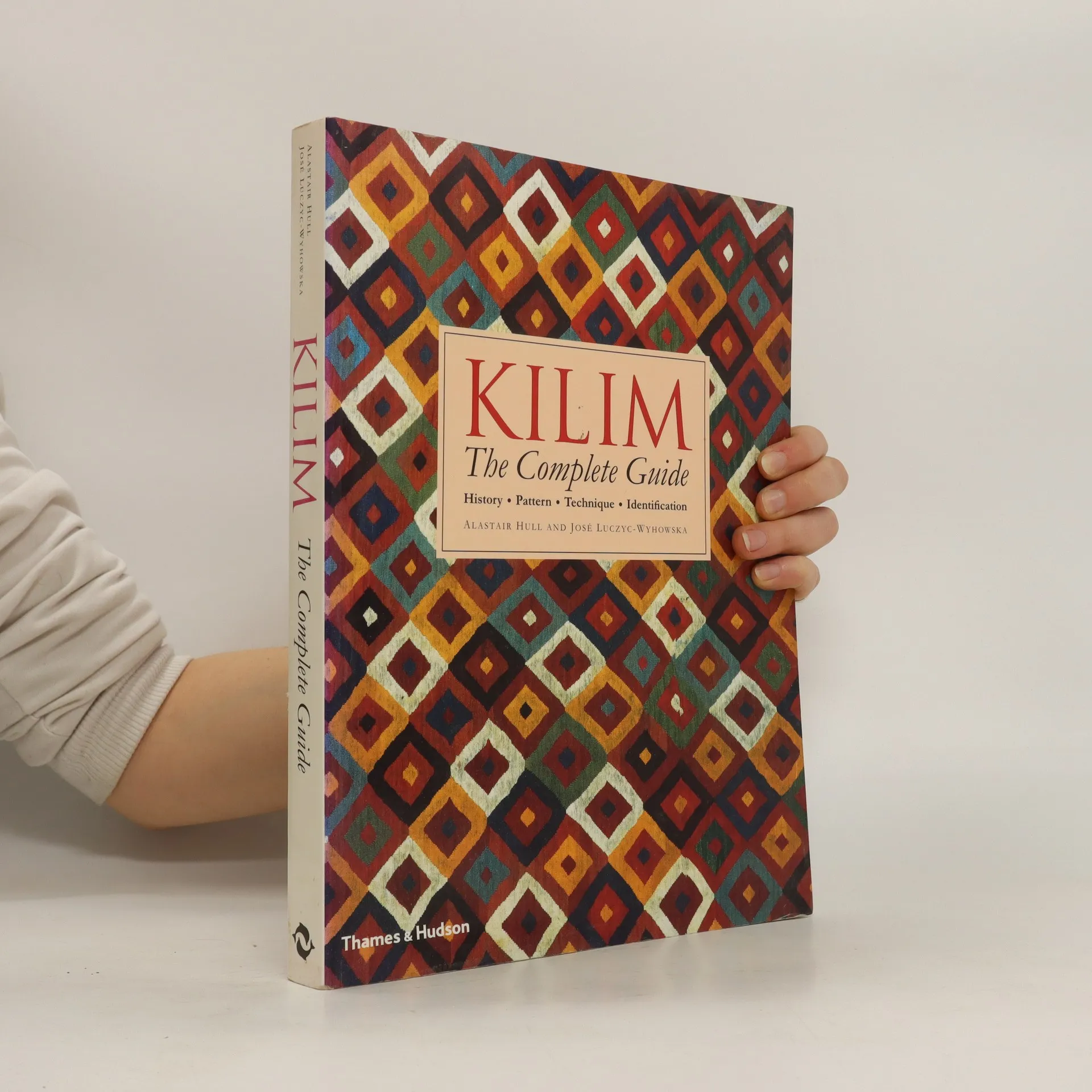
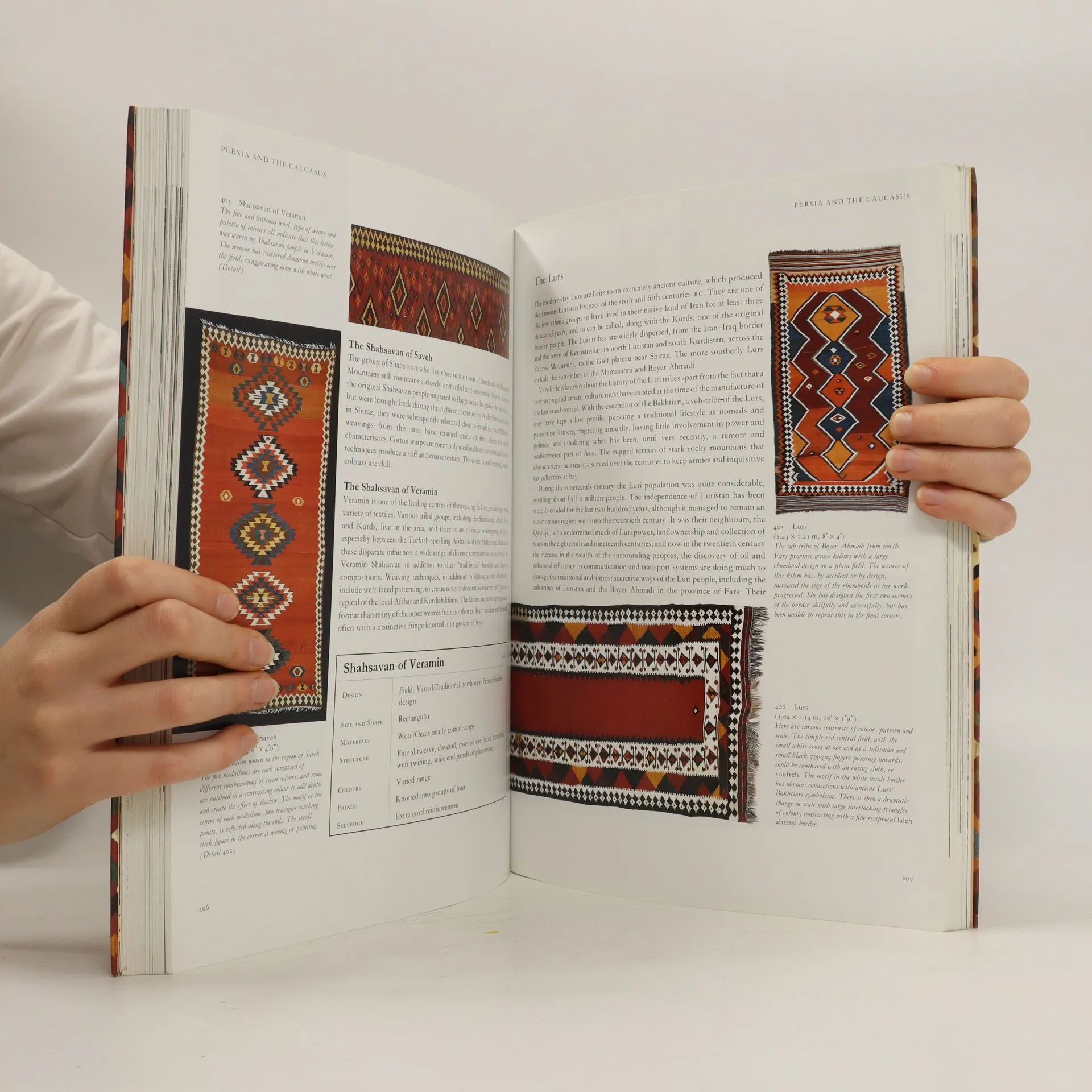
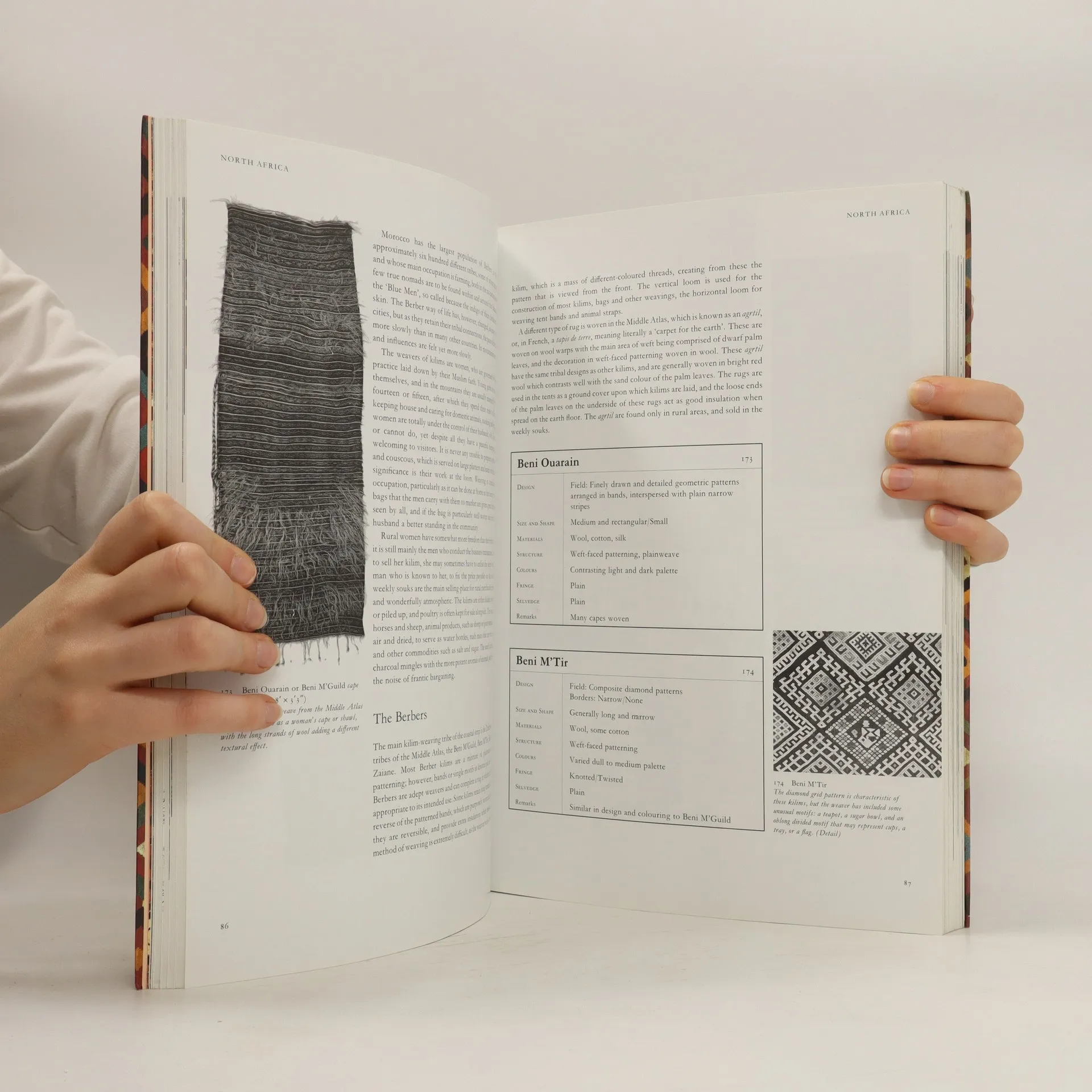
Bold patterns, brilliant colors, diverse decoration, and affordability are key traits that explain the popularity of kilims in the West. Recently, demand has surged, driven by a renewed appreciation for handmade ethnic crafts. This comprehensive survey unravels the origins and history of these unique flatweaves and their makers. Hundreds of illustrations, many in color and specially taken, provide a captivating blend of information and visual allure. A detailed account of techniques covers materials, dyes, tools, kilim structures, and weaving methods, followed by an analysis of motifs and symbolism. The book explores the complex relationship between Islam and earlier animistic or shamanistic traditions, while also addressing the challenges researchers face regarding bazaar lore. It focuses on the specific characteristics of region, tribe, and kilim type, with four major sections documenting kilims from North African countries like Morocco, Algeria, and Tunisia; the significant kilims of Anatolia; the treasures of Persia and the Caucasus; and the creations of Afghan and Central Asian nomads. Additional chapters discuss new kilims and their use as bags and trappings, along with a reference guide for collecting, care, and further study, making this a standard work on a widely appealing subject.


Zakup książki
Kilim: The Complete Guide: History, Pattern, Technique, Identification, Alastair Hull, Jose Luczyc Wyhowska
- Język

- Rok wydania
- 2005
- Oprawa
- (miękka)
Metody płatności
Nikt jeszcze nie ocenił.
- Tytuł
- Kilim: The Complete Guide: History, Pattern, Technique, Identification
- Język
- angielski
- Autorzy
- Alastair Hull, Jose Luczyc Wyhowska
- Wydawca
- Thames & Hudson
- Rok wydania
- 2005
- Oprawa
- miękka
- Liczba stron
- 352
- ISBN10
- 0500282218
- ISBN13
- 9780500282212
- Seria
- Kategorie
- Tagi
- Sztuka
- Opis
- Bold patterns, brilliant colors, diverse decoration, and affordability are key traits that explain the popularity of kilims in the West. Recently, demand has surged, driven by a renewed appreciation for handmade ethnic crafts. This comprehensive survey unravels the origins and history of these unique flatweaves and their makers. Hundreds of illustrations, many in color and specially taken, provide a captivating blend of information and visual allure. A detailed account of techniques covers materials, dyes, tools, kilim structures, and weaving methods, followed by an analysis of motifs and symbolism. The book explores the complex relationship between Islam and earlier animistic or shamanistic traditions, while also addressing the challenges researchers face regarding bazaar lore. It focuses on the specific characteristics of region, tribe, and kilim type, with four major sections documenting kilims from North African countries like Morocco, Algeria, and Tunisia; the significant kilims of Anatolia; the treasures of Persia and the Caucasus; and the creations of Afghan and Central Asian nomads. Additional chapters discuss new kilims and their use as bags and trappings, along with a reference guide for collecting, care, and further study, making this a standard work on a widely appealing subject.