

Więcej o książce
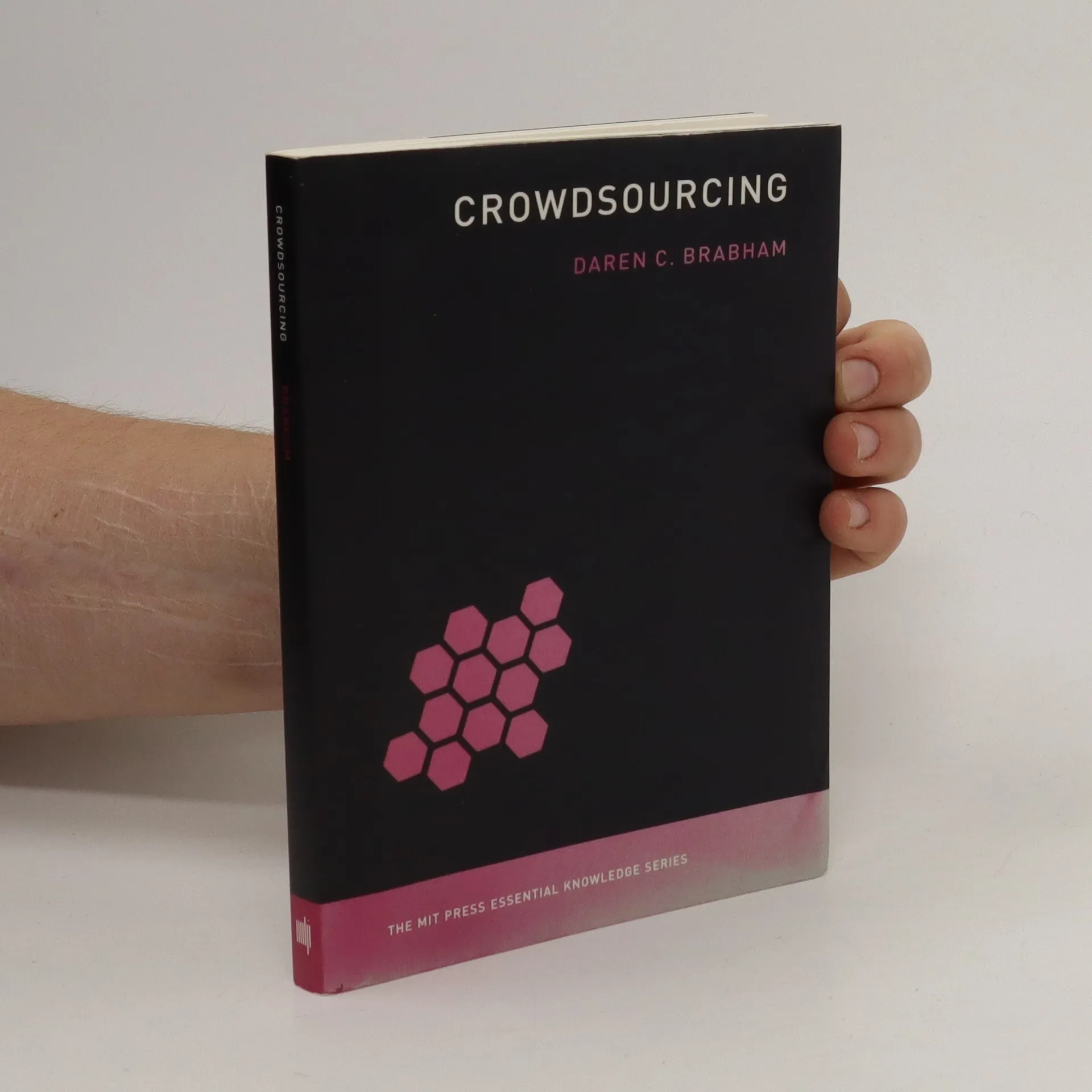
Since the term "crowdsourcing" was coined in 2006 by Wired writer Jeff Howe, various group activities have been labeled with this buzzword. In this accessible yet authoritative account, Daren Brabham explains what crowdsourcing is, how it works, and what it is not. He defines crowdsourcing as an online, distributed problem-solving model that utilizes the collective intelligence of online communities for specific goals set by organizations—corporate, government, or volunteer. This model uniquely blends a bottom-up, open, creative process with top-down organizational objectives. It differs from open source production, market research surveys, and pre-digital collaborative processes, which lacked the Internet's speed, reach, and accessibility. Brabham explores the intellectual roots of crowdsourcing in concepts like collective intelligence and distributed computing. He addresses key issues such as crowd motivation, misconceptions about amateur participants, crowdfunding, and the risks of "crowdsploitation" of volunteer labor, citing examples from organizations like Threadless and InnoCentive. Additionally, he discusses the future of crowdsourcing in theory and practice, examining its potential roles in journalism, governance, national security, and science and health.


Zakup książki
Crowdsourcing, Daren C. Brabham
- Język

- Rok wydania
- 2013
- Oprawa
- (miękka)
Metody płatności
Brakuje nam tutaj Twojej recenzji.
- Tytuł
- Crowdsourcing
- Język
- angielski
- Autorzy
- Daren C. Brabham
- Wydawca
- MIT Press
- Rok wydania
- 2013
- Oprawa
- miękka
- ISBN10
- 0262518473
- ISBN13
- 9780262518475
- Seria
- Tagi
- Biznes, Technologia
- Ocena
- 3,5 z 5
- Opis
- Since the term "crowdsourcing" was coined in 2006 by Wired writer Jeff Howe, various group activities have been labeled with this buzzword. In this accessible yet authoritative account, Daren Brabham explains what crowdsourcing is, how it works, and what it is not. He defines crowdsourcing as an online, distributed problem-solving model that utilizes the collective intelligence of online communities for specific goals set by organizations—corporate, government, or volunteer. This model uniquely blends a bottom-up, open, creative process with top-down organizational objectives. It differs from open source production, market research surveys, and pre-digital collaborative processes, which lacked the Internet's speed, reach, and accessibility. Brabham explores the intellectual roots of crowdsourcing in concepts like collective intelligence and distributed computing. He addresses key issues such as crowd motivation, misconceptions about amateur participants, crowdfunding, and the risks of "crowdsploitation" of volunteer labor, citing examples from organizations like Threadless and InnoCentive. Additionally, he discusses the future of crowdsourcing in theory and practice, examining its potential roles in journalism, governance, national security, and science and health.