

Więcej o książce
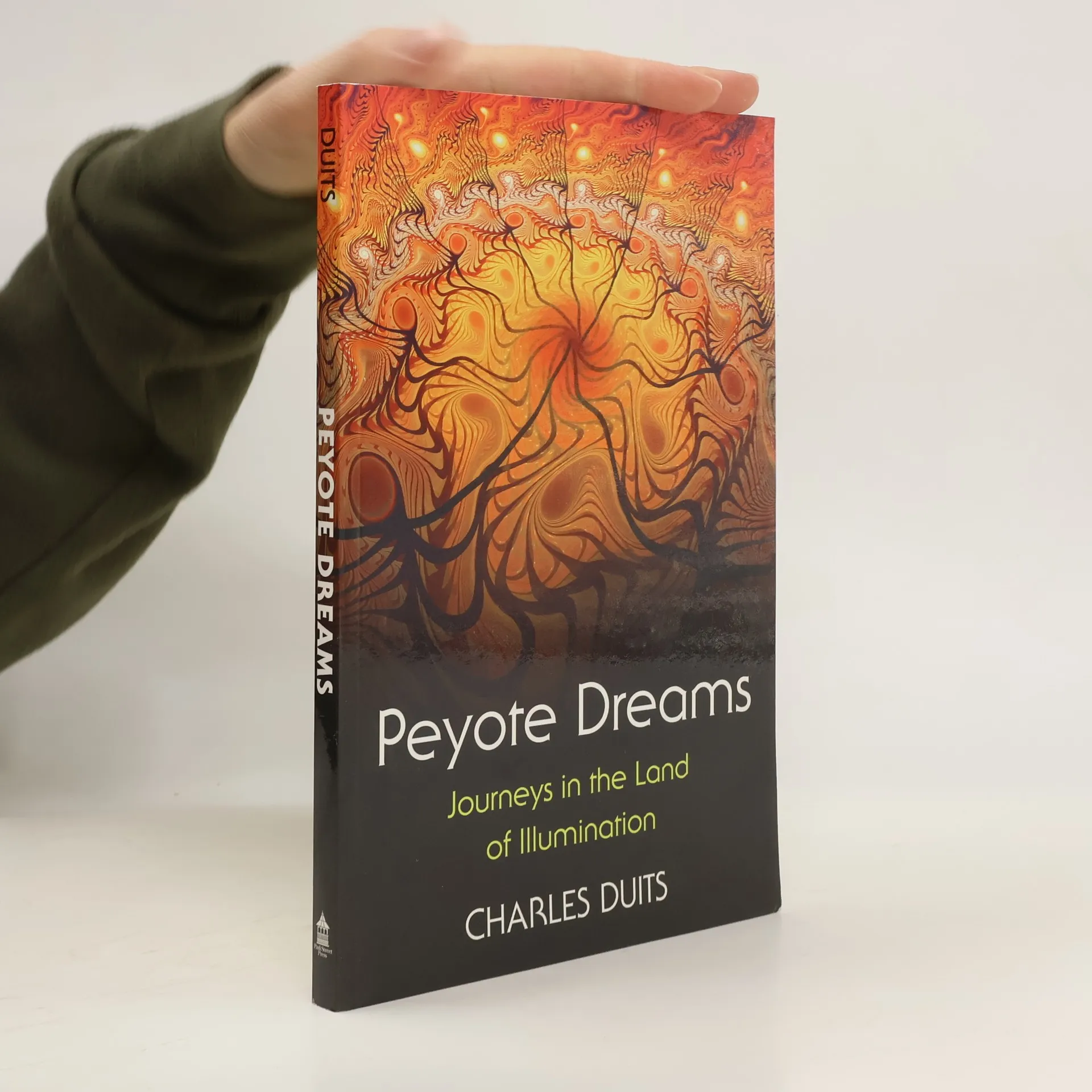
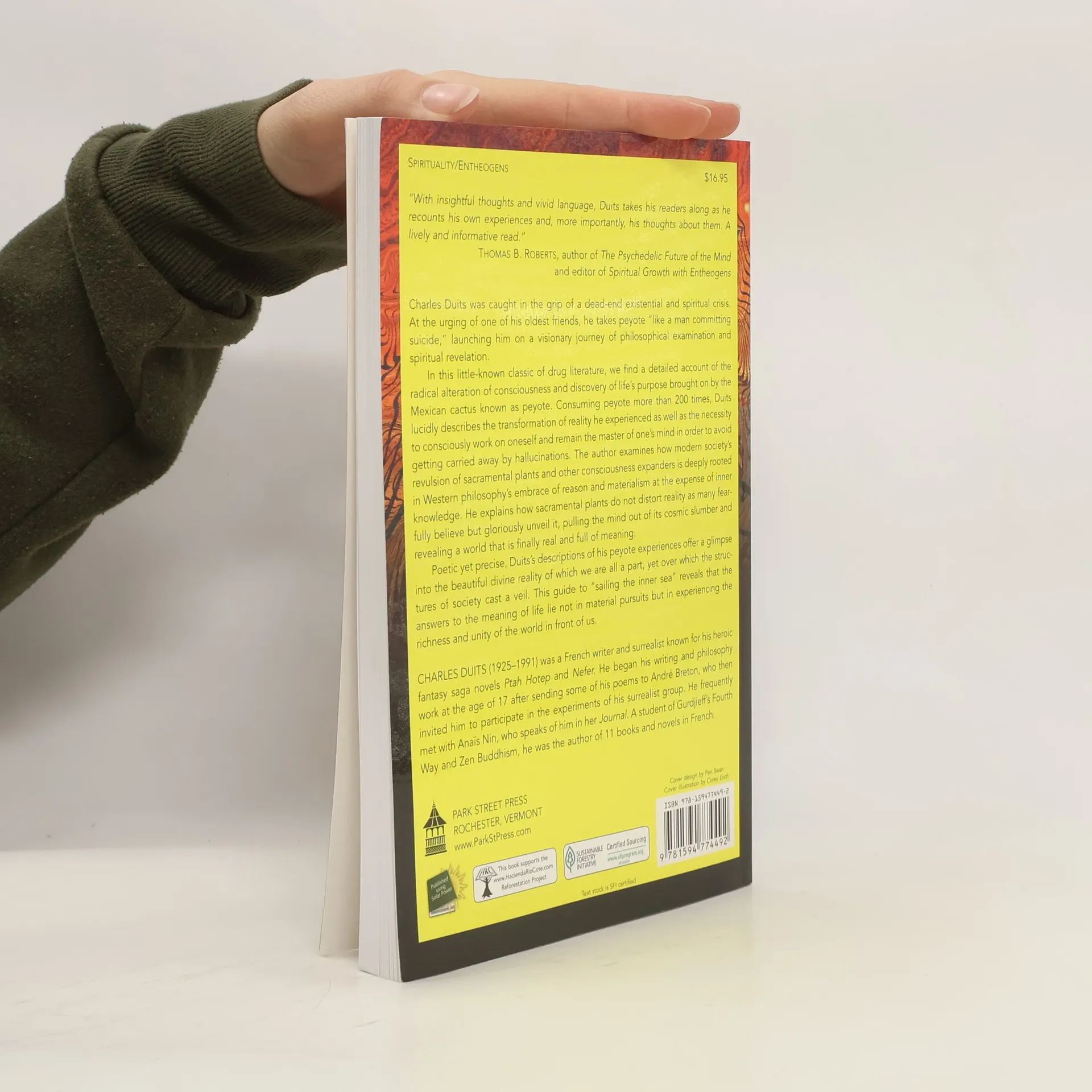
In this book, Charles Duits explores his experiences with peyote and emphasizes the significance of language in shaping our relationship with the world. According to Duits, reason creates a barrier between reality and our perception; words can never fully capture the truth. Peyote fulfills the promise of language by allowing us to merge with a world where everything is unique yet universal. Death transforms from an abyss into a night, a feminine goddess who embraces us at the end of life. However, Duits does not focus solely on the beneficial effects of peyote. It shatters our perceptions and brings revelations, confronting us with the absurdity of the human condition and the anxiety stemming from our alienated relationship with nature. The tragedies associated with psychotropic drugs arise from the inability to face what the drug reveals, often with a brutality for which we are unprepared. It is not the drug itself that is harmful, but the shock of reality it uncovers. Only through prolonged learning can we learn to control its effects. Duits's book is more than an essay on peyote; it is a narrative of a student describing the forces of a master and the obstacles on the path to enlightenment, framed by two stories that illustrate the altered relationship with the world revealed by peyote.

Zakup książki
Peyote Dreams, Charles Duits
- Język

- Rok wydania
- 2013
- Oprawa
- (miękka)
Metody płatności
Brakuje nam tutaj Twojej recenzji.
- Tytuł
- Peyote Dreams
- Język
- angielski
- Autorzy
- Charles Duits
- Wydawca
- Park Street Press
- Rok wydania
- 2013
- Oprawa
- miękka
- Liczba stron
- 153
- ISBN10
- 1594774498
- ISBN13
- 9781594774492
- Seria
- Kategorie
- Tagi
- Pierwsze wydanie
- 1967
- Oryginalna nazwa
- Le Pays de l’Éclairement
- Ocena
- 3,55 z 5
- Opis
- In this book, Charles Duits explores his experiences with peyote and emphasizes the significance of language in shaping our relationship with the world. According to Duits, reason creates a barrier between reality and our perception; words can never fully capture the truth. Peyote fulfills the promise of language by allowing us to merge with a world where everything is unique yet universal. Death transforms from an abyss into a night, a feminine goddess who embraces us at the end of life. However, Duits does not focus solely on the beneficial effects of peyote. It shatters our perceptions and brings revelations, confronting us with the absurdity of the human condition and the anxiety stemming from our alienated relationship with nature. The tragedies associated with psychotropic drugs arise from the inability to face what the drug reveals, often with a brutality for which we are unprepared. It is not the drug itself that is harmful, but the shock of reality it uncovers. Only through prolonged learning can we learn to control its effects. Duits's book is more than an essay on peyote; it is a narrative of a student describing the forces of a master and the obstacles on the path to enlightenment, framed by two stories that illustrate the altered relationship with the world revealed by peyote.