


Więcej o książce
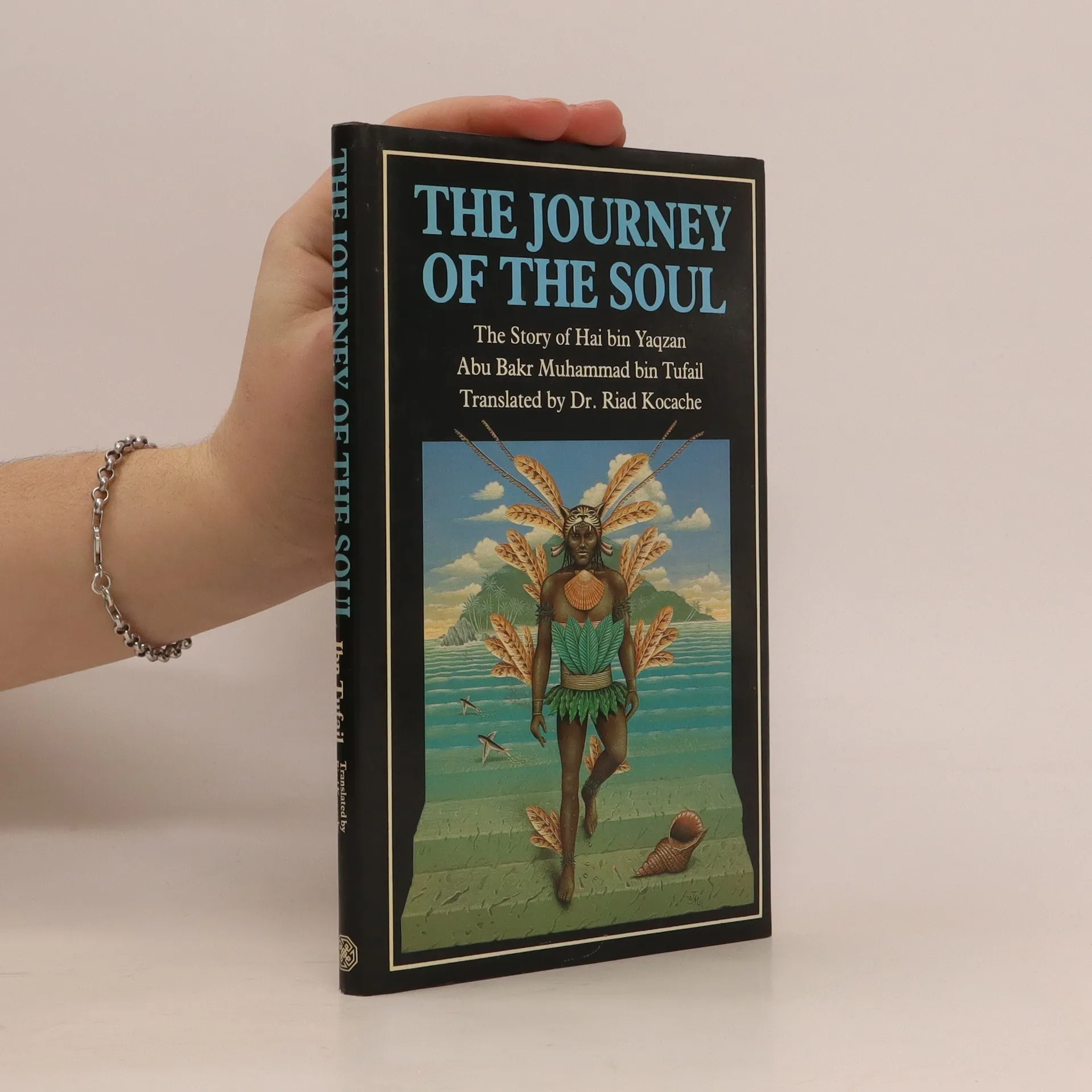
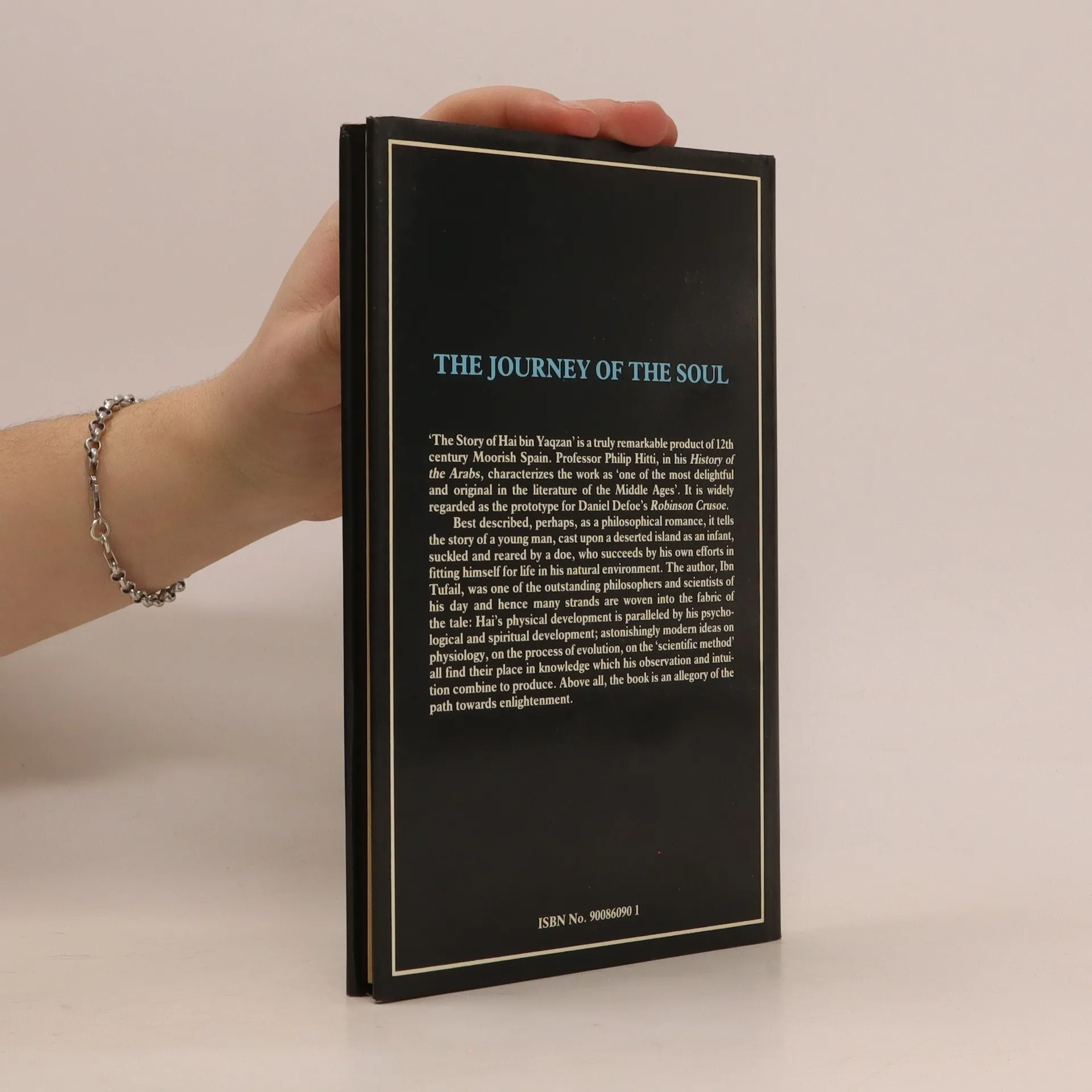
The Story of Hai bin Yaqzan is a truly remarkable product of 12th-century Moorish Spain. It is widely regarded as the prototype for Daniel Defoe's Robinson Crusoe. Best described, perhaps, as a philosophical romance, it tells the story of a young man, cast upon a deserted island as an infant, suckled and reared by a doe, who succeeds by his own efforts in fitting himself for life in his natural environment. The author, bin Tufail, was one of the outstanding philosophers and scientists of his day, and hence many strands are woven into the fabric of the tale. Hai's physical development is paralleled by his psychological and spiritual development; astonishingly modern ideas on physiology, on the process of evolution, on the "scientific method," all find their place in knowledge which his observation and intuition combine to produce. Above all, the book is an allegory of the path towards enlightenment.


Zakup książki
The Journey of the Soul, Muḥammad Ibn-ʿAbd-al-Malik Ibn-Ṭufail
- Język

- Rok wydania
- 1982
- Oprawa
- (twarda)
Metody płatności
Brakuje nam tutaj Twojej recenzji.
- Tytuł
- The Journey of the Soul
- Język
- angielski
- Wydawca
- Octagon Press
- Rok wydania
- 1982
- Oprawa
- twarda
- Liczba stron
- 62
- ISBN10
- 0900860901
- ISBN13
- 9780900860904
- Seria
- Oryginalna nazwa
- Risālat Ḥaiy Ibn-Yaqẓān
- Ocena
- 4,15 z 5
- Opis
- The Story of Hai bin Yaqzan is a truly remarkable product of 12th-century Moorish Spain. It is widely regarded as the prototype for Daniel Defoe's Robinson Crusoe. Best described, perhaps, as a philosophical romance, it tells the story of a young man, cast upon a deserted island as an infant, suckled and reared by a doe, who succeeds by his own efforts in fitting himself for life in his natural environment. The author, bin Tufail, was one of the outstanding philosophers and scientists of his day, and hence many strands are woven into the fabric of the tale. Hai's physical development is paralleled by his psychological and spiritual development; astonishingly modern ideas on physiology, on the process of evolution, on the "scientific method," all find their place in knowledge which his observation and intuition combine to produce. Above all, the book is an allegory of the path towards enlightenment.