

Więcej o książce
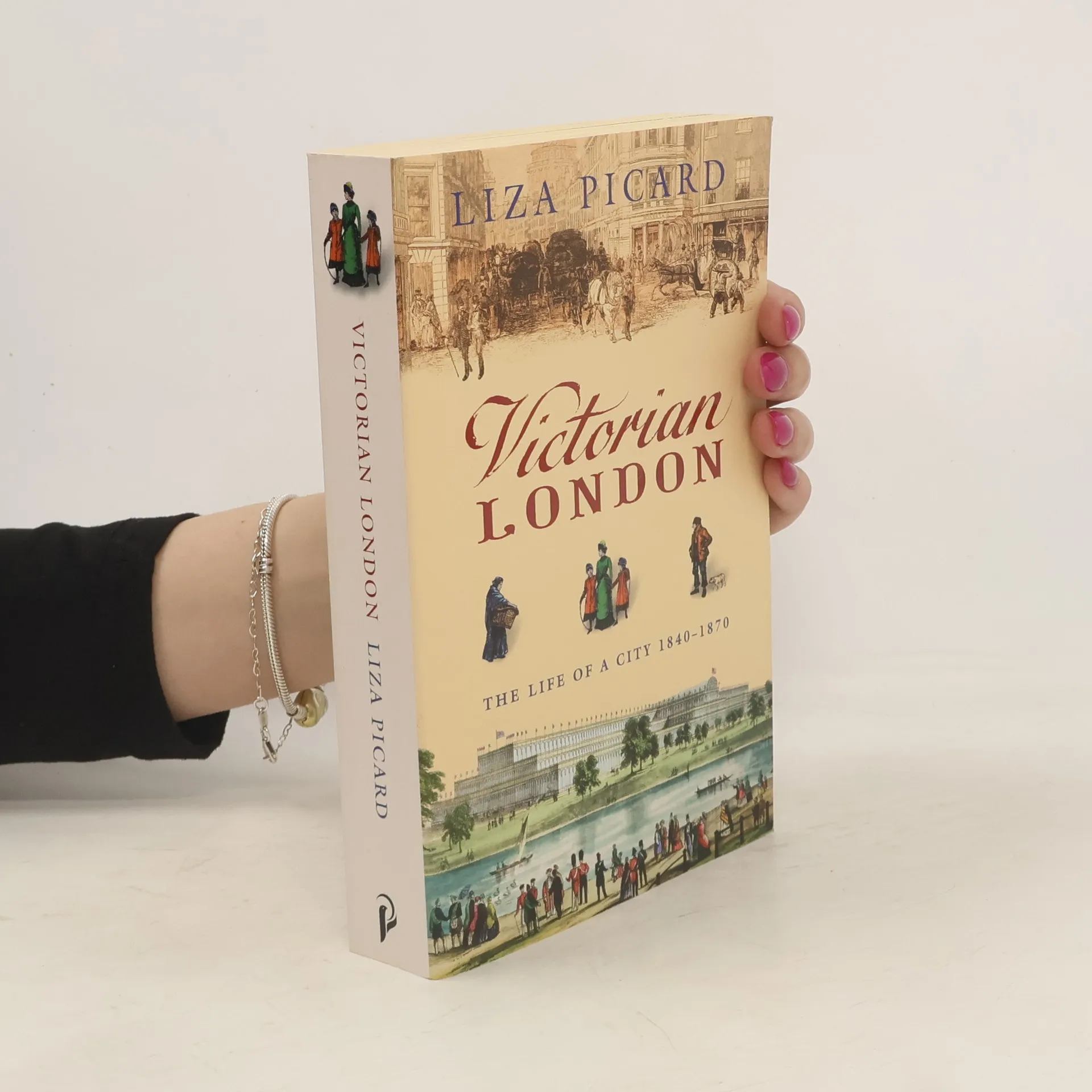
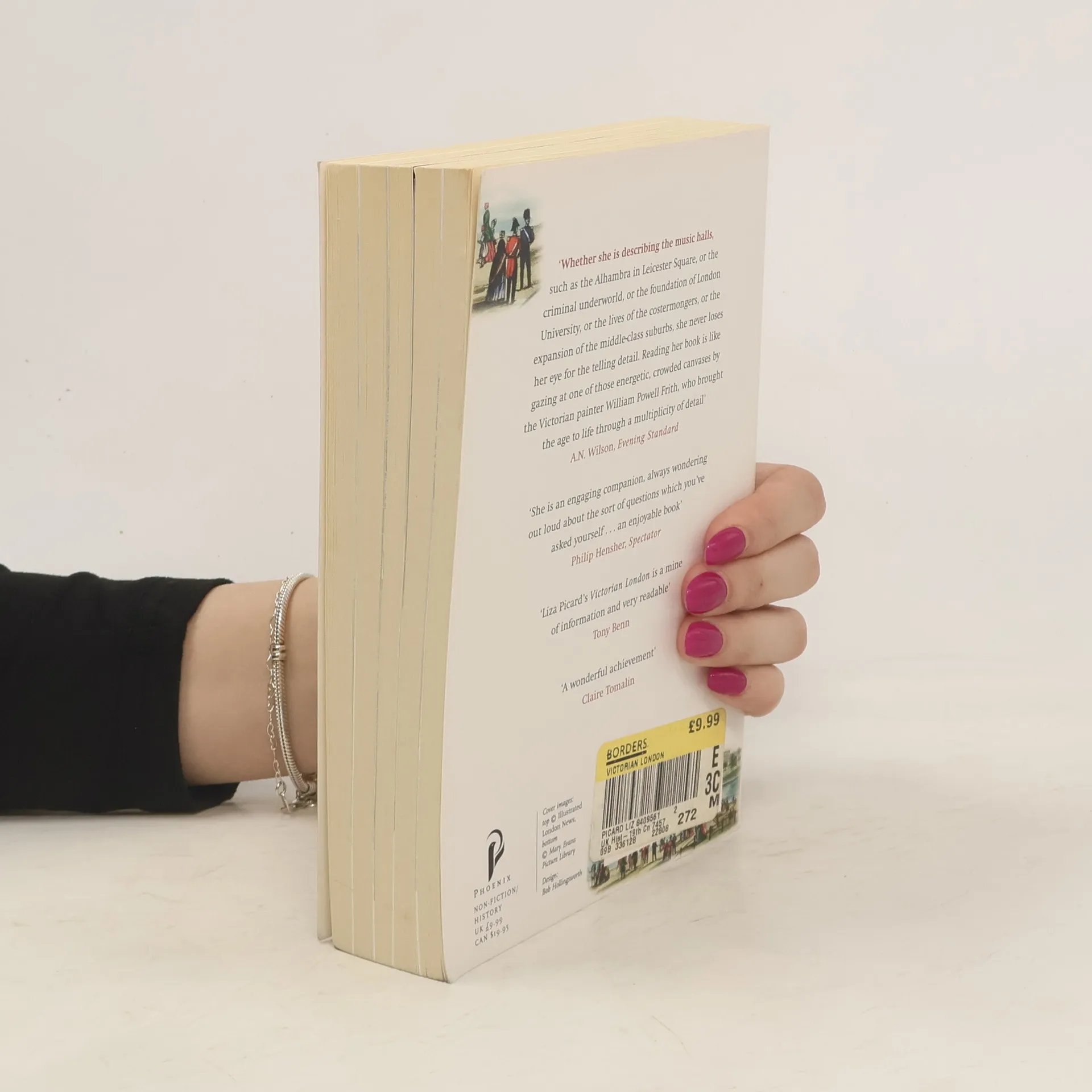
Like her previous books, this book is the product of the author's passionate interest in the realities of everyday life - and the conditions in which most people lived - so often left out of history books. This period of mid Victorian London covers a huge span: Victoria's wedding and the place of the royals in popular esteem; how the very poor lived, the underworld, prostitution, crime, prisons and transportation; the public utilities - Bazalgette on sewers and road design, Chadwick on pollution and sanitation; private charities - Peabody, Burdett Coutts - and workhouses; new terraced housing and transport, trains, omnibuses and the Underground; furniture and decor; families and the position of women; the prosperous middle classes and their new shops, e.g. Peter Jones, Harrods; entertaining and servants, food and drink; unlimited liability and bankruptcy; the rich, the marriage market, taxes and anti-semitism; the Empire, recruitment and press-gangs. The period begins with the closing of the Fleet and Marshalsea prisons and ends with the first (steam-operated) Underground trains and the first Gilbert & Sullivan. All the splendours and horrors of Victorian life will be vividly recalled.
Wydanie


Zakup książki
Victorian London, Liza Picard
- Język

- Rok wydania
- Oprawa
- (miękka)
Metody płatności
Brakuje nam tutaj Twojej recenzji.
- Tytuł
- Victorian London
- Podtytuł
- The Life of a City 1840-1870
- Język
- angielski
- Autorzy
- Liza Picard
- Wydawca
- Phoenix
- Oprawa
- miękka
- Seria
- Ocena
- 4 z 5
- Opis
- Like her previous books, this book is the product of the author's passionate interest in the realities of everyday life - and the conditions in which most people lived - so often left out of history books. This period of mid Victorian London covers a huge span: Victoria's wedding and the place of the royals in popular esteem; how the very poor lived, the underworld, prostitution, crime, prisons and transportation; the public utilities - Bazalgette on sewers and road design, Chadwick on pollution and sanitation; private charities - Peabody, Burdett Coutts - and workhouses; new terraced housing and transport, trains, omnibuses and the Underground; furniture and decor; families and the position of women; the prosperous middle classes and their new shops, e.g. Peter Jones, Harrods; entertaining and servants, food and drink; unlimited liability and bankruptcy; the rich, the marriage market, taxes and anti-semitism; the Empire, recruitment and press-gangs. The period begins with the closing of the Fleet and Marshalsea prisons and ends with the first (steam-operated) Underground trains and the first Gilbert & Sullivan. All the splendours and horrors of Victorian life will be vividly recalled.