




Parametry
- 619 stron
- 22 godziny czytania
Więcej o książce
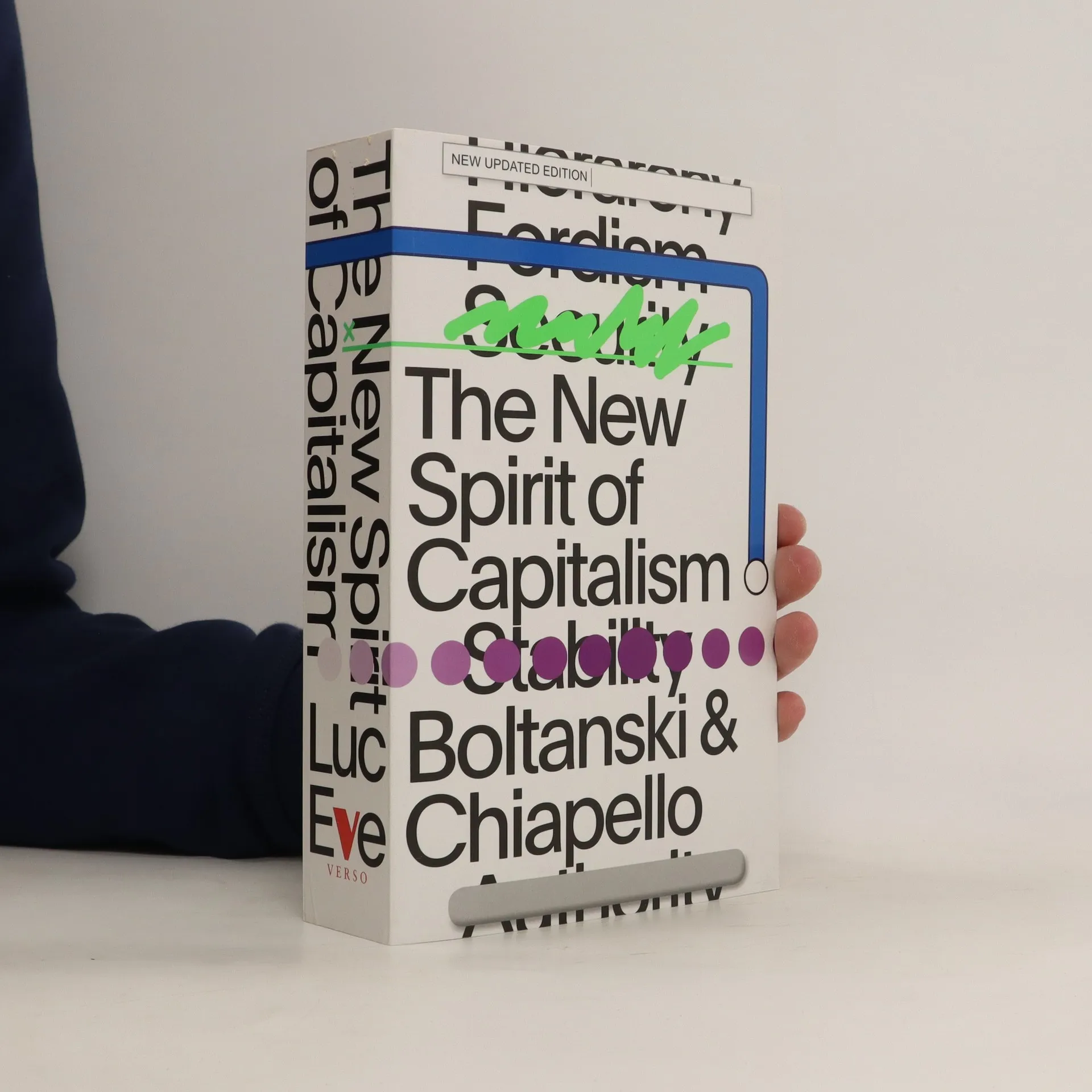
New edition of this major work examining the development of neoliberalism In this established classic, sociologists Luc Boltanski and Eve Chiapello get to the heart of contemporary capitalism. Delving deep into the latest management texts informing the thinking of employers, the authors trace the contours of a new spirit of capitalism. They argue that beginning in the mid-1970s, capitalism abandoned the hierarchical Fordist work structure and developed a new network-based form of organization founded on employee initiative and autonomy in the workplace—a putative freedom bought at the cost of material and psychological security. This was a spirit in tune with the libertarian and romantic currents of the period (as epitomized by dressed-down, cool capitalists such as Bill Gates and Ben and Jerry) and, as the authors argue, a more successful, pernicious, and subtle form of exploitation. In this new edition, the authors reflect on the reception of the book and the debates it has stimulated.


Zakup książki
The new spirit of capitalism, Eve Chiapello, Luc Boltanski
- Język

- Rok wydania
- 2018
- Oprawa
- (miękka)
Metody płatności
Brakuje nam tutaj Twojej recenzji.
- Tytuł
- The new spirit of capitalism
- Język
- angielski
- Autorzy
- Eve Chiapello, Luc Boltanski
- Wydawca
- Verso Books
- Rok wydania
- 2018
- Oprawa
- miękka
- Liczba stron
- 619
- ISBN10
- 1786633256
- ISBN13
- 9781786633255
- Seria
- Kategorie
- Tagi
- Tematy historyczne, Biznes, Tematyka filozoficzna, Polityka, Prezenty dla dziadka, Teorie naukowe
- Ocena
- 4,05 z 5
- Opis
- New edition of this major work examining the development of neoliberalism In this established classic, sociologists Luc Boltanski and Eve Chiapello get to the heart of contemporary capitalism. Delving deep into the latest management texts informing the thinking of employers, the authors trace the contours of a new spirit of capitalism. They argue that beginning in the mid-1970s, capitalism abandoned the hierarchical Fordist work structure and developed a new network-based form of organization founded on employee initiative and autonomy in the workplace—a putative freedom bought at the cost of material and psychological security. This was a spirit in tune with the libertarian and romantic currents of the period (as epitomized by dressed-down, cool capitalists such as Bill Gates and Ben and Jerry) and, as the authors argue, a more successful, pernicious, and subtle form of exploitation. In this new edition, the authors reflect on the reception of the book and the debates it has stimulated.