

Więcej o książce
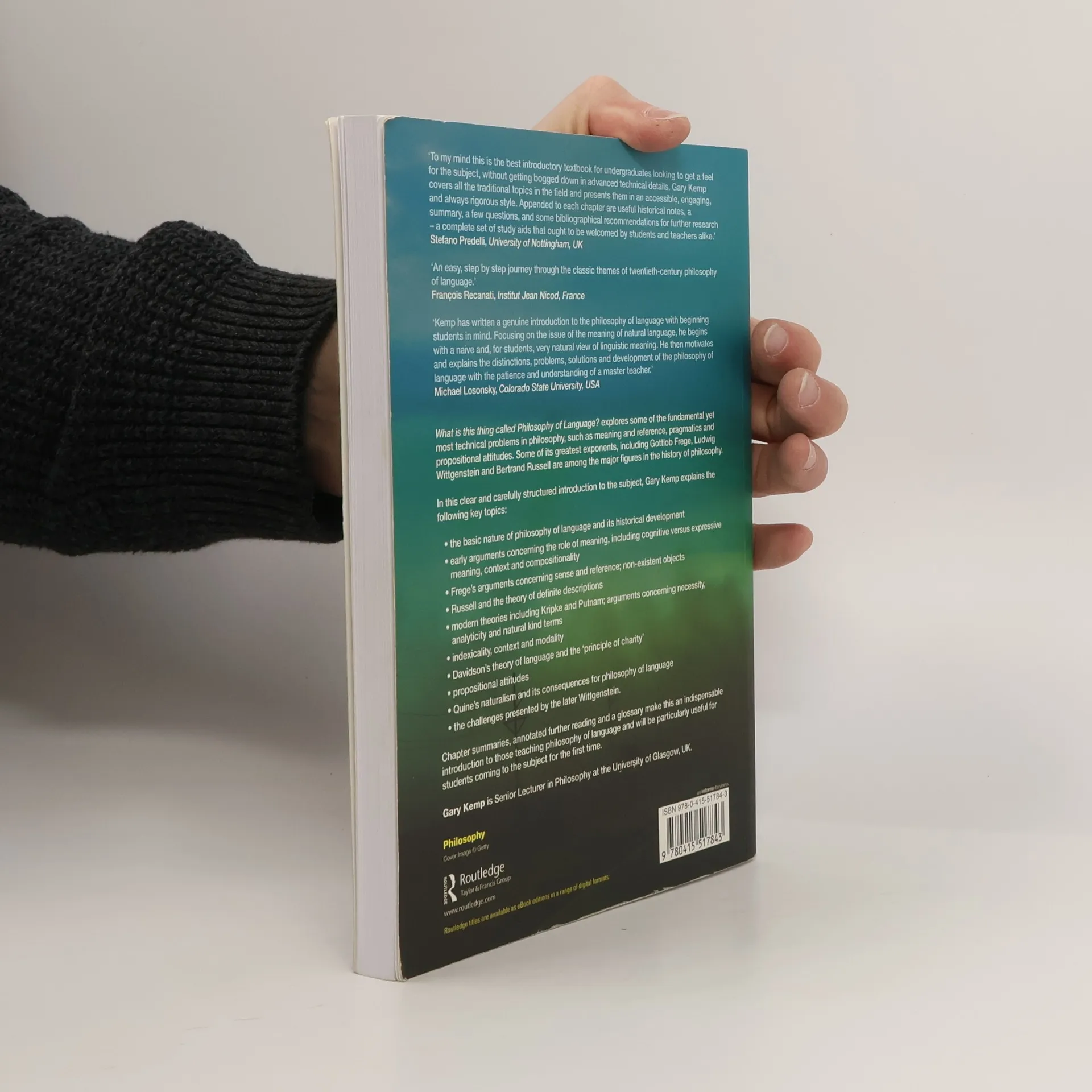
Philosophy of language explores some of the fundamental yet most technical problems in philosophy, such as meaning and reference, semantics, and propositional attitudes. Some of its greatest exponents, including Gottlob Frege, Ludwig Wittgenstein and Bertrand Russell are amongst the major figures in the history of philosophy. In this clear and carefully structured introduction to the subject Gary Kemp explains the following key topics: the basic nature of philosophy of language and its historical development early arguments concerning the role of meaning, including cognitive meaning vs expressivism, context and compositionality Frege's arguments concerning sense and reference; non-existent objects Russell and the theory of definite descriptions modern theories including Kripke and Putnam; arguments concerning necessity, analyticity and natural kind terms indexicality, context and modality. What are indexicals? Davidson's theory of language and the 'principle of charity' propositional attitudes Quine's naturalism and its consequences for philosophy of language. Chapter summaries, annotated further reading and a glossary make this an indispensable introduction to those teaching philosophy of language and will be particularly useful for students coming to the subject for the first time.


Zakup książki
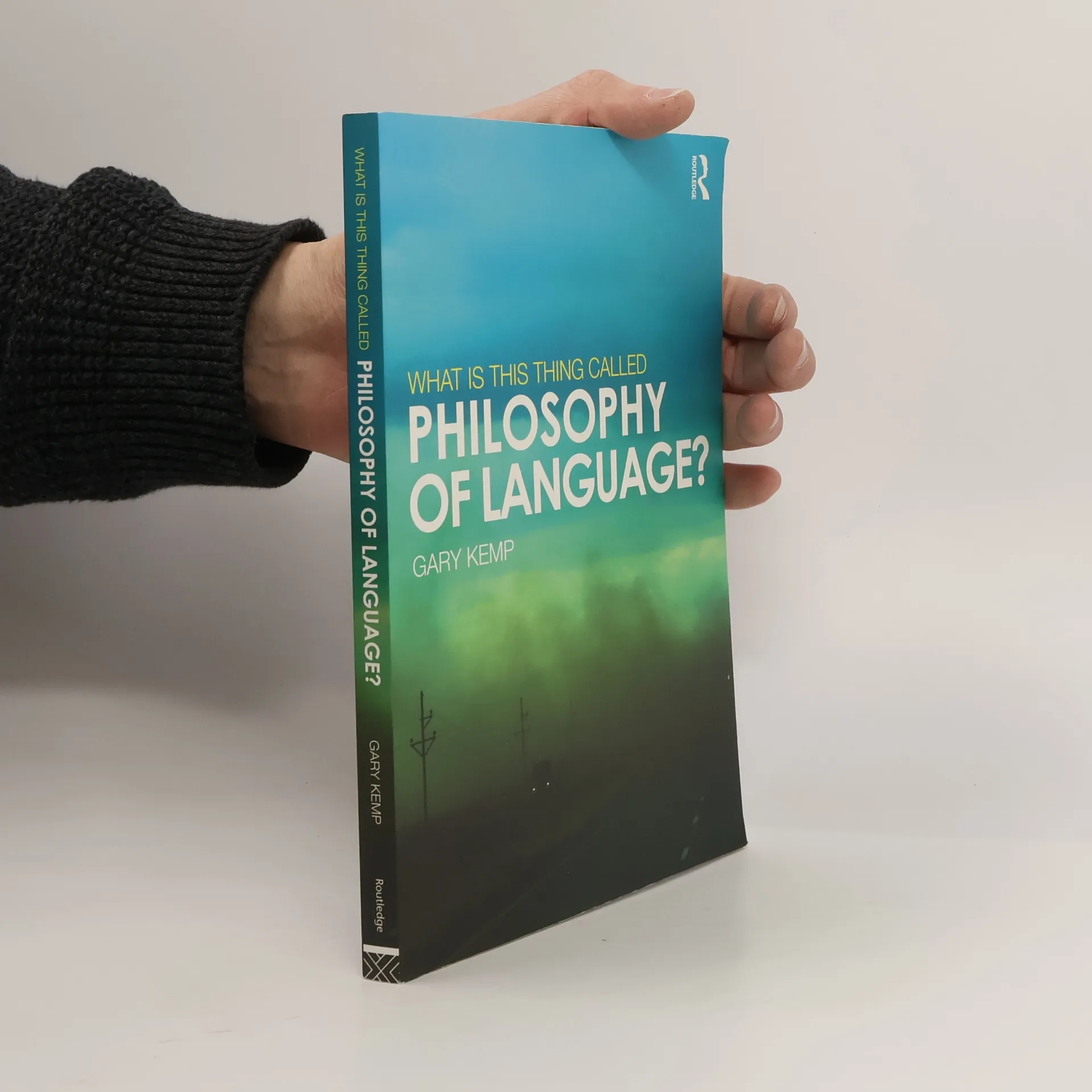
What is This Thing Called Philosophy of Language?, Gary Kemp
- Język

- Rok wydania
- 2013
- Oprawa
- (miękka)
Metody płatności
Brakuje nam tutaj Twojej recenzji.
- Tytuł
- What is This Thing Called Philosophy of Language?
- Język
- angielski
- Autorzy
- Gary Kemp
- Wydawca
- Routledge
- Rok wydania
- 2013
- Oprawa
- miękka
- Liczba stron
- 191
- ISBN10
- 0415517842
- ISBN13
- 9780415517843
- Seria
- Kategorie
- Ocena
- 4,3 z 5
- Opis
- Philosophy of language explores some of the fundamental yet most technical problems in philosophy, such as meaning and reference, semantics, and propositional attitudes. Some of its greatest exponents, including Gottlob Frege, Ludwig Wittgenstein and Bertrand Russell are amongst the major figures in the history of philosophy. In this clear and carefully structured introduction to the subject Gary Kemp explains the following key topics: the basic nature of philosophy of language and its historical development early arguments concerning the role of meaning, including cognitive meaning vs expressivism, context and compositionality Frege's arguments concerning sense and reference; non-existent objects Russell and the theory of definite descriptions modern theories including Kripke and Putnam; arguments concerning necessity, analyticity and natural kind terms indexicality, context and modality. What are indexicals? Davidson's theory of language and the 'principle of charity' propositional attitudes Quine's naturalism and its consequences for philosophy of language. Chapter summaries, annotated further reading and a glossary make this an indispensable introduction to those teaching philosophy of language and will be particularly useful for students coming to the subject for the first time.