

Więcej o książce
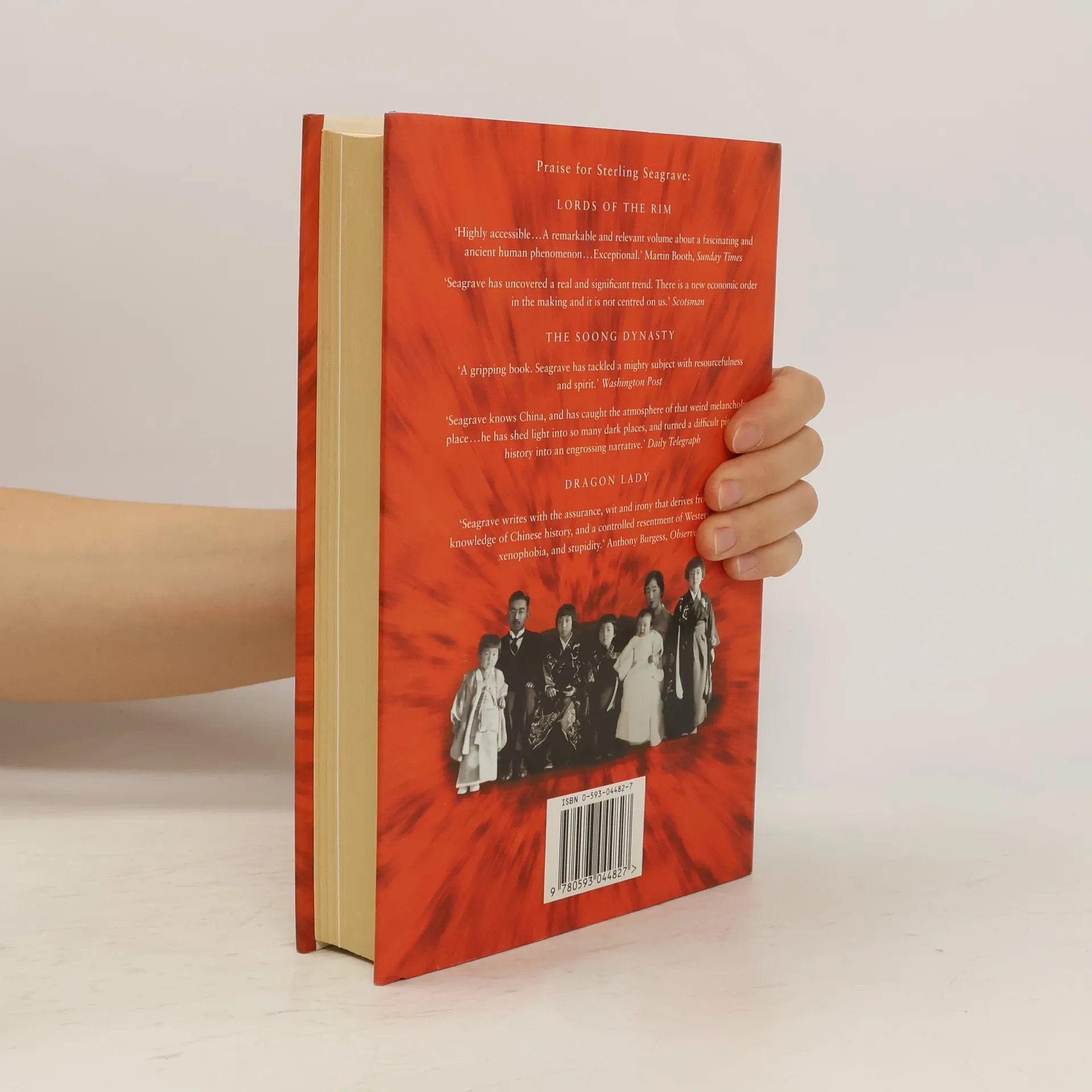
Most Westerners know little about Japan's current imperial family, and the same is true for many Japanese. Japan's modern history has been largely omitted from postwar textbooks, leaving a generation unaware of significant events like the Rape of Nanking, Pearl Harbor, and the atrocities of World War II. The prevailing narrative focuses on Hiroshima and Nagasaki as symbols of Japan's innocence. Sterling and Peggy Seagrave challenge these misconceptions, revealing the corruption at the core of Japan's postwar economic success. They argue that the royal family, often seen as a relic of the past, played a crucial role in wartime atrocities. Prince Chichibu orchestrated Golden Lily, the systematic looting of occupied territories, while Prince Yasuhiko was involved in the Rape of Nanking. Emperor Hirohito was deeply engaged during the war, capable of preventing Pearl Harbor. The imperial family profited alongside the zaibatsu, the corporate elite, while the nation suffered. This lack of historical acknowledgment stems not only from Japanese revisionism but also from the West's failure to prosecute some members of the imperial family as war criminals despite having the evidence. The Seagraves' work offers a challenging perspective that forces readers to confront uncomfortable truths.


Zakup książki
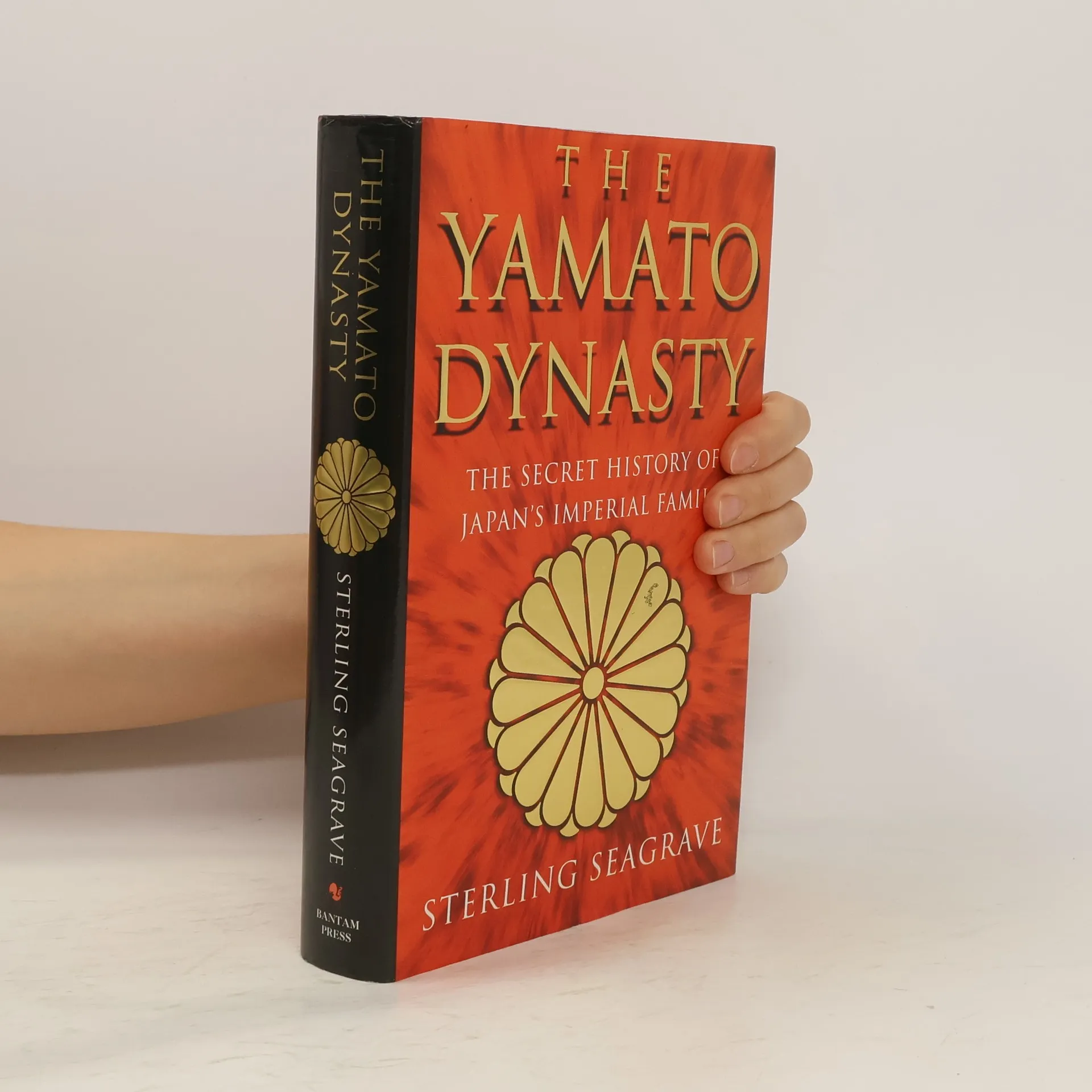
The Yamato Dynasty, Sterling Seagrave
- Język

- Rok wydania
- 1999
- Oprawa
- (twarda)
Metody płatności
Brakuje nam tutaj Twojej recenzji.
- Tytuł
- The Yamato Dynasty
- Podtytuł
- The Secret History of Japan's Imperial Family
- Język
- angielski
- Autorzy
- Sterling Seagrave
- Wydawca
- Bantam Press
- Rok wydania
- 1999
- Oprawa
- twarda
- Liczba stron
- 394
- ISBN10
- 0593044827
- ISBN13
- 9780593044827
- Seria
- Tagi
- Tematy historyczne, Podręczniki, Japonia, Azja, Podręczniki do historii, Literatura japońska, Historia Japonii
- Ocena
- 3,75 z 5
- Opis
- Most Westerners know little about Japan's current imperial family, and the same is true for many Japanese. Japan's modern history has been largely omitted from postwar textbooks, leaving a generation unaware of significant events like the Rape of Nanking, Pearl Harbor, and the atrocities of World War II. The prevailing narrative focuses on Hiroshima and Nagasaki as symbols of Japan's innocence. Sterling and Peggy Seagrave challenge these misconceptions, revealing the corruption at the core of Japan's postwar economic success. They argue that the royal family, often seen as a relic of the past, played a crucial role in wartime atrocities. Prince Chichibu orchestrated Golden Lily, the systematic looting of occupied territories, while Prince Yasuhiko was involved in the Rape of Nanking. Emperor Hirohito was deeply engaged during the war, capable of preventing Pearl Harbor. The imperial family profited alongside the zaibatsu, the corporate elite, while the nation suffered. This lack of historical acknowledgment stems not only from Japanese revisionism but also from the West's failure to prosecute some members of the imperial family as war criminals despite having the evidence. The Seagraves' work offers a challenging perspective that forces readers to confront uncomfortable truths.