

Więcej o książce
After 20 years of living in the "Great American Outback," as Newsweek magazine once designated the Dakotas, poet Kathleen Norris ( The Cloister Walk ) came to understand the fascinating ways that people become metaphors for the land they inhabit. When trying to understand the polarizing contradictions that exist in the Dakotas between "hospitality and insularity, change and inertia, stability and instability.... between hope and despair, between open hearts and closed minds," Norris draws a map. "We are at the point of transition between east and west in the United States," she explains, "geographically and psychically isolated from either coast, and unlike either the Midwest or the desert west." Like Terry Tempest Williams ( Refuge ), Norris understands how the boundary between inner and outer scenery begins to blur when one is fully present in the landscape of their lives. As a result, she offers the geography lesson we all longed for in school. This is a poetic, noble, and often funny (see her discussion on the foreign concept of tofu) tribute to Dakota, including its Native Americans, Benedictine monks, ministers and churchgoers, wind-weathered farmers, and all its plain folks who live such complicated and simple lives. --Gail Hudson


Zakup książki
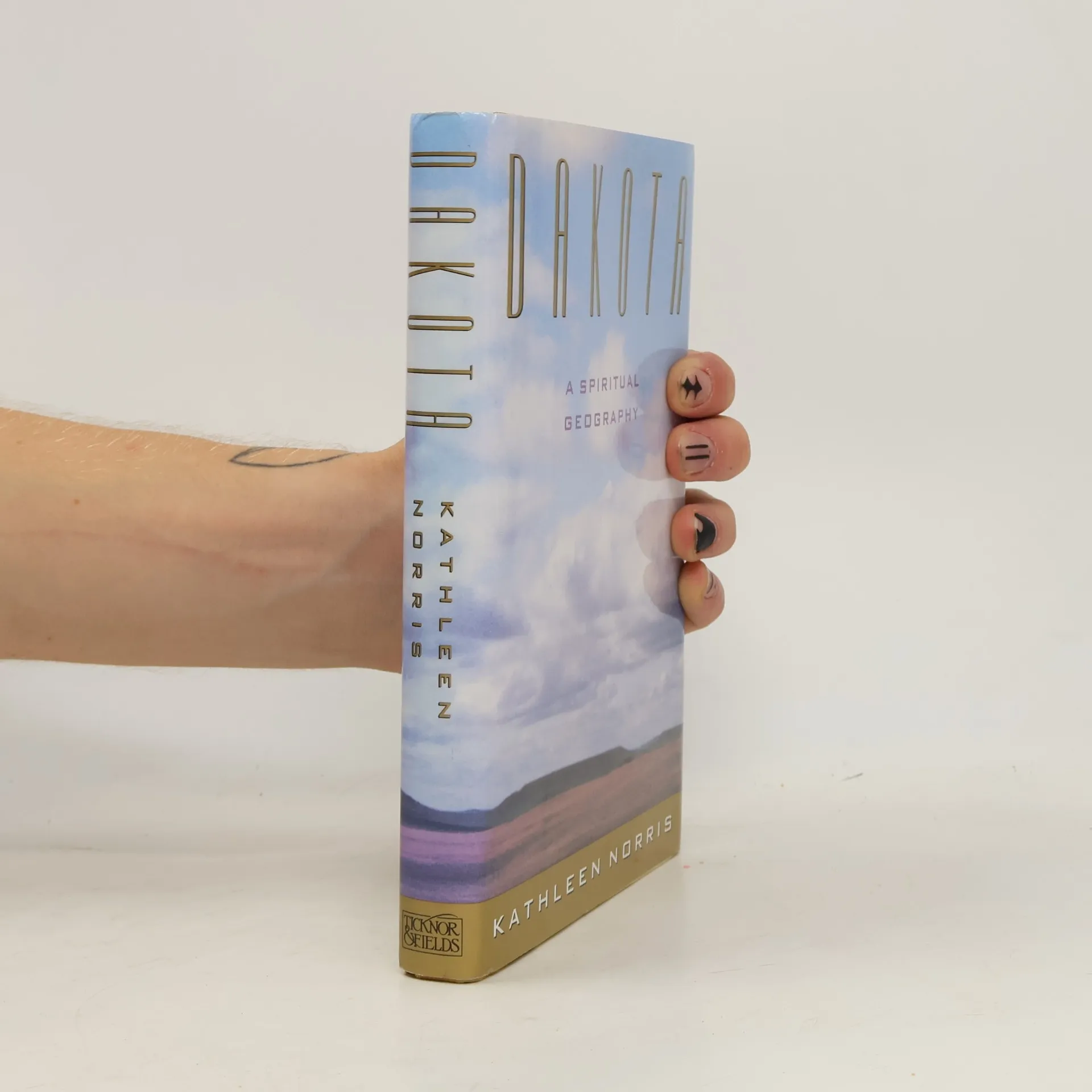
Dakota - A Spiritual Geography, Kathleen Norris
- Język

- Rok wydania
- 1993
- Oprawa
- (twarda)
Metody płatności
Brakuje nam tutaj Twojej recenzji.
- Tytuł
- Dakota - A Spiritual Geography
- Język
- angielski
- Autorzy
- Kathleen Norris
- Wydawca
- Ticknor & Fields
- Rok wydania
- 1993
- Oprawa
- twarda
- Liczba stron
- 224
- ISBN10
- 0395633206
- ISBN13
- 9780395633205
- Seria
- Kategorie
- Ocena
- 4 z 5
- Opis
- After 20 years of living in the "Great American Outback," as Newsweek magazine once designated the Dakotas, poet Kathleen Norris ( The Cloister Walk ) came to understand the fascinating ways that people become metaphors for the land they inhabit. When trying to understand the polarizing contradictions that exist in the Dakotas between "hospitality and insularity, change and inertia, stability and instability.... between hope and despair, between open hearts and closed minds," Norris draws a map. "We are at the point of transition between east and west in the United States," she explains, "geographically and psychically isolated from either coast, and unlike either the Midwest or the desert west." Like Terry Tempest Williams ( Refuge ), Norris understands how the boundary between inner and outer scenery begins to blur when one is fully present in the landscape of their lives. As a result, she offers the geography lesson we all longed for in school. This is a poetic, noble, and often funny (see her discussion on the foreign concept of tofu) tribute to Dakota, including its Native Americans, Benedictine monks, ministers and churchgoers, wind-weathered farmers, and all its plain folks who live such complicated and simple lives. --Gail Hudson