

Parametry
Więcej o książce
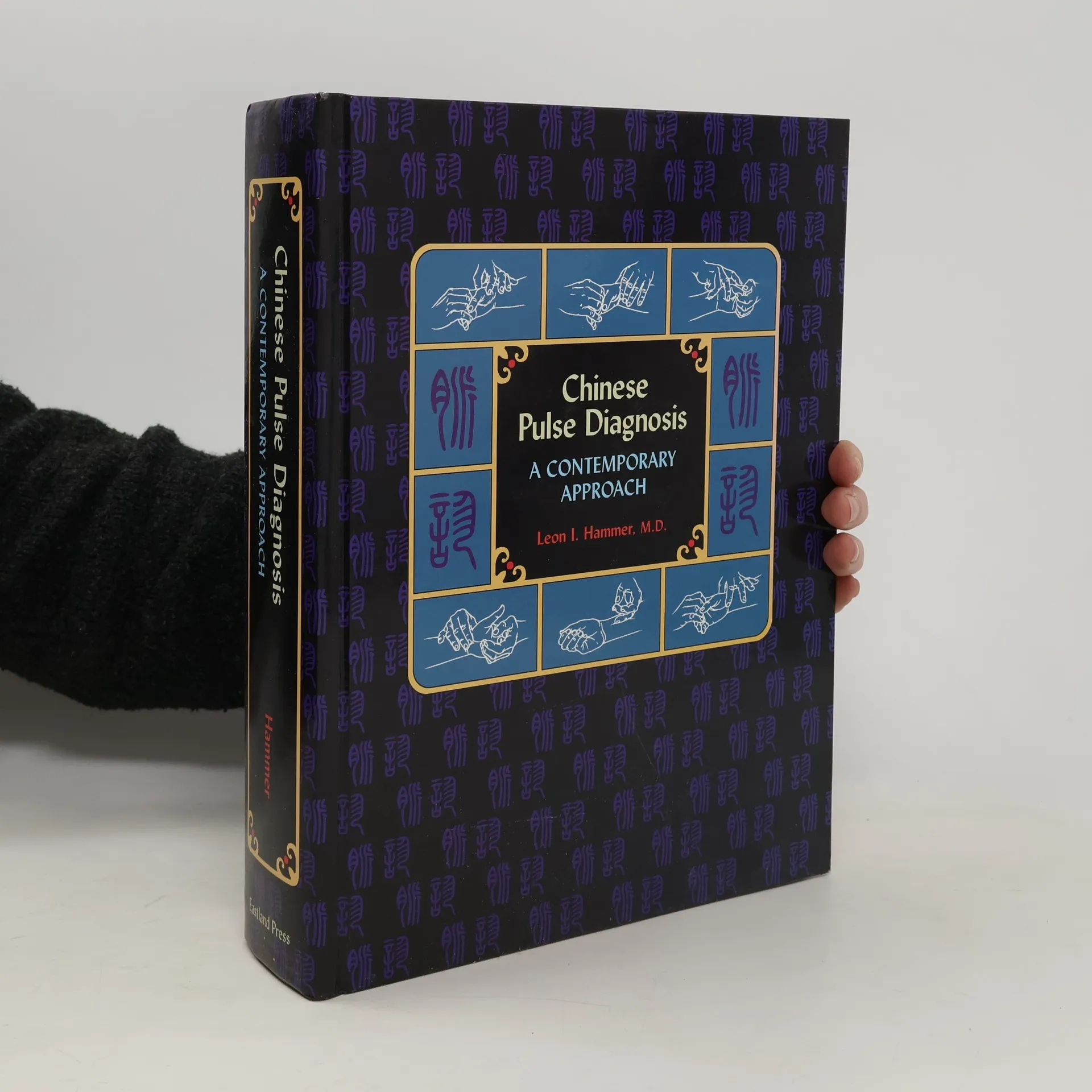
Pulse diagnosis, a key element of traditional Chinese medicine, serves as a subtle tool for early disease diagnosis and prevention. However, it has often been overlooked in modern practice. This revised edition presents a clear path to a deeper understanding of this diagnostic method, contextualized for contemporary readers. The book comprises seventeen chapters, arranged in increasing complexity. Initial chapters address terminology, pulse quality classification, historical comparisons, and factors like age and gender, along with pulse-taking methodology. The middle chapters delve into individual pulse qualities, characterized by sensations such as rate, rhythm, stability, volume, depth, size, and shape, while also discussing associated pathologies. Subsequent chapters explore the significance of qualities across the entire pulse or specific segments and at varying depths. The interplay between pulse qualities, psychology, and prognosis is examined in dedicated sections. A concluding chapter synthesizes the information, supported by case histories, to illustrate rational diagnosis formulation. The text is enhanced with over one hundred tables and illustrations, while individual chapter contents and extensive indexes facilitate easy navigation through this vital subject.


Zakup książki
Chinese Pulse Diagnosis, Leon Hammer
- Język

- Rok wydania
- 2001
- Oprawa
- (twarda)
Metody płatności
Brakuje nam tutaj Twojej recenzji.
- Tytuł
- Chinese Pulse Diagnosis
- Podtytuł
- A Contemporary Approach
- Język
- angielski
- Autorzy
- Leon Hammer
- Rok wydania
- 2001
- Oprawa
- twarda
- ISBN10
- 0939616254
- ISBN13
- 9780939616251
- Seria
- Kategorie
- Ocena
- 4,45 z 5
- Opis
- Pulse diagnosis, a key element of traditional Chinese medicine, serves as a subtle tool for early disease diagnosis and prevention. However, it has often been overlooked in modern practice. This revised edition presents a clear path to a deeper understanding of this diagnostic method, contextualized for contemporary readers. The book comprises seventeen chapters, arranged in increasing complexity. Initial chapters address terminology, pulse quality classification, historical comparisons, and factors like age and gender, along with pulse-taking methodology. The middle chapters delve into individual pulse qualities, characterized by sensations such as rate, rhythm, stability, volume, depth, size, and shape, while also discussing associated pathologies. Subsequent chapters explore the significance of qualities across the entire pulse or specific segments and at varying depths. The interplay between pulse qualities, psychology, and prognosis is examined in dedicated sections. A concluding chapter synthesizes the information, supported by case histories, to illustrate rational diagnosis formulation. The text is enhanced with over one hundred tables and illustrations, while individual chapter contents and extensive indexes facilitate easy navigation through this vital subject.