



Parametry
Więcej o książce
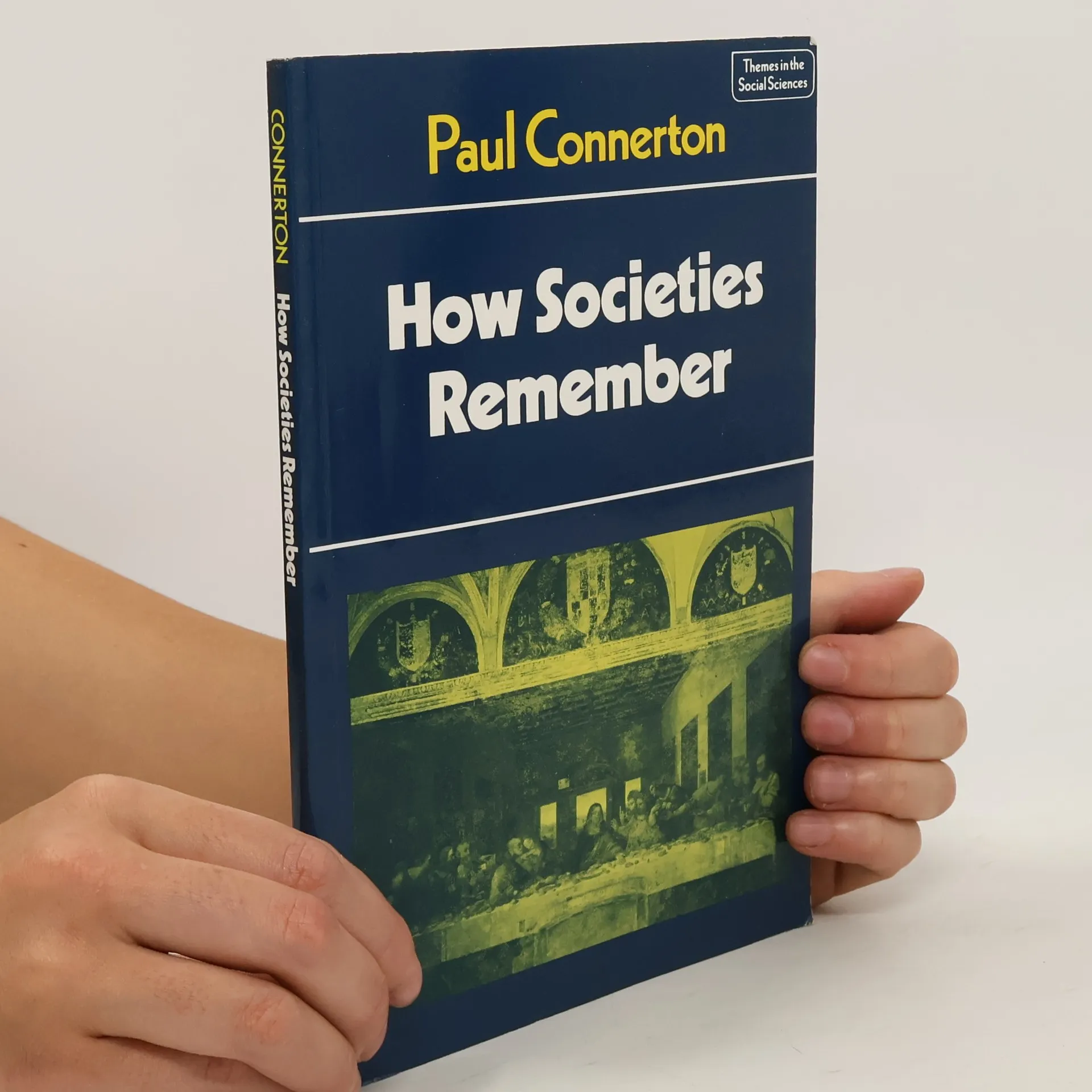
In treating memory as a cultural rather than an individual faculty, this book provides an account of how bodily practices are transmitted in, and as, traditions. Most studies of memory as a cultural faculty focus on written, or inscribed transmissions of memories. Paul Connerton, on the other hand, concentrates on bodily (or incorporated) practices, and so questions the currently dominant idea that literary texts may be taken as a metaphor for social practices generally. The author argues that images of the past and recollected knowledge of the past are conveyed and sustained by ritual performances and that performative memory is bodily. Bodily social memory is an essential aspect of social memory, but it is an aspect which has until now been badly neglected. An innovative study, this work should be of interest to researchers into social, political and anthropological thought as well as to graduate and undergraduate students.

Zakup książki
How societies remember, Paul Connerton
- Język

- Rok wydania
- 1989
- Oprawa
- (miękka)
Metody płatności
Brakuje nam tutaj Twojej recenzji.
- Tytuł
- How societies remember
- Język
- angielski
- Autorzy
- Paul Connerton
- Wydawca
- Cambridge University Press
- Rok wydania
- 1989
- Oprawa
- miękka
- ISBN10
- 0521270936
- ISBN13
- 9780521270939
- Kolekcja
- Themes in the social sciences
- Kategorie
- Ocena
- 3,75 z 5
- Opis
- In treating memory as a cultural rather than an individual faculty, this book provides an account of how bodily practices are transmitted in, and as, traditions. Most studies of memory as a cultural faculty focus on written, or inscribed transmissions of memories. Paul Connerton, on the other hand, concentrates on bodily (or incorporated) practices, and so questions the currently dominant idea that literary texts may be taken as a metaphor for social practices generally. The author argues that images of the past and recollected knowledge of the past are conveyed and sustained by ritual performances and that performative memory is bodily. Bodily social memory is an essential aspect of social memory, but it is an aspect which has until now been badly neglected. An innovative study, this work should be of interest to researchers into social, political and anthropological thought as well as to graduate and undergraduate students.