

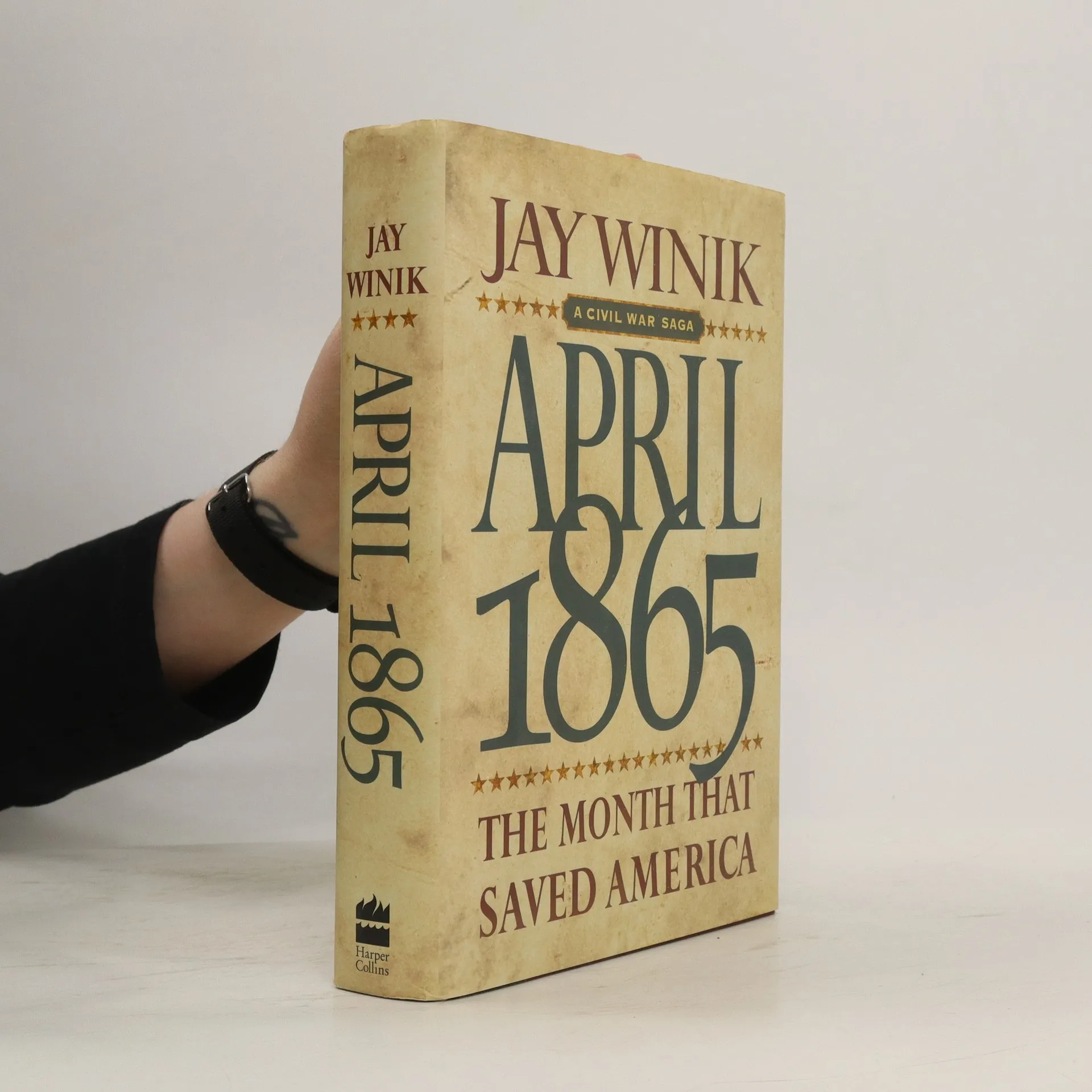
Więcej o książce
April 1865 was a pivotal month that could have unraveled the nation, yet it ultimately saved it. Jay Winik presents a compelling new perspective on the Civil War's final days, reshaping our understanding of the war's conclusion and the nation's rebirth. This account is set against a broader historical backdrop, featuring rich profiles of significant figures, innovative scholarship, and a gripping narrative that chronicles thirty critical days in U.S. history. The conclusion of the Civil War was not a foregone conclusion; there were numerous moments that could have reignited conflict or led to a more violent peace. Winik vividly recounts the dramatic fall of Richmond, a last-ditch Southern strategy for guerrilla warfare, Lee's retreat, and the events at Appomattox. The month also witnessed Lincoln's assassination just five days later, a near-successful plot to destabilize the Union government, and ensuing chaos in the North, alongside ongoing turmoil in the South. Ultimately, April 1865 is not merely about the war's end but also about the formation of the nation itself. Provocative and original, this reassessment is poised to become a significant narrative in American history.


Zakup książki
April 1865, Jay Winik
- Język

- Rok wydania
- 2001
- Oprawa
- (twarda)
Metody płatności
Brakuje nam tutaj Twojej recenzji.
- Tytuł
- April 1865
- Język
- angielski
- Autorzy
- Jay Winik
- Wydawca
- Harper
- Rok wydania
- 2001
- Oprawa
- twarda
- ISBN10
- 0060187239
- ISBN13
- 9780060187231
- Seria
- Kategorie
- Tagi
- Tematy historyczne, Fikcja wojenna, Wojny, Historia USA, Wojna domowa, Wojna secesyjna (1861-1865)
- Ocena
- 4,15 z 5
- Opis
- April 1865 was a pivotal month that could have unraveled the nation, yet it ultimately saved it. Jay Winik presents a compelling new perspective on the Civil War's final days, reshaping our understanding of the war's conclusion and the nation's rebirth. This account is set against a broader historical backdrop, featuring rich profiles of significant figures, innovative scholarship, and a gripping narrative that chronicles thirty critical days in U.S. history. The conclusion of the Civil War was not a foregone conclusion; there were numerous moments that could have reignited conflict or led to a more violent peace. Winik vividly recounts the dramatic fall of Richmond, a last-ditch Southern strategy for guerrilla warfare, Lee's retreat, and the events at Appomattox. The month also witnessed Lincoln's assassination just five days later, a near-successful plot to destabilize the Union government, and ensuing chaos in the North, alongside ongoing turmoil in the South. Ultimately, April 1865 is not merely about the war's end but also about the formation of the nation itself. Provocative and original, this reassessment is poised to become a significant narrative in American history.