

Ocena książki
Więcej o książce
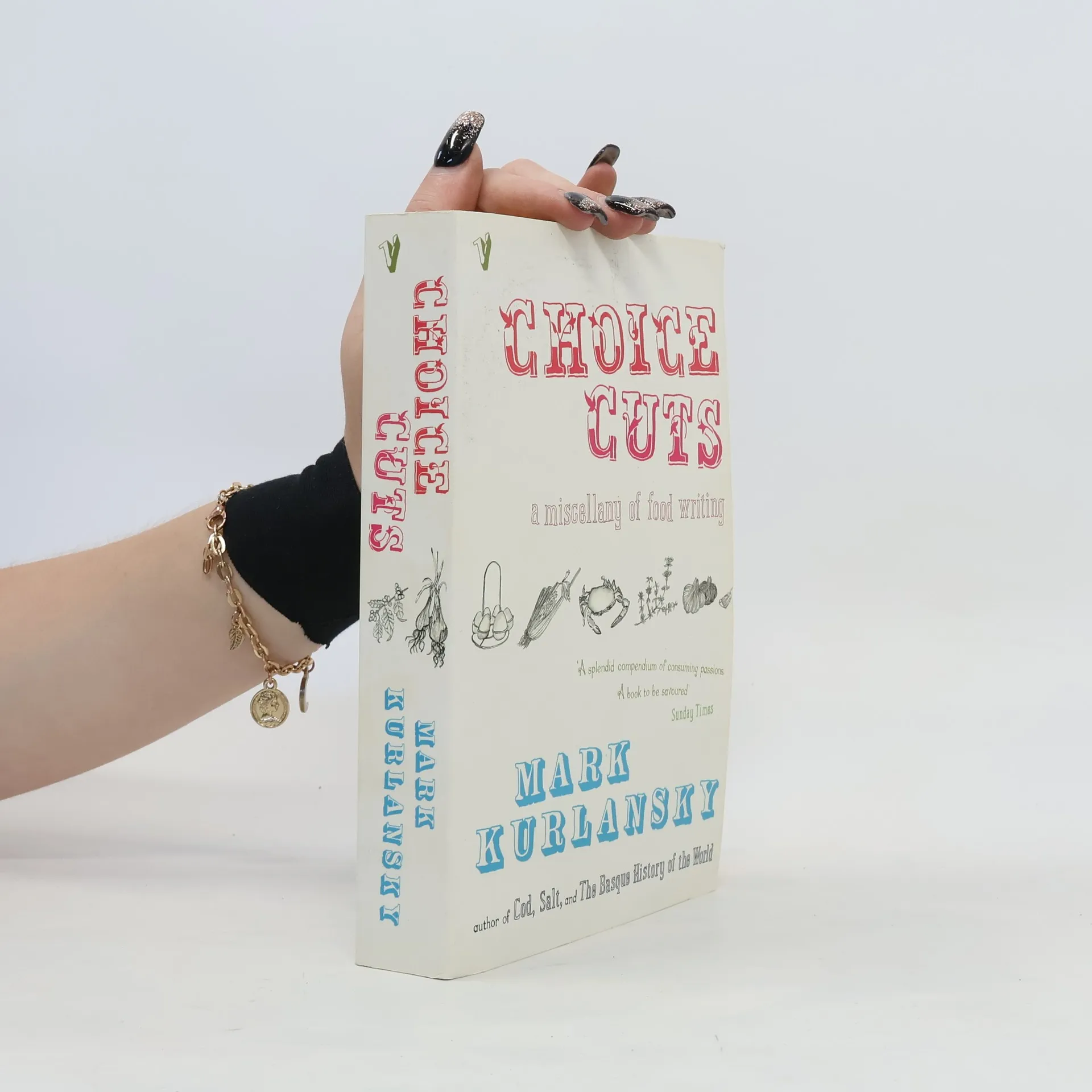
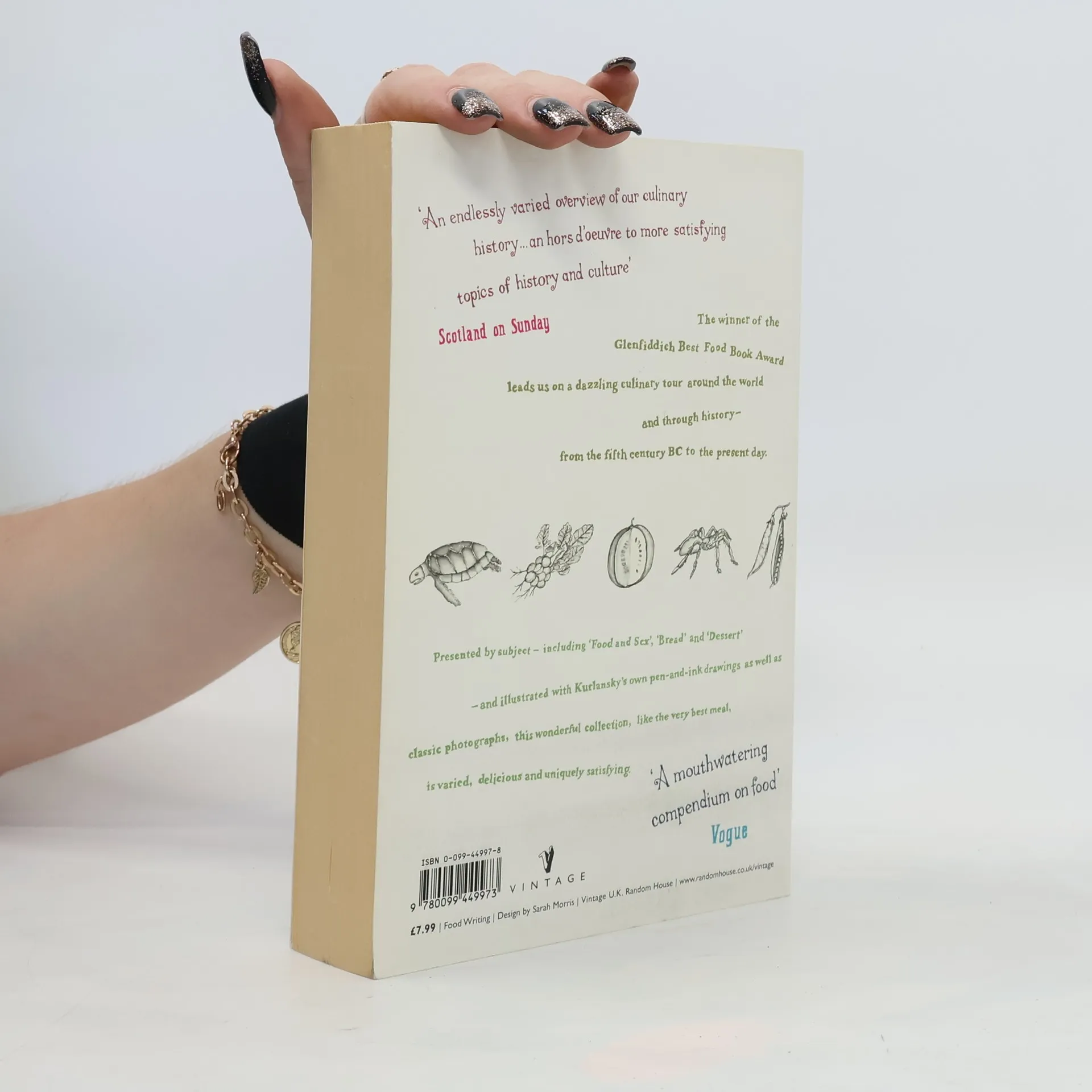
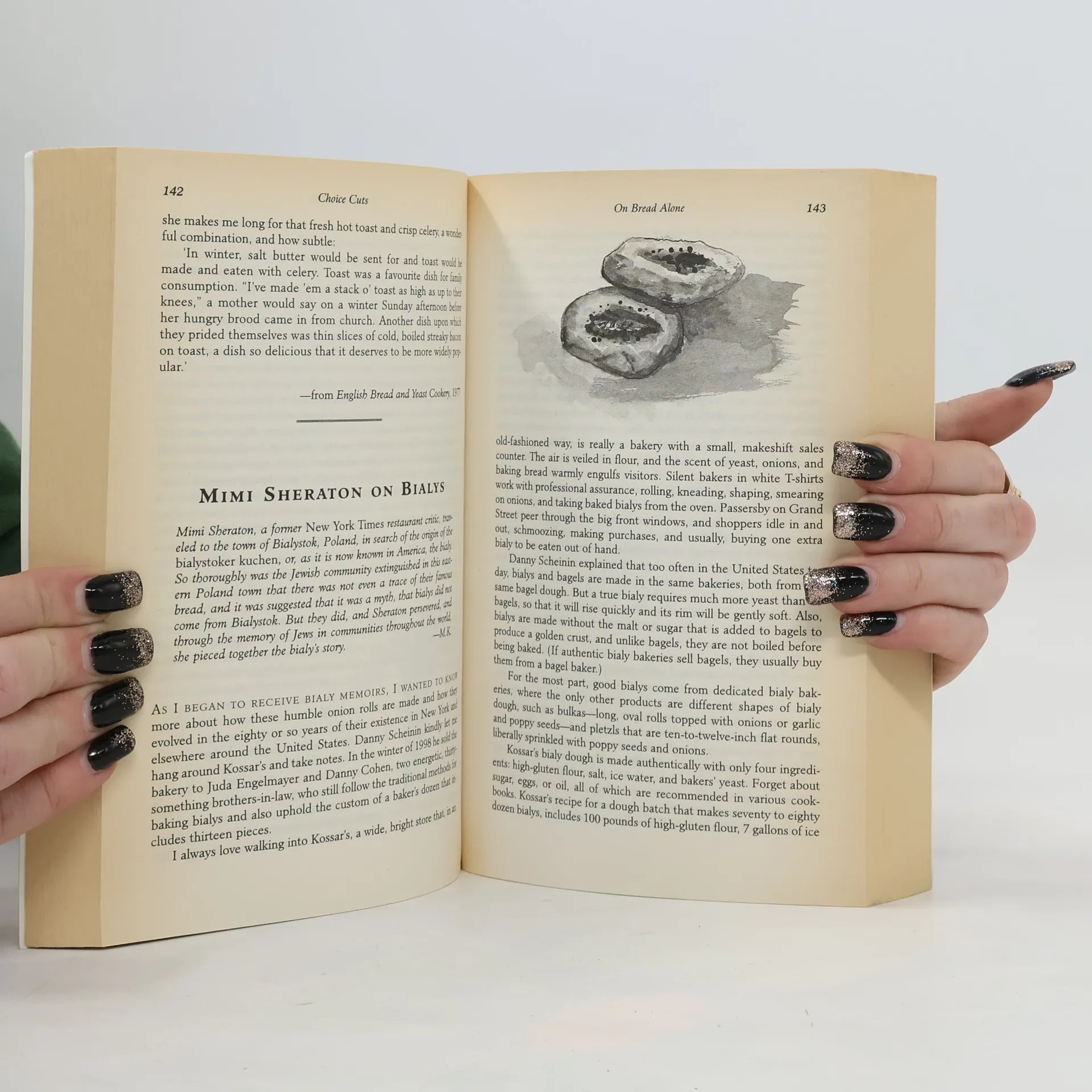
From Mark Kurlansky, bestselling and award-winning author of "Cod", comes a lively, insightful anthology of food writing from ancient to contemporary writers. "Choice Cuts" opens with an introduction about the history of food writing by Kurlansky and the book is illustrated throughout with his own pen and ink drawings. The anthology collects work from all over the world, and from all ages. It includes Cato, whose second century BC practical guide to rural life, "De Agricultura", the oldest surviving complete book of Latin prose, is rich in food commentary that illuminates his time. This is also true of Pliny the Elder three centuries later, and Apicius, a chef who was one of the first great food writers. The collection pays tribute to writers for their social commentary, such as Emile Zola's observations about the fat and thin people at Les Halles market in his novel, "The Belly of Paris", and Lu Wenfu's discussion of an appropriate revolutionary restaurant in Maoist China from his novella, "The Gourmet." "Choice Cuts" also includes some of the many writings on food and sex, food and national identity and those food writers who were spectacularly ill-informed. Alexander Dumas, arguably the least accurate food writer in all history, wrote an amazing piece on how crabs are 'eaten by Negroes', and Waverly Root denounced guinea fowl, because they hide when you are ready to kill them.


Zakup książki
Choice Cuts, Mark Kurlansky
- Język

- Rok wydania
- 2004
- Oprawa
- (miękka)
Metody płatności
Brakuje nam tutaj Twojej recenzji.
- Tytuł
- Choice Cuts
- Podtytuł
- A Selection of Food Writing from Around the World and Throughout History
- Język
- angielski
- Autorzy
- Mark Kurlansky
- Wydawca
- Vintage Books USA
- Rok wydania
- 2004
- Oprawa
- miękka
- Liczba stron
- 400
- ISBN10
- 0099449978
- ISBN13
- 9780099449973
- Seria
- Ocena
- 3,7 z 5
- Opis
- From Mark Kurlansky, bestselling and award-winning author of "Cod", comes a lively, insightful anthology of food writing from ancient to contemporary writers. "Choice Cuts" opens with an introduction about the history of food writing by Kurlansky and the book is illustrated throughout with his own pen and ink drawings. The anthology collects work from all over the world, and from all ages. It includes Cato, whose second century BC practical guide to rural life, "De Agricultura", the oldest surviving complete book of Latin prose, is rich in food commentary that illuminates his time. This is also true of Pliny the Elder three centuries later, and Apicius, a chef who was one of the first great food writers. The collection pays tribute to writers for their social commentary, such as Emile Zola's observations about the fat and thin people at Les Halles market in his novel, "The Belly of Paris", and Lu Wenfu's discussion of an appropriate revolutionary restaurant in Maoist China from his novella, "The Gourmet." "Choice Cuts" also includes some of the many writings on food and sex, food and national identity and those food writers who were spectacularly ill-informed. Alexander Dumas, arguably the least accurate food writer in all history, wrote an amazing piece on how crabs are 'eaten by Negroes', and Waverly Root denounced guinea fowl, because they hide when you are ready to kill them.