

Więcej o książce
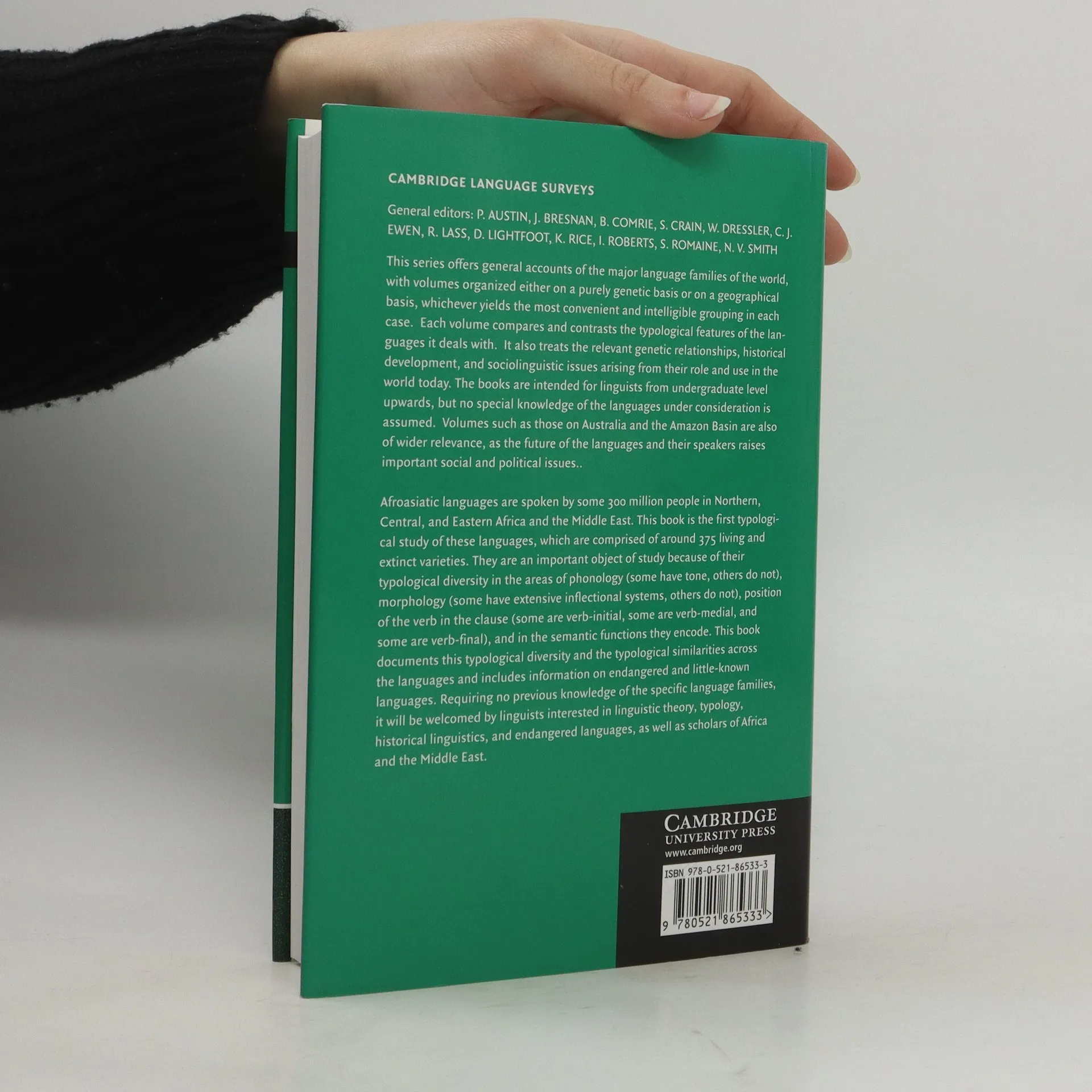
Afroasiatic languages are spoken by some 300 million people in Northern, Central and Eastern Africa and the Middle East. This book is the first typological study of these languages, which are comprised of around 375 living and extinct varieties. They are an important object of study because of their typological diversity in the areas of phonology (some have tone; others do not), morphology (some have extensive inflectional systems; others do not), position of the verb in the clause (some are verb-initial, some are verb-medial, and some are verb-final) and in the semantic functions they encode. This book documents this typological diversity and the typological similarities across the languages and includes information on endangered and little-known languages. Requiring no previous knowledge of the specific language families, it will be welcomed by linguists interested in linguistic theory, typology, historical linguistics and endangered languages, as well as scholars of Africa and the Middle East.
Zakup książki
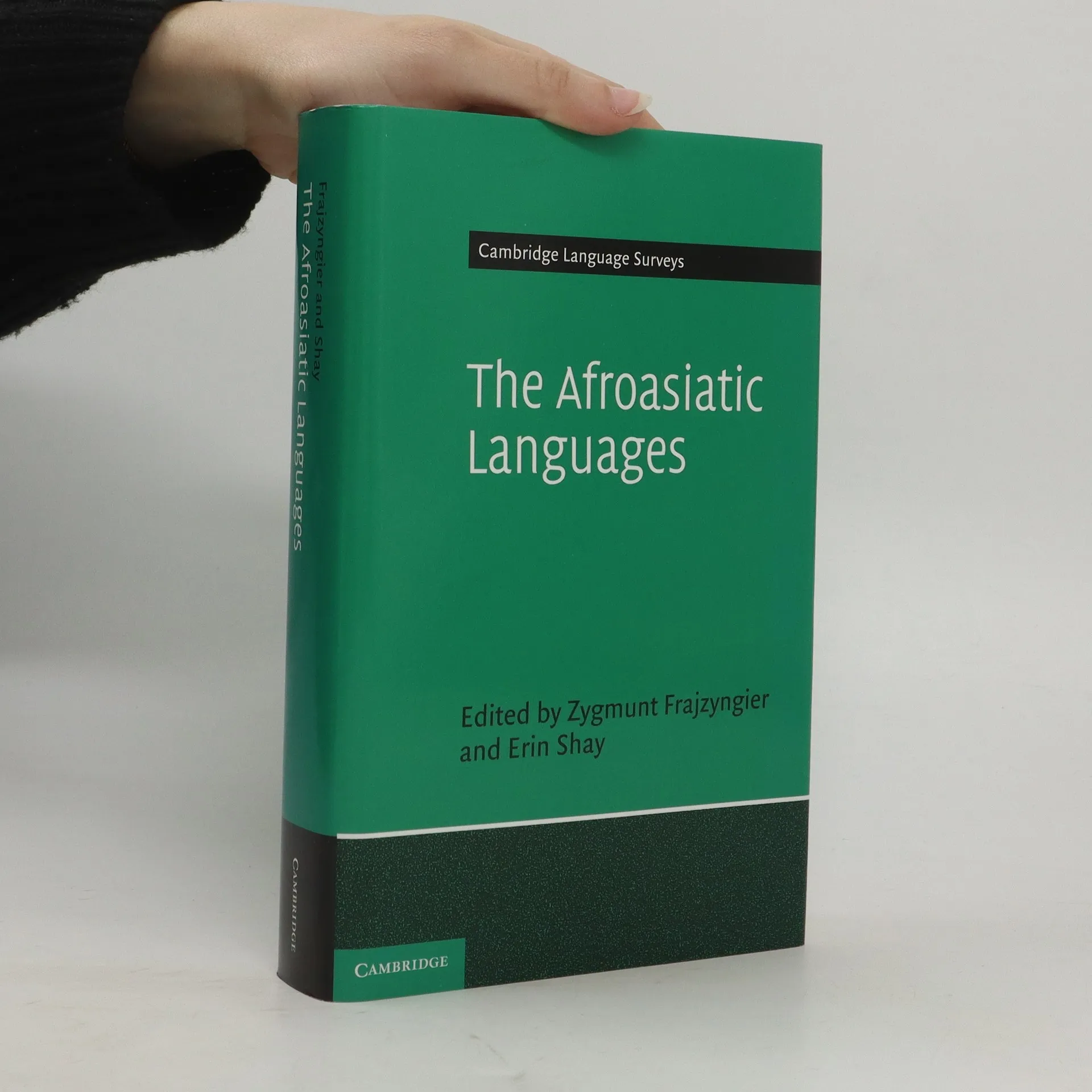
The Afroasiatic languages, Zygmunt Frajzyngier, Erin Shay
- Język

- Rok wydania
- 2012
- Oprawa
- (twarda)
Metody płatności
Nikt jeszcze nie ocenił.
- Tytuł
- The Afroasiatic languages
- Język
- angielski
- Autorzy
- Zygmunt Frajzyngier, Erin Shay
- Wydawca
- Cambridge University Press
- Rok wydania
- 2012
- Oprawa
- twarda
- Liczba stron
- 708
- ISBN10
- 0521865336
- ISBN13
- 9780521865333
- Kolekcja
- Cambridge language surveys
- Kategorie
- Opis
- Afroasiatic languages are spoken by some 300 million people in Northern, Central and Eastern Africa and the Middle East. This book is the first typological study of these languages, which are comprised of around 375 living and extinct varieties. They are an important object of study because of their typological diversity in the areas of phonology (some have tone; others do not), morphology (some have extensive inflectional systems; others do not), position of the verb in the clause (some are verb-initial, some are verb-medial, and some are verb-final) and in the semantic functions they encode. This book documents this typological diversity and the typological similarities across the languages and includes information on endangered and little-known languages. Requiring no previous knowledge of the specific language families, it will be welcomed by linguists interested in linguistic theory, typology, historical linguistics and endangered languages, as well as scholars of Africa and the Middle East.