


Parametry
Więcej o książce
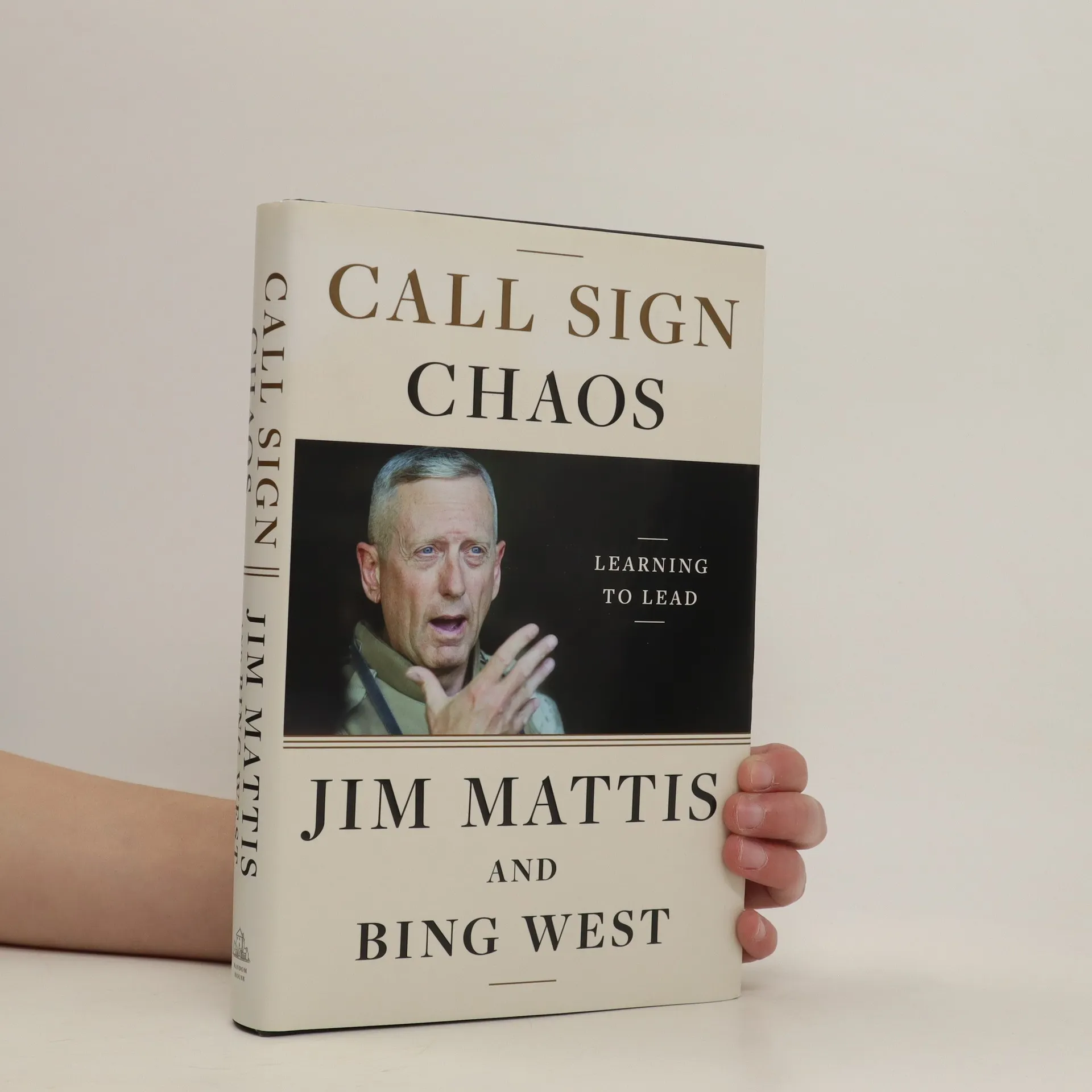
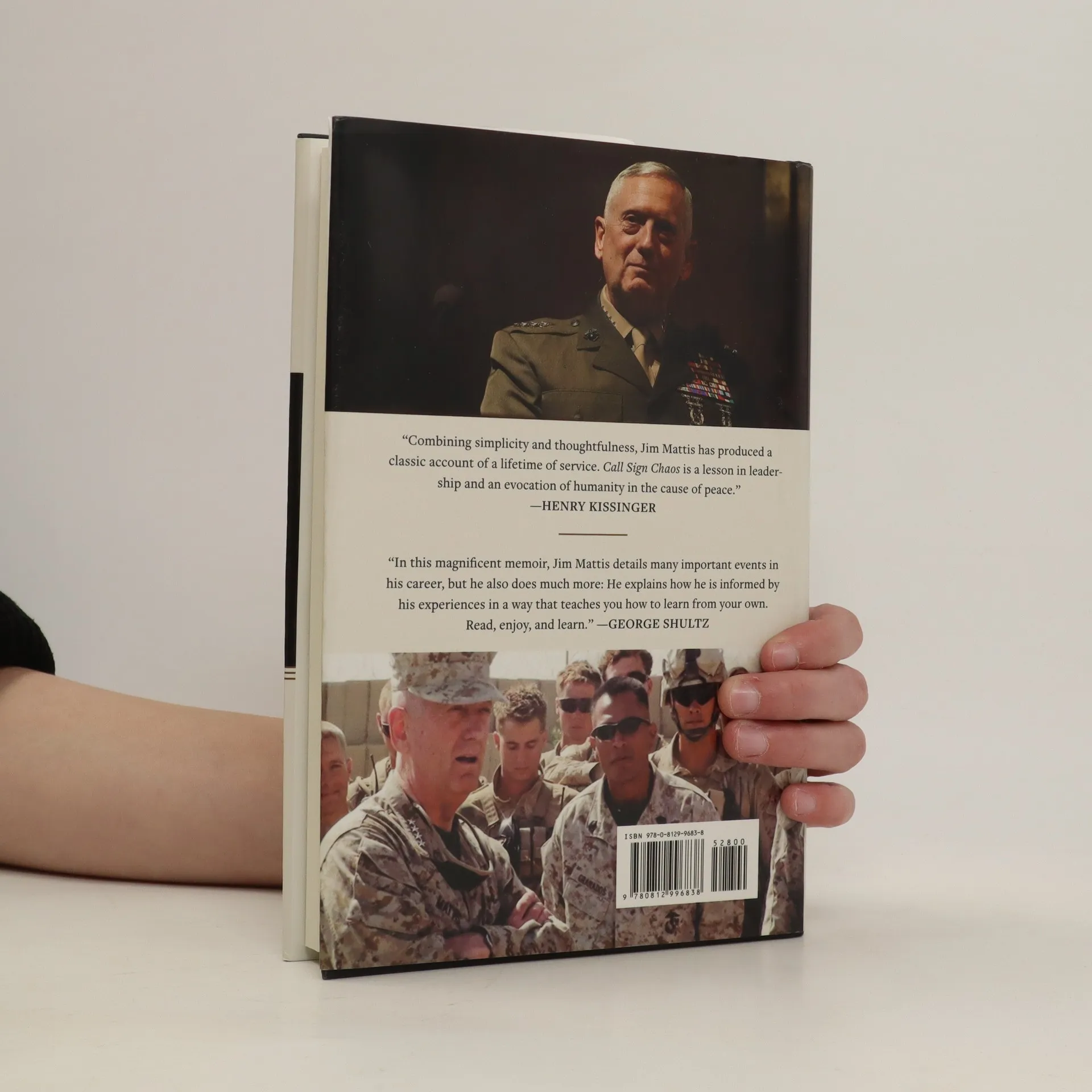
This account chronicles Jim Mattis's distinguished military career, highlighting his leadership in three wars and his command of a quarter of a million troops in the Middle East. Mattis shares foundational experiences that shaped his understanding of warfighting and peacemaking, the significance of alliances, and the strategic challenges facing the nation. He emphasizes the need for America to adopt a strategic approach to avoid winning battles while engaging in inconclusive wars. The narrative is divided into three parts: Direct Leadership, Executive Leadership, and Strategic Leadership. In the first section, Mattis reflects on his early days leading Marines, forming bonds akin to brotherhood. The second part delves into commanding large forces and adapting leadership styles to ensure even the most junior troops grasp their missions. The final section addresses the complexities of strategic leadership, where military and political realms intersect, and the stakes of imprudence are high. This memoir captures Mattis's evolution from Marine recruit to four-star general, illustrating his journey of leadership development and the unique philosophy he cultivated through continuous learning and action, offering insights applicable to all.

Zakup książki
Call sign chaos : learning to lead, Francis J. West, James N. Mattis
- Język

- Rok wydania
- 2019
- Oprawa
- (twarda)
Metody płatności
Brakuje nam tutaj Twojej recenzji.
- Tytuł
- Call sign chaos : learning to lead
- Język
- angielski
- Autorzy
- Francis J. West, James N. Mattis
- Wydawca
- Random House
- Rok wydania
- 2019
- Oprawa
- twarda
- ISBN10
- 0812996836
- ISBN13
- 9780812996838
- Seria
- Kategorie
- Ocena
- 4,25 z 5
- Opis
- This account chronicles Jim Mattis's distinguished military career, highlighting his leadership in three wars and his command of a quarter of a million troops in the Middle East. Mattis shares foundational experiences that shaped his understanding of warfighting and peacemaking, the significance of alliances, and the strategic challenges facing the nation. He emphasizes the need for America to adopt a strategic approach to avoid winning battles while engaging in inconclusive wars. The narrative is divided into three parts: Direct Leadership, Executive Leadership, and Strategic Leadership. In the first section, Mattis reflects on his early days leading Marines, forming bonds akin to brotherhood. The second part delves into commanding large forces and adapting leadership styles to ensure even the most junior troops grasp their missions. The final section addresses the complexities of strategic leadership, where military and political realms intersect, and the stakes of imprudence are high. This memoir captures Mattis's evolution from Marine recruit to four-star general, illustrating his journey of leadership development and the unique philosophy he cultivated through continuous learning and action, offering insights applicable to all.