


Więcej o książce
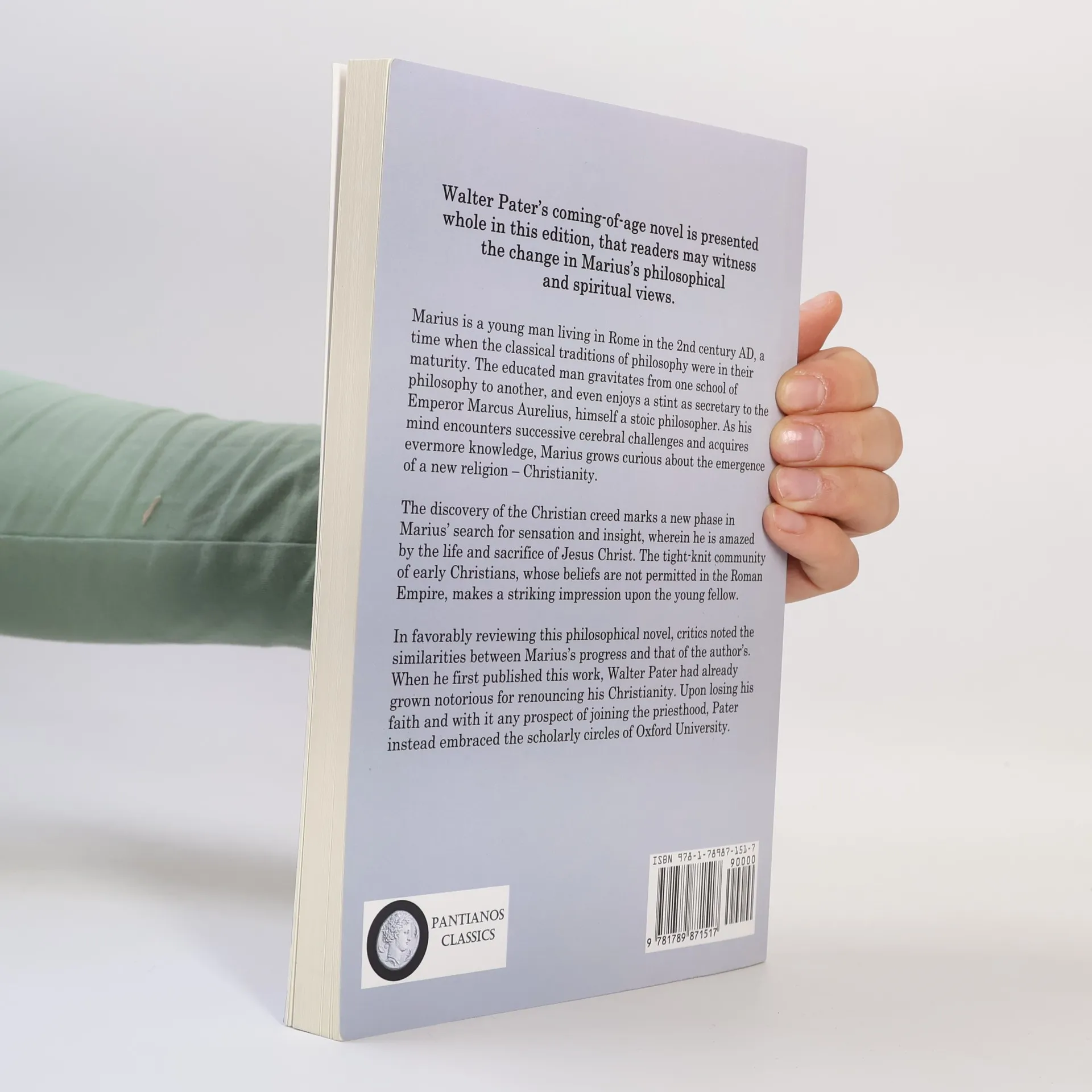
Marius is born into a patrician family in the second-century Roman Empire. After the death of his parents, he is sent to boarding school, where he absorbs the rituals and beliefs of his homeland. As he matures, he explores various philosophies until he becomes the amanuensis to Emperor Marcus Aurelius, a prominent Stoic thinker. Marius engages with Stoicism but soon becomes intrigued by Christianity. His quest for meaning allows Pater to explore key themes, such as the impact of childhood experiences on adult personality and the value of an aesthetic life balanced with modest pleasures, distinguishing it from hedonism's destructive excess. The narrative emphasizes Marius's inner conflict regarding religion, mirroring Pater's own longing for the simplicity of his youthful faith. Marius's journey takes him through paganism, philosophy, and Christianity, as he seeks the comfort of lost rituals. Ultimately, he finds peace elusive. The work stands as a significant milestone in 19th-century explorations of religion and philosophy, employing a complex structure of frame narratives, epistolary fragments, orations, and dialogues. This innovative approach foreshadows the modernism that would characterize 20th-century literature, earning it recognition as a remarkable fictional experiment of its time.


Zakup książki
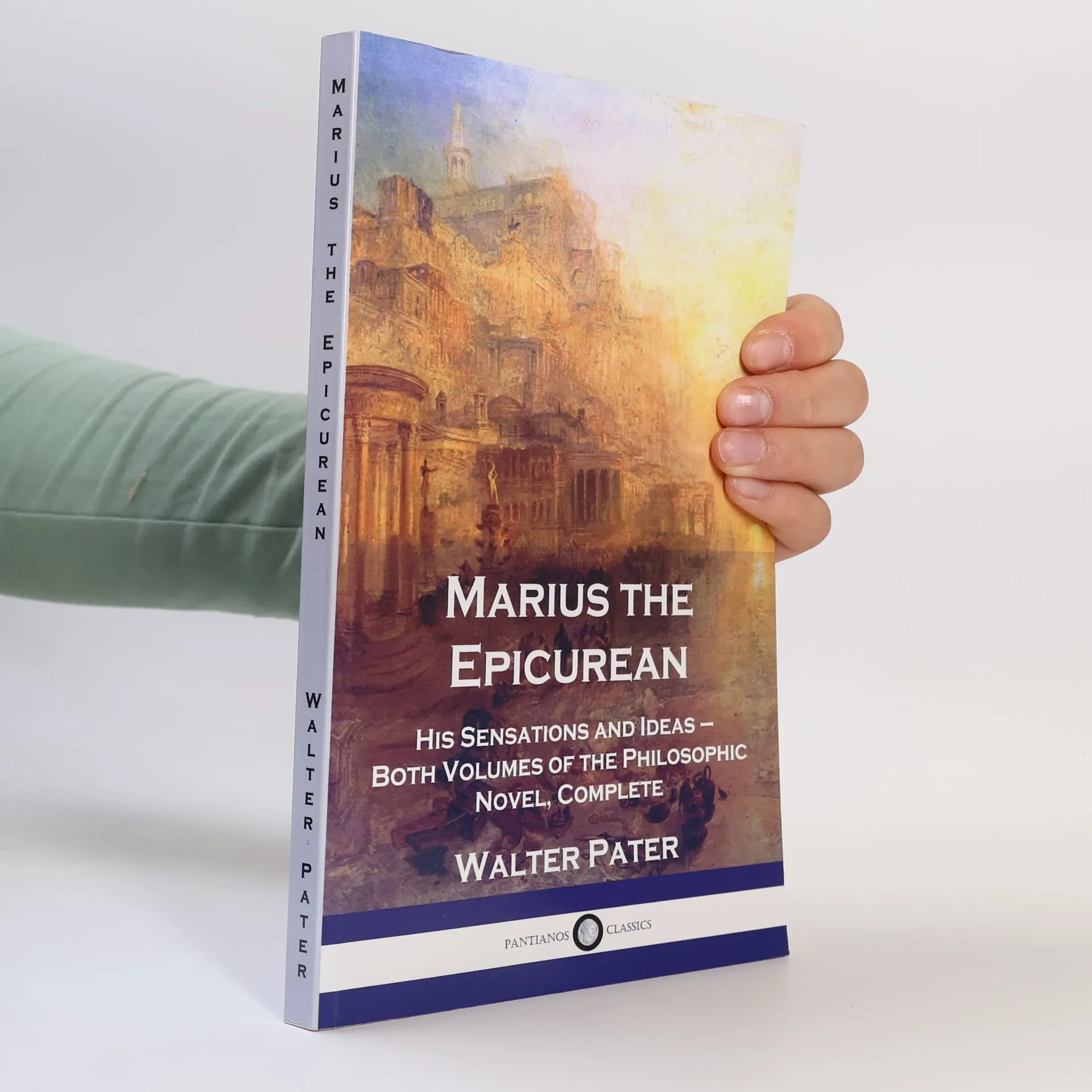
Classics: Marius the Epicurean, Pater Walter
- Język

- Rok wydania
- 2019
- Oprawa
- (miękka)
Metody płatności
Nikt jeszcze nie ocenił.
- Tytuł
- Classics: Marius the Epicurean
- Podtytuł
- His Sensations and Ideas - Both Volumes of the Philosophic Novel, Complete
- Język
- angielski
- Autorzy
- Pater Walter
- Wydawca
- Pantianos Classics
- Rok wydania
- 2019
- Oprawa
- miękka
- Liczba stron
- 202
- ISBN10
- 1789871514
- ISBN13
- 9781789871517
- Seria
- Opis
- Marius is born into a patrician family in the second-century Roman Empire. After the death of his parents, he is sent to boarding school, where he absorbs the rituals and beliefs of his homeland. As he matures, he explores various philosophies until he becomes the amanuensis to Emperor Marcus Aurelius, a prominent Stoic thinker. Marius engages with Stoicism but soon becomes intrigued by Christianity. His quest for meaning allows Pater to explore key themes, such as the impact of childhood experiences on adult personality and the value of an aesthetic life balanced with modest pleasures, distinguishing it from hedonism's destructive excess. The narrative emphasizes Marius's inner conflict regarding religion, mirroring Pater's own longing for the simplicity of his youthful faith. Marius's journey takes him through paganism, philosophy, and Christianity, as he seeks the comfort of lost rituals. Ultimately, he finds peace elusive. The work stands as a significant milestone in 19th-century explorations of religion and philosophy, employing a complex structure of frame narratives, epistolary fragments, orations, and dialogues. This innovative approach foreshadows the modernism that would characterize 20th-century literature, earning it recognition as a remarkable fictional experiment of its time.