

Więcej o książce
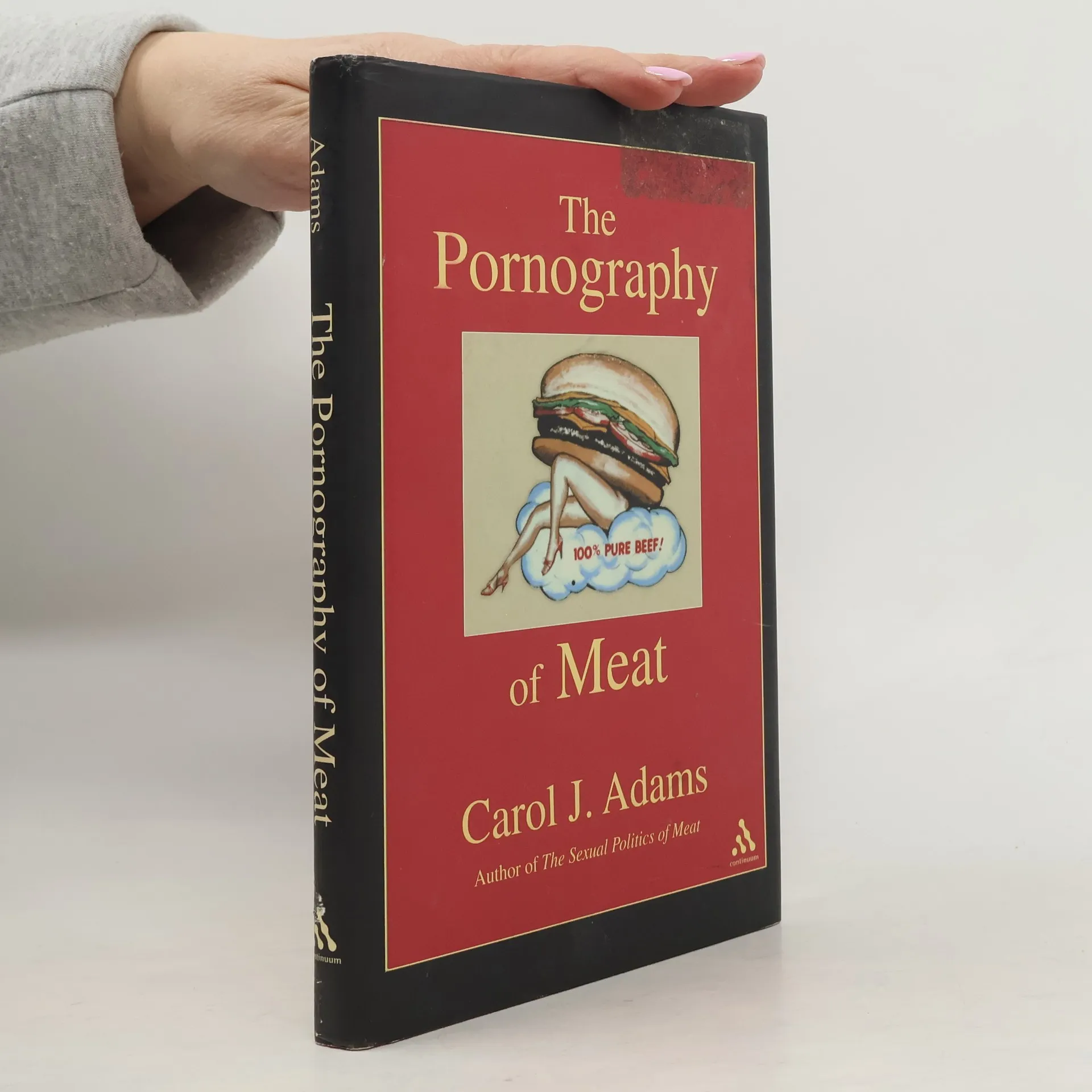
How does someone become a piece of meat? Carol J. Adams explores this provocative question by uncovering hidden meanings in our culture. Through advertisements, T-shirts, billboards, menus, and more, she reveals the troubling connections between the portrayal of women and animals. Following her earlier work, The Sexual Politics of Meat, this book highlights alarming links such as the fascination with slaughter in pornography, the objectification of women through ads for chicken and turkey body parts, and the sexualized presentation of animals. Adams discusses how certain pornographic imagery implies that women, particularly women of color, are akin to insatiable animals. She also examines how meat advertising employs X-rated visuals and notes the troubling alliances between some animal-rights groups and the porn industry. With 200 illustrations, this bold and insightful work explains why Adams's presentations resonate on college campuses and provoke backlash from the groups she critiques. From chain steakhouses to government policies and artificial insemination in farming, the book reveals how societal harm is often masked as entertainment.


Zakup książki
The Pornography of Meat, Carol J. Adams
- Język

- Rok wydania
- 2003
- Oprawa
- (twarda)
Metody płatności
Brakuje nam tutaj Twojej recenzji.
- Tytuł
- The Pornography of Meat
- Język
- angielski
- Autorzy
- Carol J. Adams
- Rok wydania
- 2003
- Oprawa
- twarda
- Liczba stron
- 192
- ISBN10
- 0826414486
- ISBN13
- 9780826414489
- Seria
- Ocena
- 3,65 z 5
- Opis
- How does someone become a piece of meat? Carol J. Adams explores this provocative question by uncovering hidden meanings in our culture. Through advertisements, T-shirts, billboards, menus, and more, she reveals the troubling connections between the portrayal of women and animals. Following her earlier work, The Sexual Politics of Meat, this book highlights alarming links such as the fascination with slaughter in pornography, the objectification of women through ads for chicken and turkey body parts, and the sexualized presentation of animals. Adams discusses how certain pornographic imagery implies that women, particularly women of color, are akin to insatiable animals. She also examines how meat advertising employs X-rated visuals and notes the troubling alliances between some animal-rights groups and the porn industry. With 200 illustrations, this bold and insightful work explains why Adams's presentations resonate on college campuses and provoke backlash from the groups she critiques. From chain steakhouses to government policies and artificial insemination in farming, the book reveals how societal harm is often masked as entertainment.