


Parametry
Więcej o książce
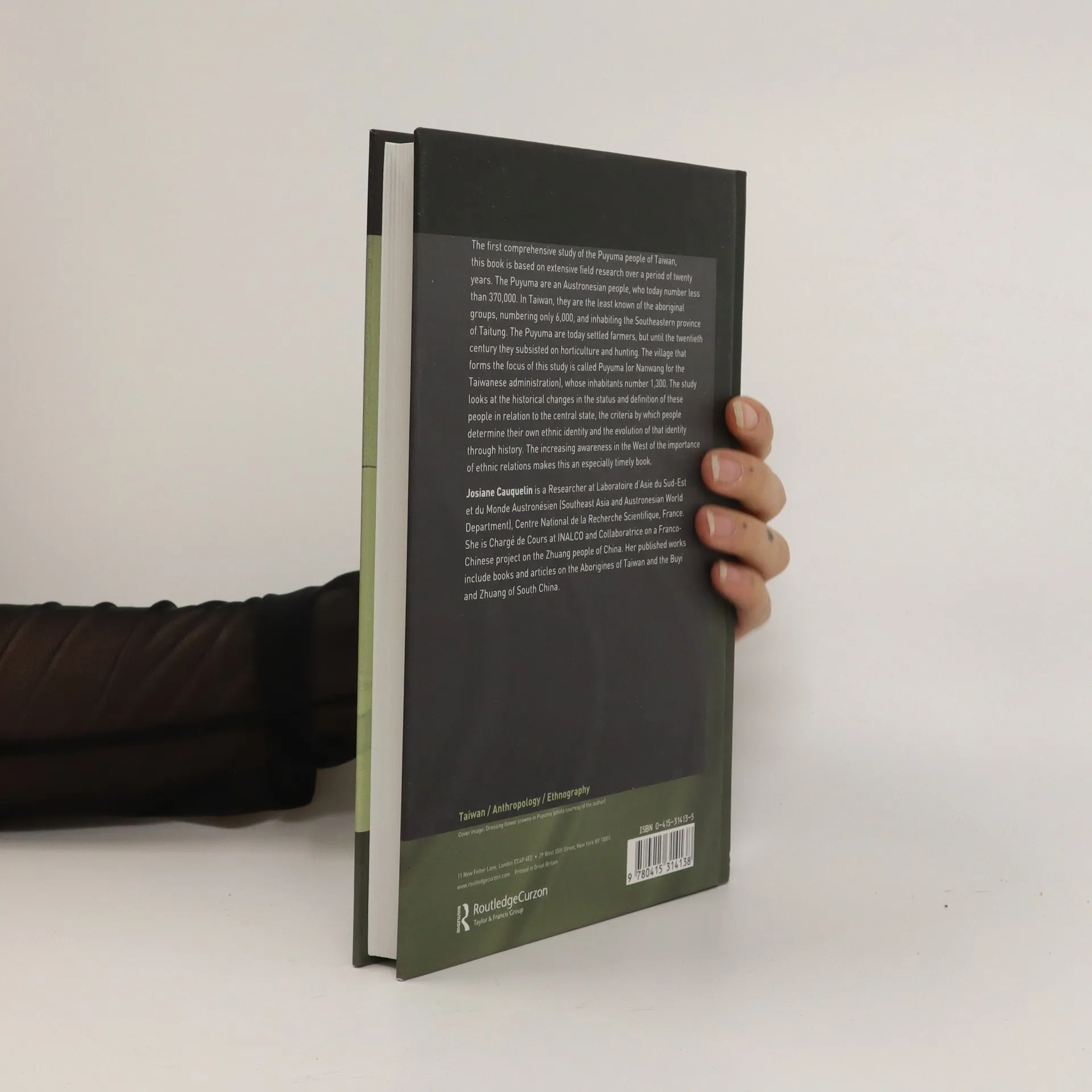
The first comprehensive study of the Puyuma people of Taiwan, this book is based on extensive field research over a period of twenty years. The Puyuma belong to the Austronesian peoples, which today number less than 370,000. In Taiwan, they are the least known of the aboriginal groups, numbering on 6,000, and inhabiting the Southeastern province of Taitung. The Puyuma are today sedentary farmers, but until the last century subsisted on horticulture and hunting. Consisting of several villages forming a traditional community, the village that forms the focus of this study is called Puyuma (or Nanwang for the Taiwanese administration), whose inhabitants number 1300. The study looks at the historical changes in the status and definition of these people in relation to the central state, the criteria by which people determine their own ethnic identity, and the evolution of that identity through history. The increasing awareness in the West of the importance of ethnic relations makes this an especially timely book.


Zakup książki
The Aborigines of Taiwan. The Puyuma: from headhunting to the modern world, Josiane Cauquelin
- Język

- Rok wydania
- 2004
- Oprawa
- (twarda)
Metody płatności
Brakuje nam tutaj Twojej recenzji.
- Tytuł
- The Aborigines of Taiwan. The Puyuma: from headhunting to the modern world
- Język
- angielski
- Autorzy
- Josiane Cauquelin
- Wydawca
- RoutledgeCurzon
- Rok wydania
- 2004
- Oprawa
- twarda
- ISBN10
- 0415314135
- ISBN13
- 9780415314138
- Seria
- Kategorie
- Ocena
- 3,75 z 5
- Opis
- The first comprehensive study of the Puyuma people of Taiwan, this book is based on extensive field research over a period of twenty years. The Puyuma belong to the Austronesian peoples, which today number less than 370,000. In Taiwan, they are the least known of the aboriginal groups, numbering on 6,000, and inhabiting the Southeastern province of Taitung. The Puyuma are today sedentary farmers, but until the last century subsisted on horticulture and hunting. Consisting of several villages forming a traditional community, the village that forms the focus of this study is called Puyuma (or Nanwang for the Taiwanese administration), whose inhabitants number 1300. The study looks at the historical changes in the status and definition of these people in relation to the central state, the criteria by which people determine their own ethnic identity, and the evolution of that identity through history. The increasing awareness in the West of the importance of ethnic relations makes this an especially timely book.