


Więcej o książce
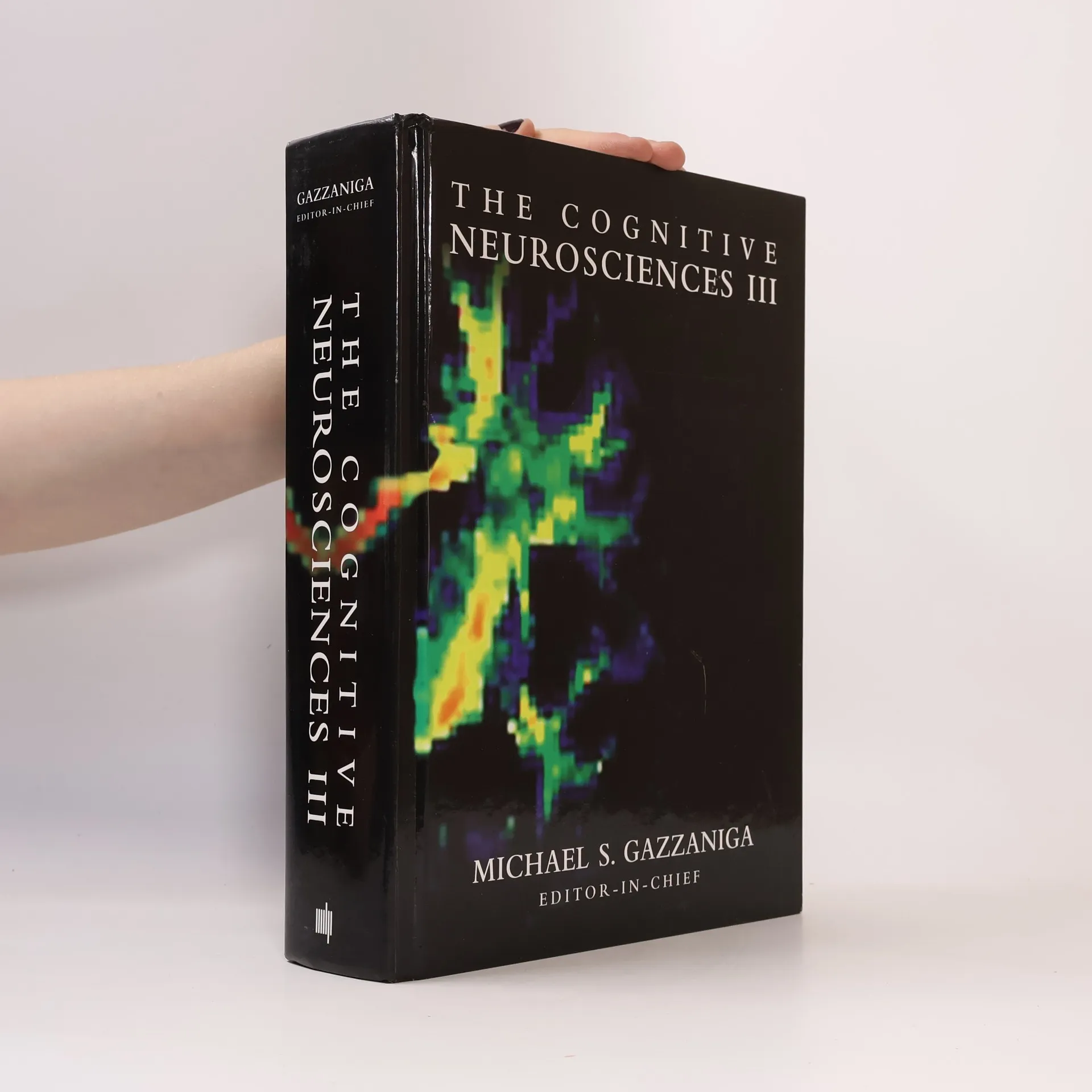
Each edition of this classic reference has proved to be a benchmark in the developing field of cognitive neuroscience. The third edition of The Cognitive Neurosciences continues to chart new directions in the study of the biologic underpinnings of complex cognition -- the relationship between the structural and physiological mechanisms of the nervous system and the psychological reality of the mind. Every chapter is new and each section has new participants. Features of the third edition include research that maps biological changes directly to cognitive changes; a new and integrated view of sensory systems and perceptual processes; the presentation of new developments in plasticity; recent research on the cognitive neuroscience of false memory, which reveals the constructive nature of memory retrieval; and new topics in the neuroscientific study of emotion, including the "social brain." The new final section, "Perspectives and New Directions," discusses a wide variety of topics that point toward the future of this vibrant and exciting field.



Zakup książki
The Cognitive Neurosciences, Michael S. Gazzaniga
- Język

- Rok wydania
- 2004
- Oprawa
- (twarda)
Metody płatności
Brakuje nam tutaj Twojej recenzji.
- Tytuł
- The Cognitive Neurosciences
- Podtytuł
- Third Edition
- Język
- angielski
- Autorzy
- Michael S. Gazzaniga
- Wydawca
- MIT Press
- Rok wydania
- 2004
- Oprawa
- twarda
- Liczba stron
- 1385
- ISBN10
- 0262072548
- ISBN13
- 9780262072540
- Seria
- Kategorie
- Tagi
- Podręczniki, Zdrowie & Medycyna, Tematyka psychologiczna, Poradniki, Nauka, Tematyka medyczna, Neurobiologia, Mózg
- Ocena
- 4,6 z 5
- Opis
- Each edition of this classic reference has proved to be a benchmark in the developing field of cognitive neuroscience. The third edition of The Cognitive Neurosciences continues to chart new directions in the study of the biologic underpinnings of complex cognition -- the relationship between the structural and physiological mechanisms of the nervous system and the psychological reality of the mind. Every chapter is new and each section has new participants. Features of the third edition include research that maps biological changes directly to cognitive changes; a new and integrated view of sensory systems and perceptual processes; the presentation of new developments in plasticity; recent research on the cognitive neuroscience of false memory, which reveals the constructive nature of memory retrieval; and new topics in the neuroscientific study of emotion, including the "social brain." The new final section, "Perspectives and New Directions," discusses a wide variety of topics that point toward the future of this vibrant and exciting field.