



Więcej o książce
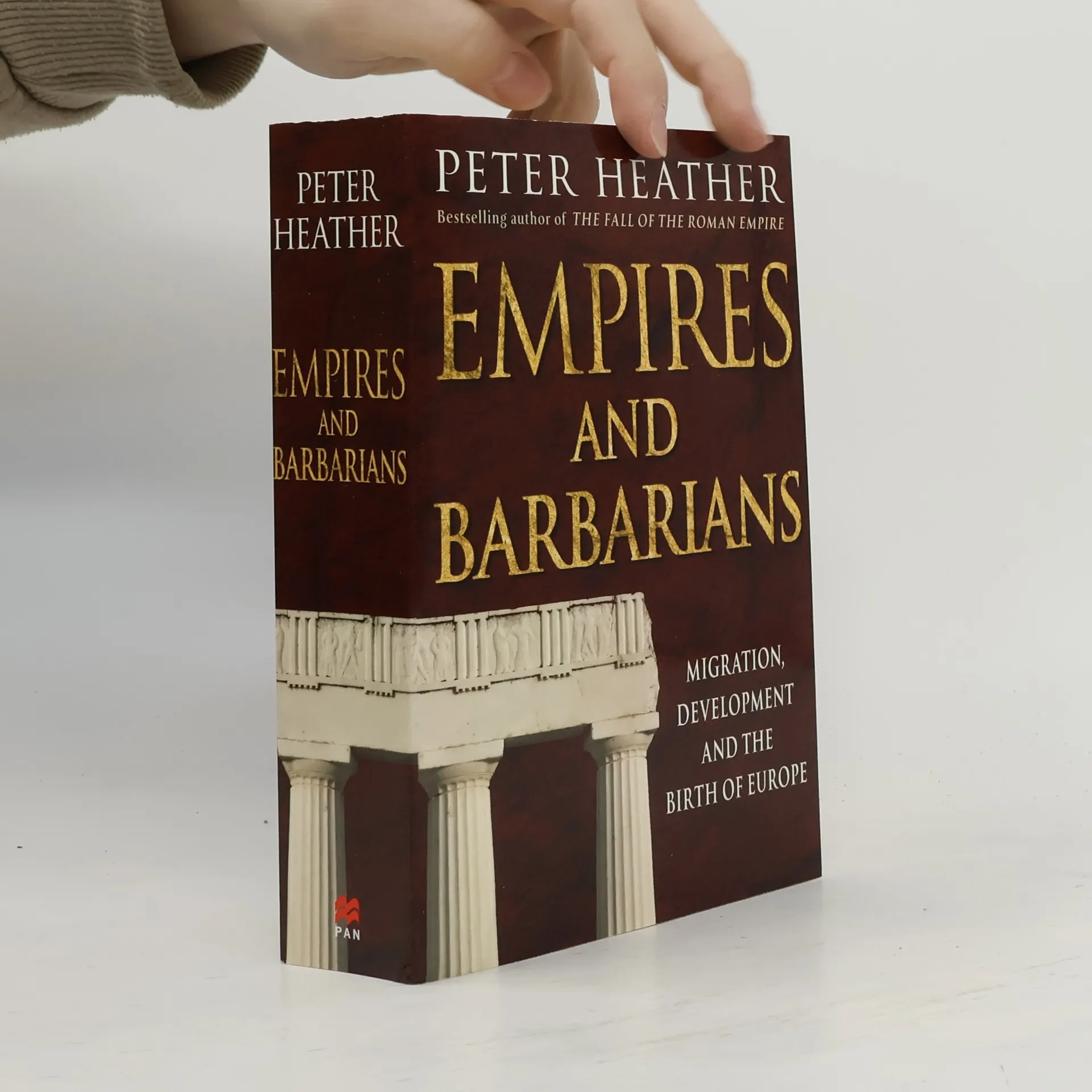
This work offers a fresh perspective on the emergence of a recognizable Europe in the first millennium AD. Peter Heather provides sharp insights into the dynamics of migration and social and economic interactions that transformed two distinct worlds—the undeveloped barbarian territories and the sophisticated Roman Empire—into similar societies and states. The narrative begins at the time of Christ, when the Mediterranean, united under Roman rule, showcased a politically advanced, economically prosperous, and culturally rich civilization, complete with philosophy, banking, professional armies, literature, impressive architecture, and even garbage collection. In contrast, the rest of Europe was inhabited by subsistence farmers in small groups, primarily Germanic speakers, who, despite possessing some iron tools, remained largely illiterate and constructed mainly wooden structures. As one moved eastward, societies became simpler, with fewer iron tools and less productive economies. However, by the end of the millennium, the European landscape had dramatically shifted. Slavic speakers had largely replaced Germanic speakers in central and Eastern Europe, literacy was on the rise, Christianity had spread, and Mediterranean dominance was challenged. This comprehensive account of first millennium European history reexamines the role of migration in shaping this transformation, drawing parallels to modern patterns of migration and glob



Zakup książki
Empires and Barbarians, Peter Heather
- Język

- Rok wydania
- 2010
- Oprawa
- (miękka)
Metody płatności
Brakuje nam tutaj Twojej recenzji.
- Tytuł
- Empires and Barbarians
- Podtytuł
- Migration, Development and the Birth of Europe
- Język
- angielski
- Autorzy
- Peter Heather
- Wydawca
- Pan
- Rok wydania
- 2010
- Oprawa
- miękka
- Liczba stron
- 734
- ISBN10
- 0330492551
- ISBN13
- 9780330492553
- Seria
- Kategorie
- Tagi
- Tematy historyczne, Tematy religijne, Tematy chrześcijańskie, Europa, Anglia, Średniowiecze, Starożytność, Historia Europy, Dania, Czechy, Bałkany, Germanie, Późna Antyk, Barbarzyńcy, Hunowie, Duńczycy
- Oryginalna nazwa
- Empires and barbarians
- Ocena
- 3,85 z 5
- Opis
- This work offers a fresh perspective on the emergence of a recognizable Europe in the first millennium AD. Peter Heather provides sharp insights into the dynamics of migration and social and economic interactions that transformed two distinct worlds—the undeveloped barbarian territories and the sophisticated Roman Empire—into similar societies and states. The narrative begins at the time of Christ, when the Mediterranean, united under Roman rule, showcased a politically advanced, economically prosperous, and culturally rich civilization, complete with philosophy, banking, professional armies, literature, impressive architecture, and even garbage collection. In contrast, the rest of Europe was inhabited by subsistence farmers in small groups, primarily Germanic speakers, who, despite possessing some iron tools, remained largely illiterate and constructed mainly wooden structures. As one moved eastward, societies became simpler, with fewer iron tools and less productive economies. However, by the end of the millennium, the European landscape had dramatically shifted. Slavic speakers had largely replaced Germanic speakers in central and Eastern Europe, literacy was on the rise, Christianity had spread, and Mediterranean dominance was challenged. This comprehensive account of first millennium European history reexamines the role of migration in shaping this transformation, drawing parallels to modern patterns of migration and glob