

Parametry
- 488 stron
- 18 godzin czytania
Więcej o książce
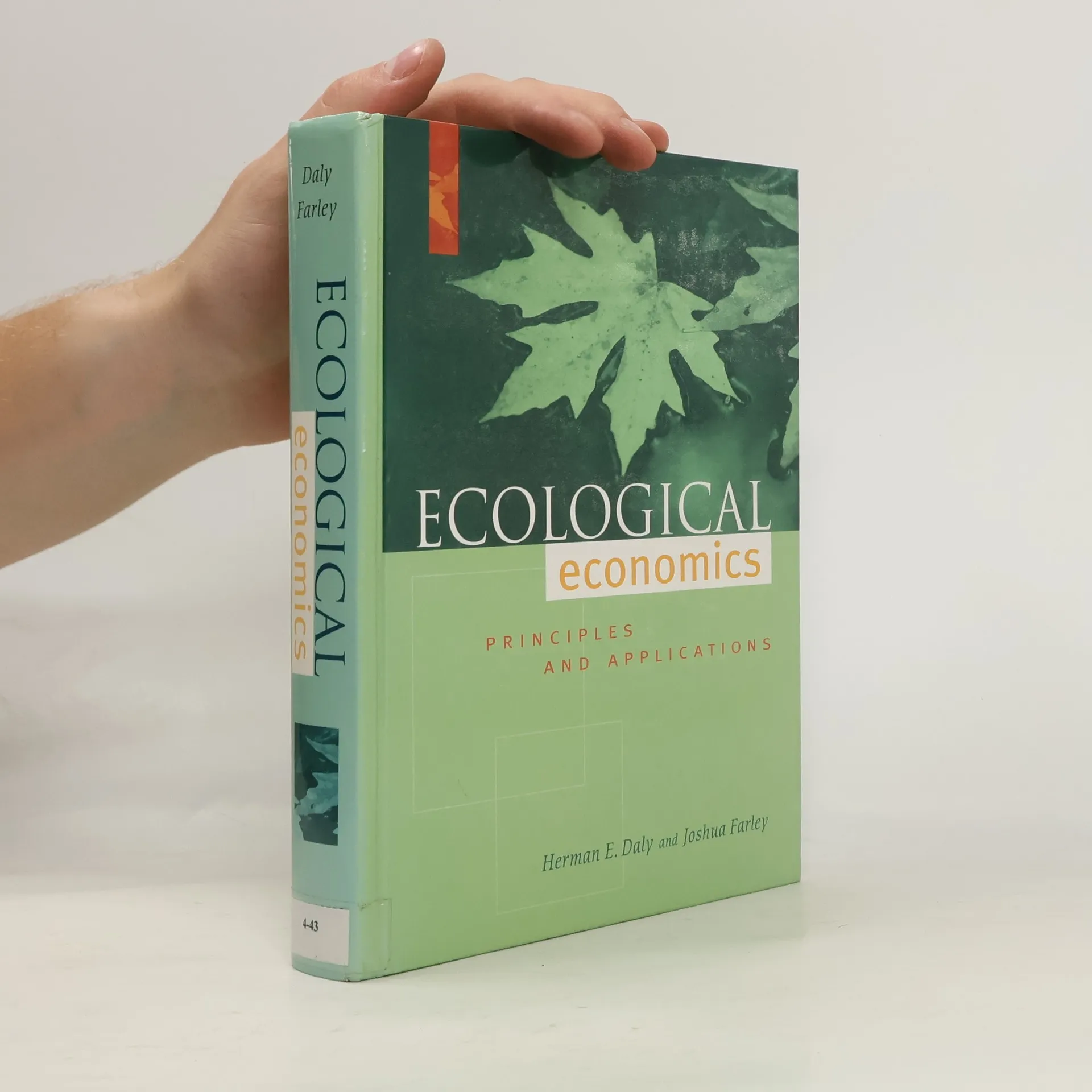
Conventional economics often overlooks the value of clean air, water, species diversity, and social equity, leading to inadequate analyses of human impacts and resource distribution. This introductory textbook addresses these shortcomings by defining a "transdiscipline" that integrates insights from biological, physical, and social sciences. It builds on traditional neoclassical economic thought while introducing an interdisciplinary framework that connects economic growth, environmental degradation, and social inequity. The focus is on three core issues: scale, distribution, and efficiency, guided by the fundamental question of what is truly important to us. The text explains the roles of the earth's biotic and abiotic resources in sustaining life and is organized around key areas of microeconomics, macroeconomics, and international economics, while also considering policy implications. Features such as over thirty text boxes, key term lists, concise definitions, study questions, a glossary, and further readings enhance accessibility. An accompanying workbook employs a problem-based learning approach. This stand-alone textbook uniquely combines theory and practice, making it essential for educating future economists and valuable for undergraduate and graduate courses in related fields.


Zakup książki
Ecological Economics, Herman E. Daly, Joshua Farley
- Język

- Rok wydania
- 2003
- Oprawa
- (twarda)
Metody płatności
Brakuje nam tutaj Twojej recenzji.
- Tytuł
- Ecological Economics
- Podtytuł
- Principles and Applications
- Język
- angielski
- Autorzy
- Herman E. Daly, Joshua Farley
- Wydawca
- Island Press
- Rok wydania
- 2003
- Oprawa
- twarda
- Liczba stron
- 488
- ISBN10
- 1559633123
- ISBN13
- 9781559633123
- Seria
- Kategorie
- Ocena
- 4,15 z 5
- Opis
- Conventional economics often overlooks the value of clean air, water, species diversity, and social equity, leading to inadequate analyses of human impacts and resource distribution. This introductory textbook addresses these shortcomings by defining a "transdiscipline" that integrates insights from biological, physical, and social sciences. It builds on traditional neoclassical economic thought while introducing an interdisciplinary framework that connects economic growth, environmental degradation, and social inequity. The focus is on three core issues: scale, distribution, and efficiency, guided by the fundamental question of what is truly important to us. The text explains the roles of the earth's biotic and abiotic resources in sustaining life and is organized around key areas of microeconomics, macroeconomics, and international economics, while also considering policy implications. Features such as over thirty text boxes, key term lists, concise definitions, study questions, a glossary, and further readings enhance accessibility. An accompanying workbook employs a problem-based learning approach. This stand-alone textbook uniquely combines theory and practice, making it essential for educating future economists and valuable for undergraduate and graduate courses in related fields.