



Więcej o książce
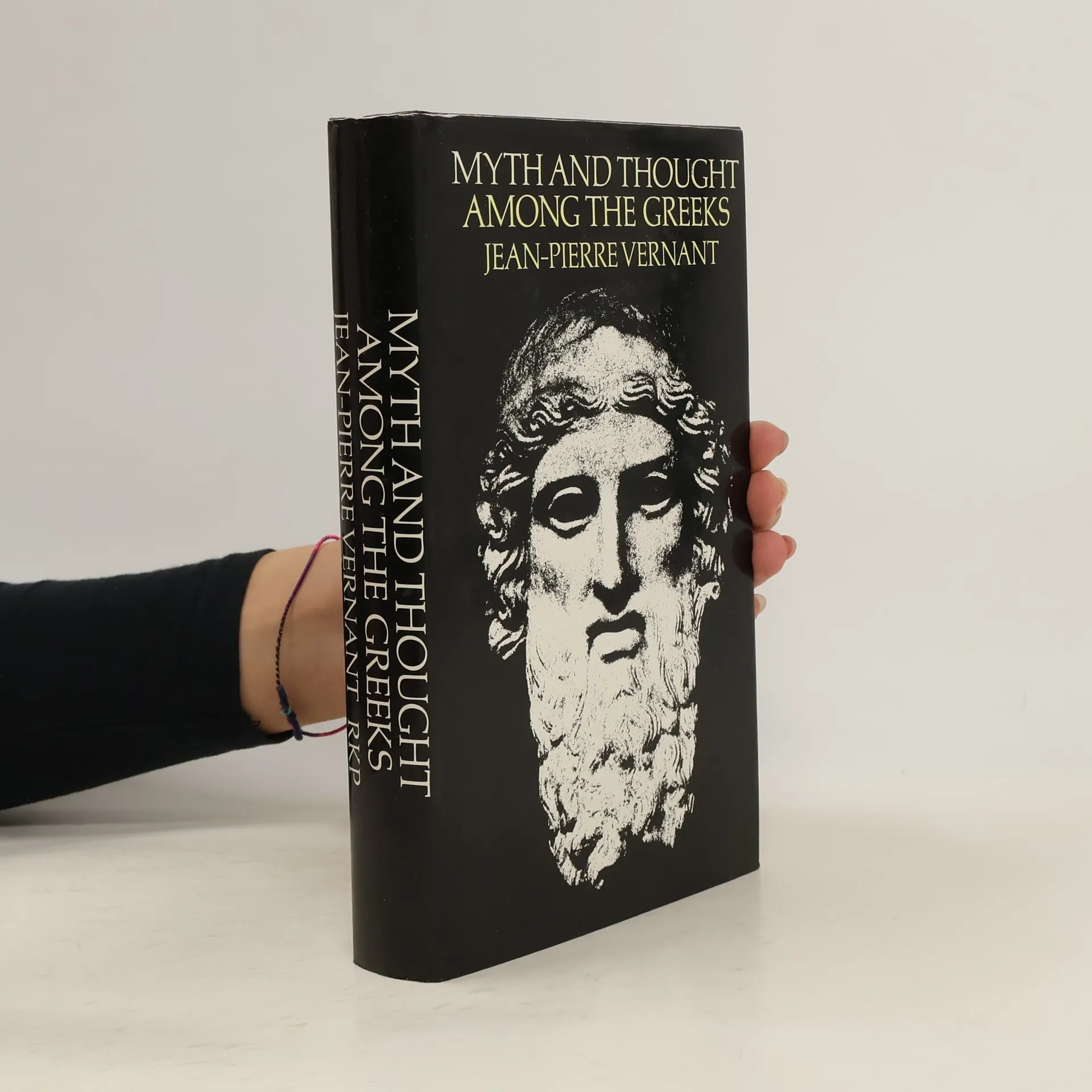
Myth and Thought among the Greeks, first published in 1965, presents a collection of early essays by the distinguished French anthropologist Jean-Pierre Vernant. Focussing on Hellenism from the perspective of historical psychology, he applies structuralist ideas to Greek culture and myth with the purpose of discerning the contours of the ancient Greek personality. Vernant develops a structuralist analysis of Hesiod s myth of the races, then goes on to examine aspects of memory and time. He investigates in detail the organisation of space and the development of the conception of space. Work and technological thought are discussed in an important section, which also covers the psychological category of the double, personal identity and religion, and the movement from mythical to rational thought. These essays represent a pioneering approach to the study of Greek myth, illuminating the obscure turning point which the psychology of Hellenism marks in the history of Western culture.



Zakup książki
Myth and Thought Among the Greeks, Jean Pierre Vernant
- Język

- Rok wydania
- 1983
- Oprawa
- (twarda)
Metody płatności
Brakuje nam tutaj Twojej recenzji.
- Tytuł
- Myth and Thought Among the Greeks
- Język
- angielski
- Autorzy
- Jean Pierre Vernant
- Wydawca
- Routledge & Kegan Paul
- Rok wydania
- 1983
- Oprawa
- twarda
- Liczba stron
- 382
- ISBN10
- 0710095449
- ISBN13
- 9780710095442
- Seria
- Ocena
- 4,25 z 5
- Opis
- Myth and Thought among the Greeks, first published in 1965, presents a collection of early essays by the distinguished French anthropologist Jean-Pierre Vernant. Focussing on Hellenism from the perspective of historical psychology, he applies structuralist ideas to Greek culture and myth with the purpose of discerning the contours of the ancient Greek personality. Vernant develops a structuralist analysis of Hesiod s myth of the races, then goes on to examine aspects of memory and time. He investigates in detail the organisation of space and the development of the conception of space. Work and technological thought are discussed in an important section, which also covers the psychological category of the double, personal identity and religion, and the movement from mythical to rational thought. These essays represent a pioneering approach to the study of Greek myth, illuminating the obscure turning point which the psychology of Hellenism marks in the history of Western culture.