

Więcej o książce
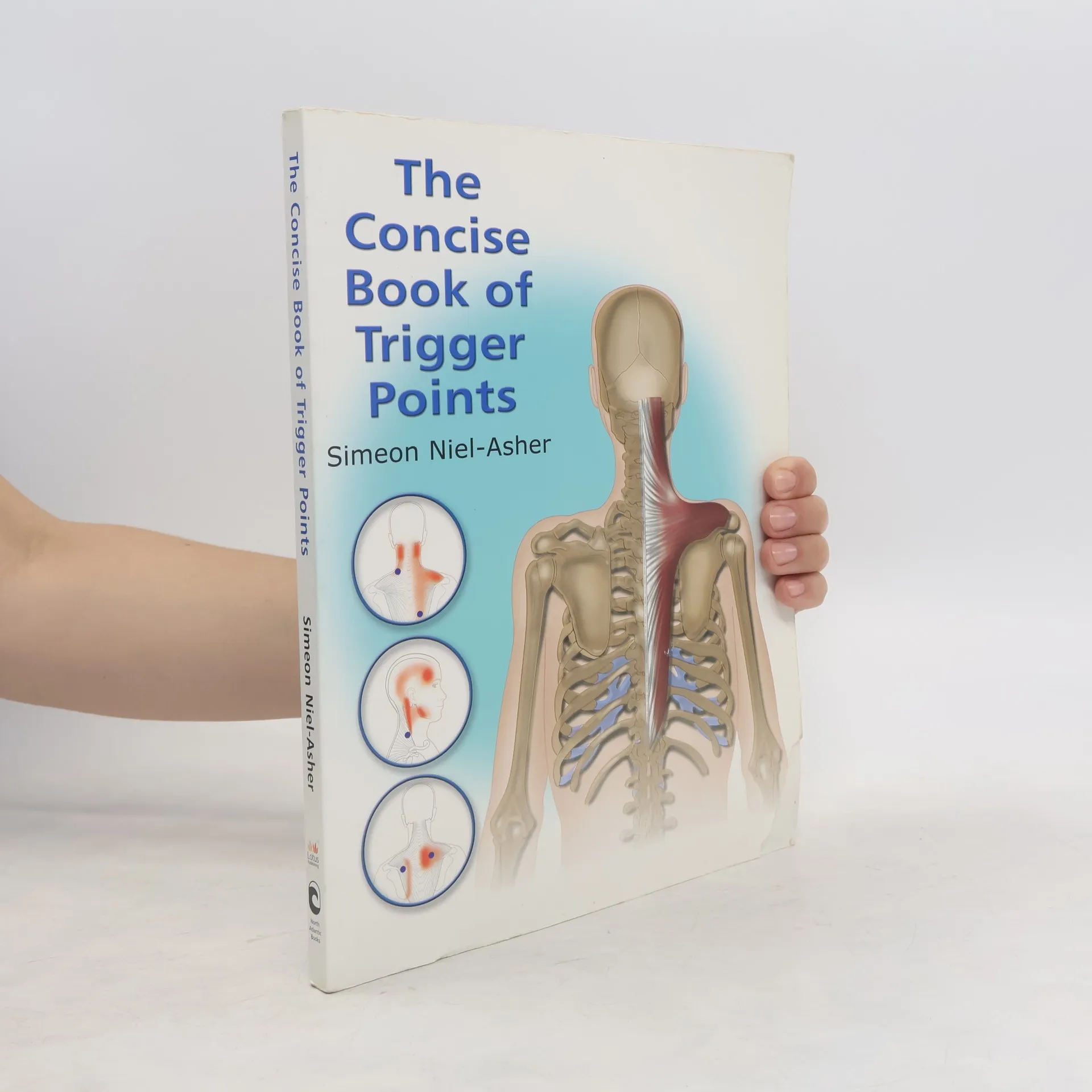
The Concise Book of Trigger Points has been written for the student and early practitioner of massage / bodywork, physical therapy, phsiotherapy, osteopathy, sports therapy and other health-related fields. Containing full-color illustrations, it is a compact reference guide and explains how to treat chronic pain through trigger points - tender, painful nodules that form in muscle fibers and connective tissues. The first four chapters provide a sound background to the physiology of trigger oints and the general methods of treatment. The following six chapters are organized by muscle groups; each two-page spread features detailed color illustrations of each major skeletal muscle and straightforward text identifying each muscle's origin, insertion, action and function. In addition, the author discusses the physiological implications of the trigger points in each muscle and techniques for treatment.



Zakup książki
The Concise Book of Trigger Points, Simeon Niel-Asher, Chris Jarmey
- Język

- Rok wydania
- 2005
- Oprawa
- (miękka)
Metody płatności
Brakuje nam tutaj Twojej recenzji.
- Tytuł
- The Concise Book of Trigger Points
- Język
- angielski
- Autorzy
- Simeon Niel-Asher, Chris Jarmey
- Wydawca
- Lotus Publishing
- Rok wydania
- 2005
- Oprawa
- miękka
- Liczba stron
- 160
- ISBN10
- 0954318854
- ISBN13
- 9780954318857
- Seria
- Kategorie
- Tagi
- Zdrowie & Medycyna, Zdrowie, Fitness
- Ocena
- 4,05 z 5
- Opis
- The Concise Book of Trigger Points has been written for the student and early practitioner of massage / bodywork, physical therapy, phsiotherapy, osteopathy, sports therapy and other health-related fields. Containing full-color illustrations, it is a compact reference guide and explains how to treat chronic pain through trigger points - tender, painful nodules that form in muscle fibers and connective tissues. The first four chapters provide a sound background to the physiology of trigger oints and the general methods of treatment. The following six chapters are organized by muscle groups; each two-page spread features detailed color illustrations of each major skeletal muscle and straightforward text identifying each muscle's origin, insertion, action and function. In addition, the author discusses the physiological implications of the trigger points in each muscle and techniques for treatment.