

Więcej o książce
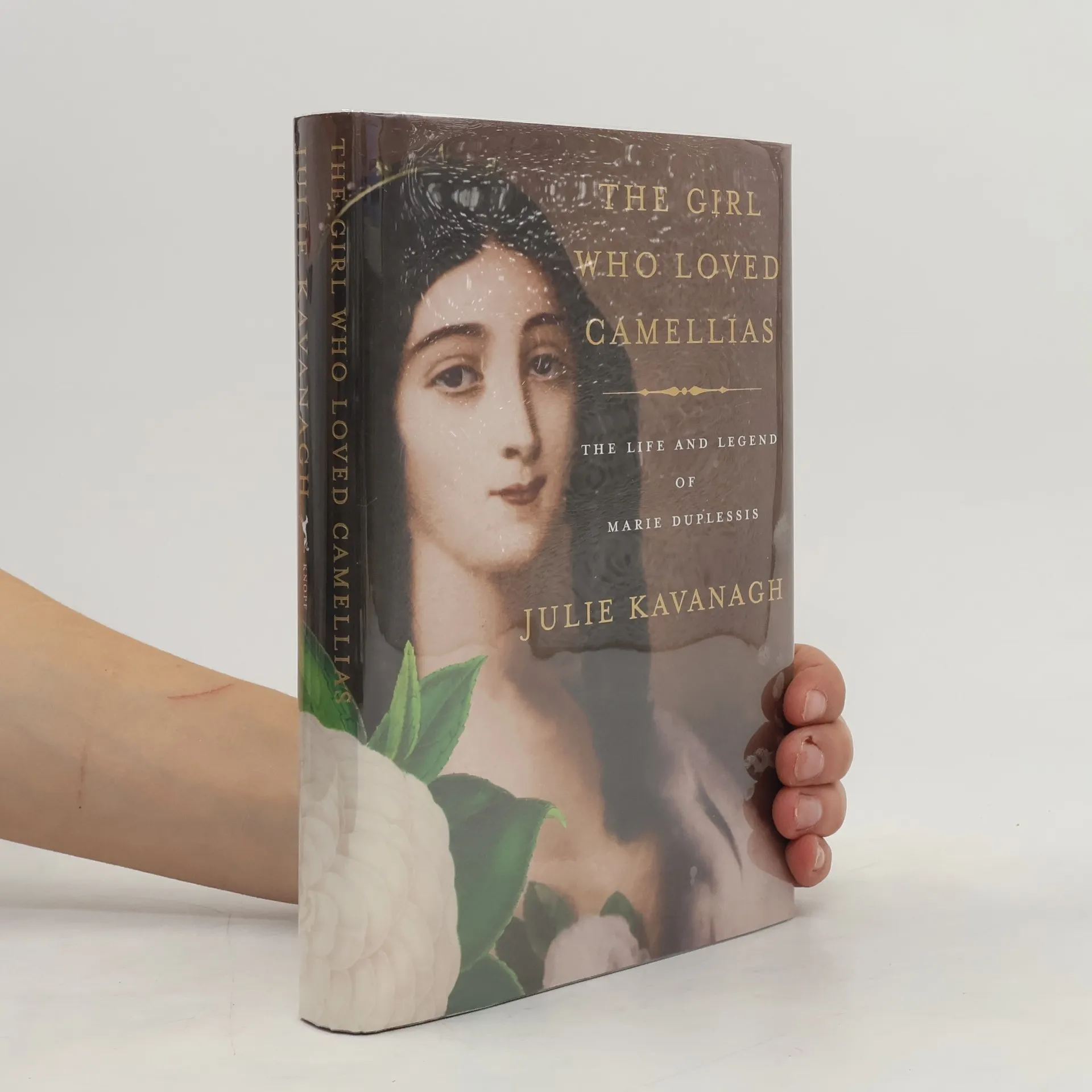
The little known, riveting story of the most famous courtesan of her time: muse and mistress of Alexandre Dumas fils and Franz Liszt, the inspiration for Dumas's The Lady of the Camellias and Verdi's La Traviata, one of the most sought after, adored women of 1840s Paris. Born in 1824 in Normandy, Marie Duplessis fled her brutal peasant father (who forced her to live with a man many years her senior). Julie Kavanagh traces Marie's reinvention in Paris at sixteen: as shop girl, kept woman, and finally, as grand courtesan with the clothes, apartment, coach and horses that an aristocratic woman of the time would have had. Tall, willowy, with dramatic dark hair, Marie acquired an aristocratic mien, but coupled with a singular modesty and grace, she was an irresistible figure to men and women alike. Kanavagh brings her to life on the page against a brilliantly evoked background of 1840s Paris: the theater and opera, the best tables at the cafés frequented by society figures, theater directors, writers, artists--and Marie, only nineteen, at the center of it all. Four years later, at twenty-three, she would be dead of tuberculosis.


Zakup książki
The Girl Who Loved Camellias, Julie Kavanagh
- Język

- Rok wydania
- 2013
- Oprawa
- (twarda)
Metody płatności
Brakuje nam tutaj Twojej recenzji.
- Tytuł
- The Girl Who Loved Camellias
- Podtytuł
- The Life and Legend of Marie Duplessis
- Język
- angielski
- Autorzy
- Julie Kavanagh
- Wydawca
- Knopf
- Rok wydania
- 2013
- Oprawa
- twarda
- Liczba stron
- 288
- ISBN10
- 0307270793
- ISBN13
- 9780307270795
- Seria
- Ocena
- 3,45 z 5
- Opis
- The little known, riveting story of the most famous courtesan of her time: muse and mistress of Alexandre Dumas fils and Franz Liszt, the inspiration for Dumas's The Lady of the Camellias and Verdi's La Traviata, one of the most sought after, adored women of 1840s Paris. Born in 1824 in Normandy, Marie Duplessis fled her brutal peasant father (who forced her to live with a man many years her senior). Julie Kavanagh traces Marie's reinvention in Paris at sixteen: as shop girl, kept woman, and finally, as grand courtesan with the clothes, apartment, coach and horses that an aristocratic woman of the time would have had. Tall, willowy, with dramatic dark hair, Marie acquired an aristocratic mien, but coupled with a singular modesty and grace, she was an irresistible figure to men and women alike. Kanavagh brings her to life on the page against a brilliantly evoked background of 1840s Paris: the theater and opera, the best tables at the cafés frequented by society figures, theater directors, writers, artists--and Marie, only nineteen, at the center of it all. Four years later, at twenty-three, she would be dead of tuberculosis.