



Więcej o książce
THE prominent civilized nations--the Babylonians and Egyptians, the Hebrews and Hindus, the Persians, the Greeks and the Romans, as well as the Teutons and others--all began at an early stage to glorify their national heroes--mythical princes and kings, founders of religions, dynasties, empires, or cities--in a number of poetic tales and legends. The history of the birth and of the early life of these personalities came to be especially invested with fantastic features, which in different nations--even though widely separated by space and entirely independent of each other--present a baffling similarity or, in part, a literal correspondence. Many investigators have long been impressed with this fact, and one of the chief problems of mythological research still consists in the elucidation of the reason for the extensive analogies in the fundamental outlines of mythical tales, which are rendered still more puzzling by the unanimity in certain details and their reappearance in most of the mythical groupings.


Zakup książki
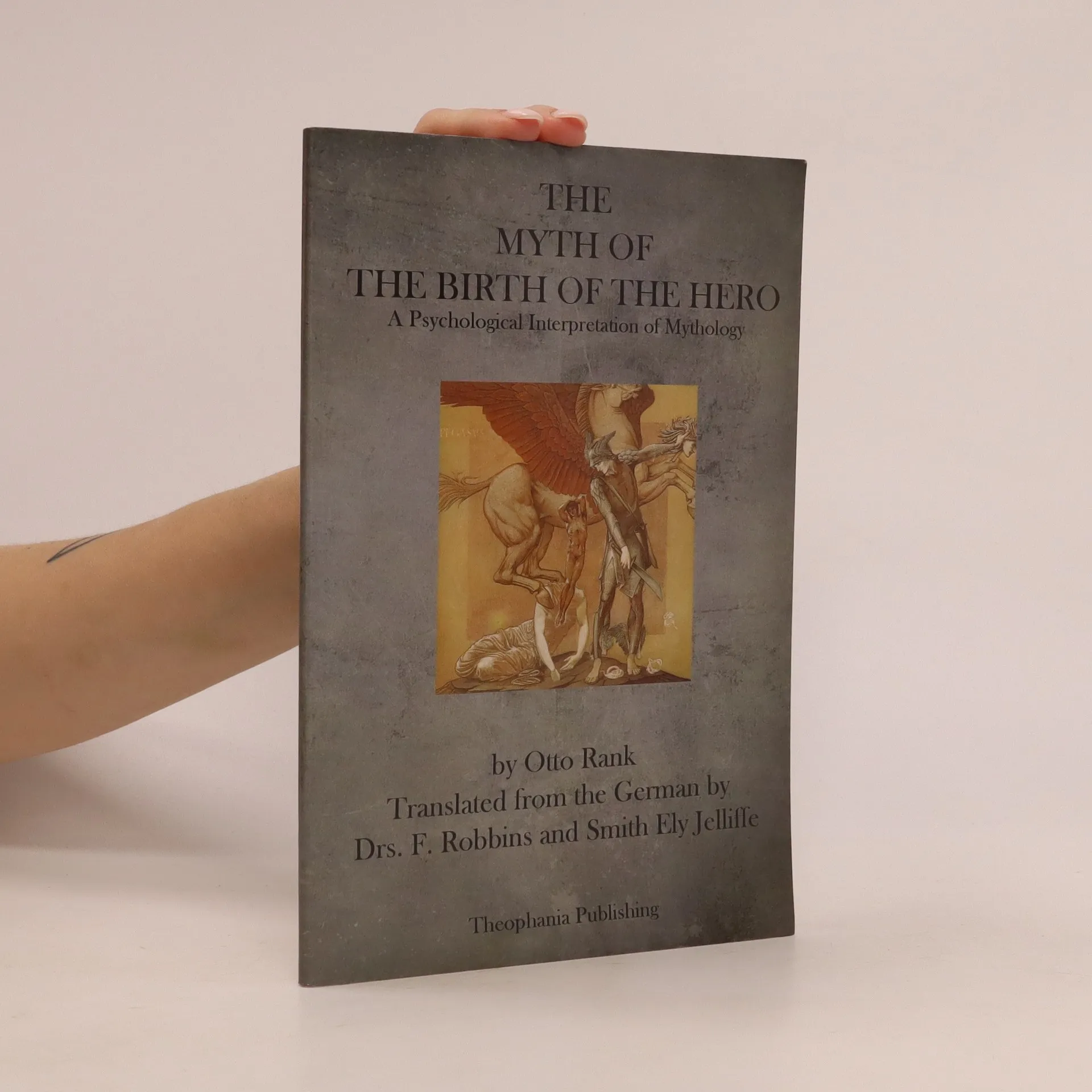
The myth of the birth of the hero, Otto Rank
- Język

- Rok wydania
- 2013
- Oprawa
- (miękka)
Metody płatności
Brakuje nam tutaj Twojej recenzji.
- Tytuł
- The myth of the birth of the hero
- Język
- angielski
- Autorzy
- Otto Rank
- Rok wydania
- 2013
- Oprawa
- miękka
- Liczba stron
- 88
- ISBN10
- 1484919734
- ISBN13
- 9781484919736
- Seria
- Oryginalna nazwa
- Der Mythus von der Geburt des Helden
- Ocena
- 3,75 z 5
- Opis
- THE prominent civilized nations--the Babylonians and Egyptians, the Hebrews and Hindus, the Persians, the Greeks and the Romans, as well as the Teutons and others--all began at an early stage to glorify their national heroes--mythical princes and kings, founders of religions, dynasties, empires, or cities--in a number of poetic tales and legends. The history of the birth and of the early life of these personalities came to be especially invested with fantastic features, which in different nations--even though widely separated by space and entirely independent of each other--present a baffling similarity or, in part, a literal correspondence. Many investigators have long been impressed with this fact, and one of the chief problems of mythological research still consists in the elucidation of the reason for the extensive analogies in the fundamental outlines of mythical tales, which are rendered still more puzzling by the unanimity in certain details and their reappearance in most of the mythical groupings.