


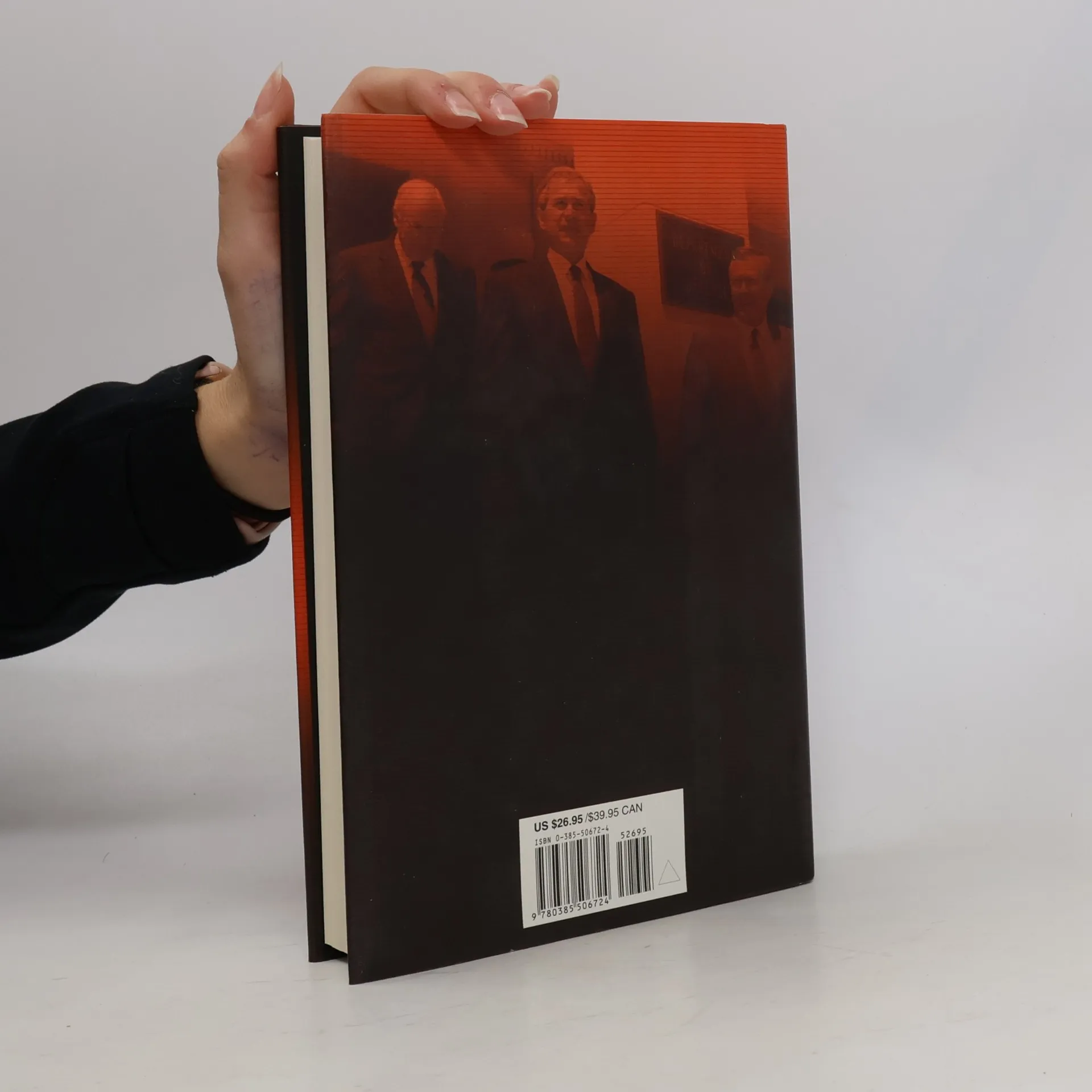

A Pretext for War
9/11, Iraq, and the Abuse of America's Intelligence Agencies
Autorzy
Ocena książki
Parametry
- 420 stron
- 15 godzin czytania
Więcej o książce
The bestselling author of "Body of Secrets" and "The Puzzle Palace" delivers a hard-hitting account of the failures of America's intelligence agencies and the Bush administration's efforts to sell a war to the public. In previous works, he revealed the existence of the NSA and explored its history. Now, he channels his investigative prowess and access to intelligence sources to address pressing contemporary issues. Bamford critiques the mishandling of pre-9/11 threats and the unfounded claims regarding Iraq's weapons of mass destruction, arguing that the Bush administration manipulated the intelligence community for political gain, jeopardizing American security. He contends that the administration's Middle East policies, including the overthrow of Saddam and neglect of the Palestinian situation, stem from the beliefs of a conservative elite. The book examines the systemic weaknesses that led to the intelligence community's failure to recognize the evidence of the 9/11 attacks, particularly the overlooked significance of the Palestinian cause in fueling Arab anger toward the U.S. Following 9/11, the administration's immediate push for war in Iraq and subsequent justifications have left the U.S. more vulnerable to terrorism. This work serves as an unprecedented expose of one of the most secretive administrations in history.
Wydanie

Zakup książki
A Pretext for War, James Bamford
- Język

- Rok wydania
- 2004
- Oprawa
- (twarda)
Metody płatności
Brakuje nam tutaj Twojej recenzji.
- Tytuł
- A Pretext for War
- Podtytuł
- 9/11, Iraq, and the Abuse of America's Intelligence Agencies
- Język
- angielski
- Autorzy
- James Bamford
- Wydawca
- Doubleday
- Rok wydania
- 2004
- Oprawa
- twarda
- Liczba stron
- 420
- ISBN10
- 0385506724
- ISBN13
- 9780385506724
- Seria
- Kategorie
- Ocena
- 3,9 z 5
- Opis
- The bestselling author of "Body of Secrets" and "The Puzzle Palace" delivers a hard-hitting account of the failures of America's intelligence agencies and the Bush administration's efforts to sell a war to the public. In previous works, he revealed the existence of the NSA and explored its history. Now, he channels his investigative prowess and access to intelligence sources to address pressing contemporary issues. Bamford critiques the mishandling of pre-9/11 threats and the unfounded claims regarding Iraq's weapons of mass destruction, arguing that the Bush administration manipulated the intelligence community for political gain, jeopardizing American security. He contends that the administration's Middle East policies, including the overthrow of Saddam and neglect of the Palestinian situation, stem from the beliefs of a conservative elite. The book examines the systemic weaknesses that led to the intelligence community's failure to recognize the evidence of the 9/11 attacks, particularly the overlooked significance of the Palestinian cause in fueling Arab anger toward the U.S. Following 9/11, the administration's immediate push for war in Iraq and subsequent justifications have left the U.S. more vulnerable to terrorism. This work serves as an unprecedented expose of one of the most secretive administrations in history.