

Więcej o książce
Money is fundamentally a claim to wealth, with individuals holding it as a receipt for that wealth. Wealth takes various forms, and the type used to issue money as collateral shapes the currency's nature. Currency, a widely accepted form of wealth, is ultimately the product of human labor. Throughout 5,000 years of civilization, over 2,000 commodities have served as currency, but gold and silver emerged as the ultimate representations of wealth, recognized across regions, civilizations, and religions. At this point, gold and silver embody both the claim to wealth and the wealth itself. Despite the gradual fading of awareness regarding gold backing paper money, gold limits the over-issuance of receipts. An excess of receipts eventually leads to a renewed interest in the gold they represent. Bankers, who establish the rules of the money system, often prefer not to use gold as collateral due to its inability to satisfy the inflationary desires of paper money or generate interest income. The allure of replacing gold with an endlessly viable asset became evident after 1971, when the demonetization of gold was imposed by the architects of the monetary system. This shift marked the introduction of a new form of sovereign credit money, fundamentally altering the landscape of currency and wealth.


Zakup książki
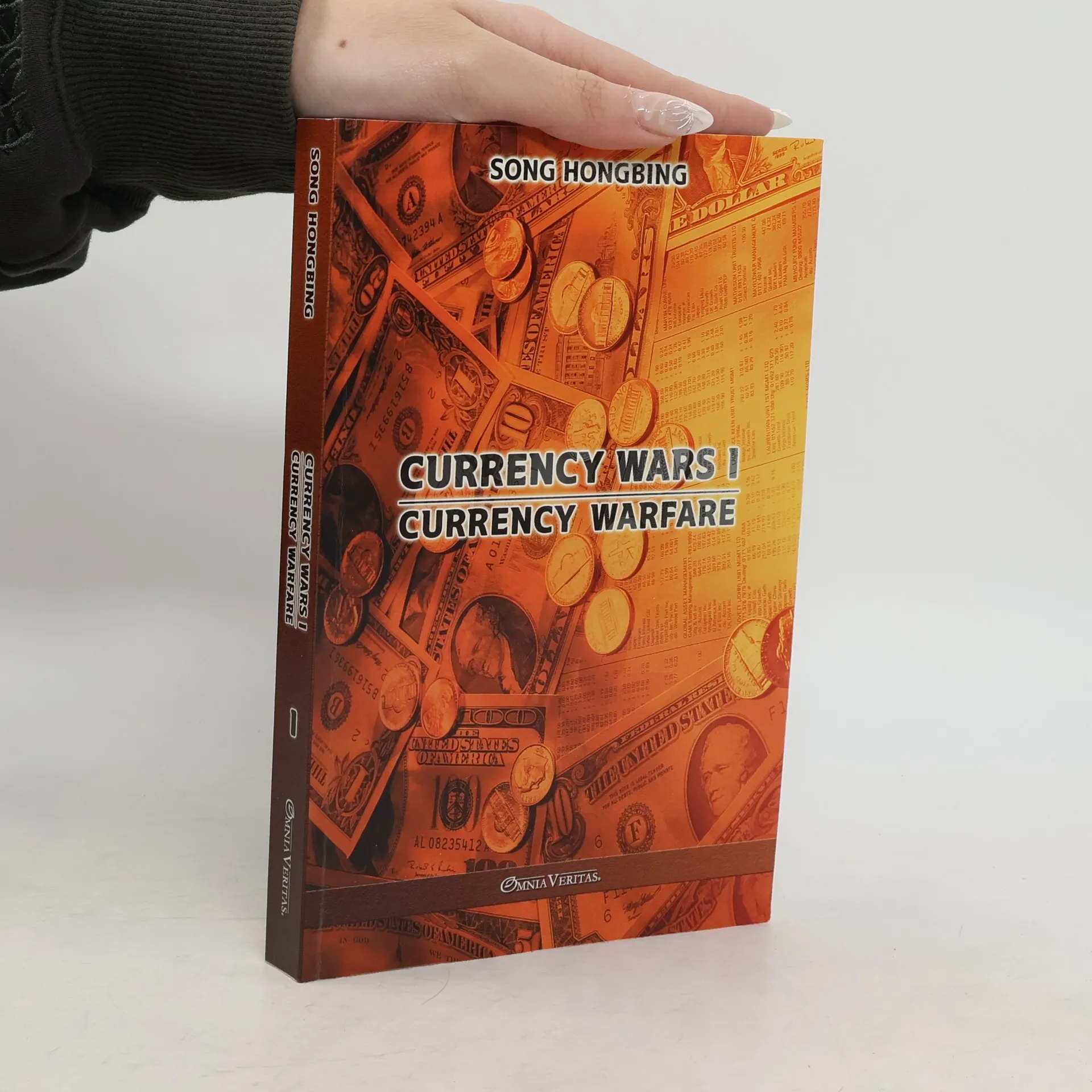
Currency Wars I, Hongbing Song
- Język

- Rok wydania
- 2021
- Oprawa
- (miękka)
Metody płatności
Brakuje nam tutaj Twojej recenzji.
- Tytuł
- Currency Wars I
- Podtytuł
- Currency Warfare
- Język
- angielski
- Autorzy
- Hongbing Song
- Wydawca
- Omnia Veritas Ltd
- Rok wydania
- 2021
- Oprawa
- miękka
- Liczba stron
- 366
- ISBN10
- 1913890589
- ISBN13
- 9781913890582
- Seria
- Tagi
- Tematy historyczne, Biznes
- Ocena
- 4,2 z 5
- Opis
- Money is fundamentally a claim to wealth, with individuals holding it as a receipt for that wealth. Wealth takes various forms, and the type used to issue money as collateral shapes the currency's nature. Currency, a widely accepted form of wealth, is ultimately the product of human labor. Throughout 5,000 years of civilization, over 2,000 commodities have served as currency, but gold and silver emerged as the ultimate representations of wealth, recognized across regions, civilizations, and religions. At this point, gold and silver embody both the claim to wealth and the wealth itself. Despite the gradual fading of awareness regarding gold backing paper money, gold limits the over-issuance of receipts. An excess of receipts eventually leads to a renewed interest in the gold they represent. Bankers, who establish the rules of the money system, often prefer not to use gold as collateral due to its inability to satisfy the inflationary desires of paper money or generate interest income. The allure of replacing gold with an endlessly viable asset became evident after 1971, when the demonetization of gold was imposed by the architects of the monetary system. This shift marked the introduction of a new form of sovereign credit money, fundamentally altering the landscape of currency and wealth.