


Parametry
- 258 stron
- 10 godzin czytania
Więcej o książce
Freedom, in Philip Pettit's provocative analysis, requires more than just being let alone. In Just Freedom, a succinct articulation of the republican philosophy for which he is renowned, Pettit builds a theory of universal freedom as nondomination. Seen through this lens, even societies that consider themselves free may find their political arrangements lacking. Do those arrangements protect people's liberties equally? Are they subject to the equally shared control of those they protect? Do they allow the different peoples of the world to live in equal freedom? With elegant, user-friendly tests of freedom--the eyeball test, the tough luck test, and the straight talk test--Pettit addresses these questions, laying out essential yardsticks for policymakers and concerned citizens alike. An invitation to join in a program that would better articulate and realize justice in our social, democratic, and international lives, Just Freedom offers readers an essential starting place for the world's thorniest problems.

Zakup książki
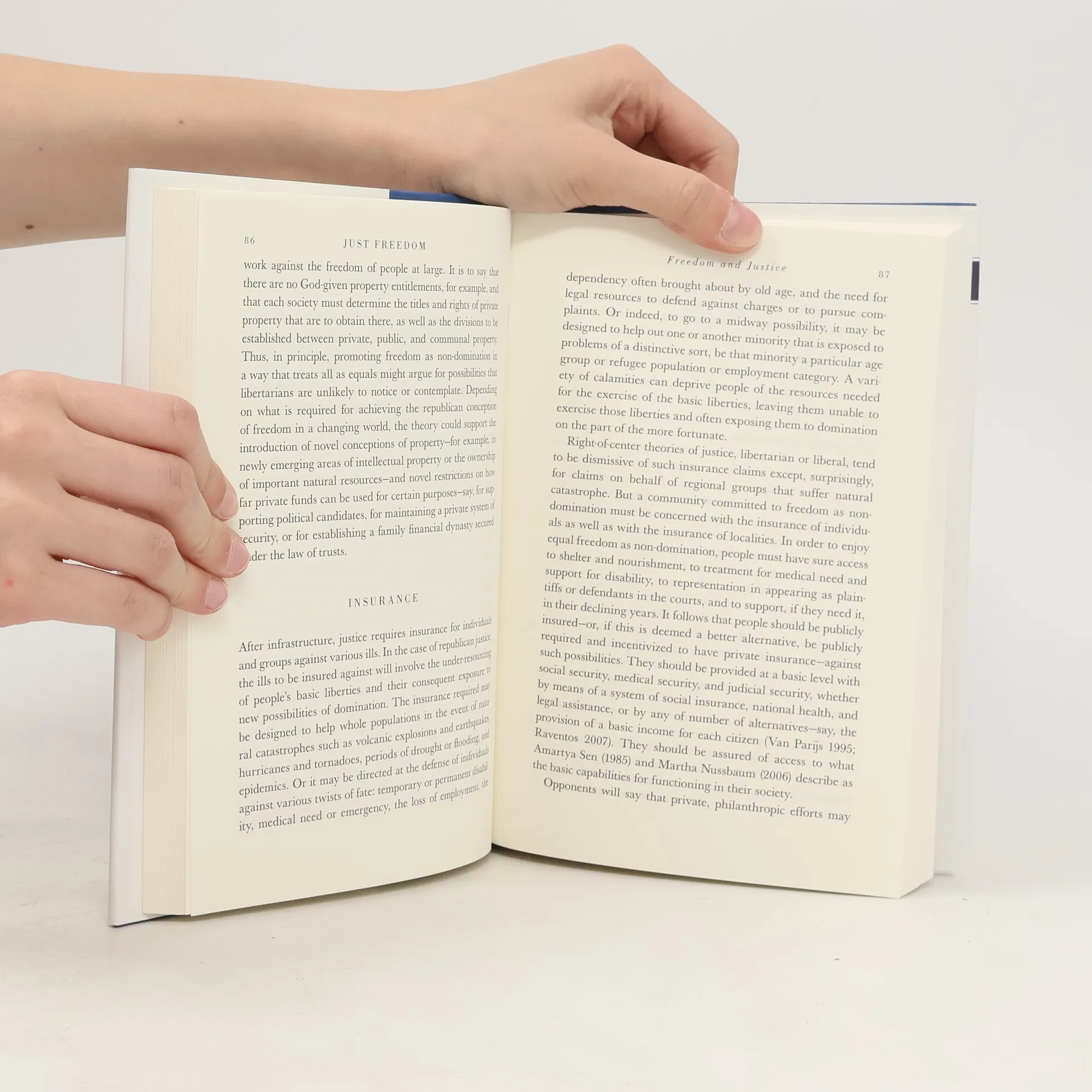
Just freedom: a moral compass for a complex world, Philip Pettit
- Język

- Rok wydania
- 2014
- Oprawa
- (twarda)
Metody płatności
Brakuje nam tutaj Twojej recenzji.
- Tytuł
- Just freedom: a moral compass for a complex world
- Język
- angielski
- Autorzy
- Philip Pettit
- Wydawca
- W. W. Norton & Company
- Rok wydania
- 2014
- Oprawa
- twarda
- Liczba stron
- 258
- ISBN10
- 0393063976
- ISBN13
- 9780393063974
- Seria
- Kolekcja
- The Norton global ethics series
- Kategorie
- Oryginalna nazwa
- Just freedom
- Ocena
- 3,75 z 5
- Opis
- Freedom, in Philip Pettit's provocative analysis, requires more than just being let alone. In Just Freedom, a succinct articulation of the republican philosophy for which he is renowned, Pettit builds a theory of universal freedom as nondomination. Seen through this lens, even societies that consider themselves free may find their political arrangements lacking. Do those arrangements protect people's liberties equally? Are they subject to the equally shared control of those they protect? Do they allow the different peoples of the world to live in equal freedom? With elegant, user-friendly tests of freedom--the eyeball test, the tough luck test, and the straight talk test--Pettit addresses these questions, laying out essential yardsticks for policymakers and concerned citizens alike. An invitation to join in a program that would better articulate and realize justice in our social, democratic, and international lives, Just Freedom offers readers an essential starting place for the world's thorniest problems.