

Parametry
- 400 stron
- 14 godzin czytania
Więcej o książce
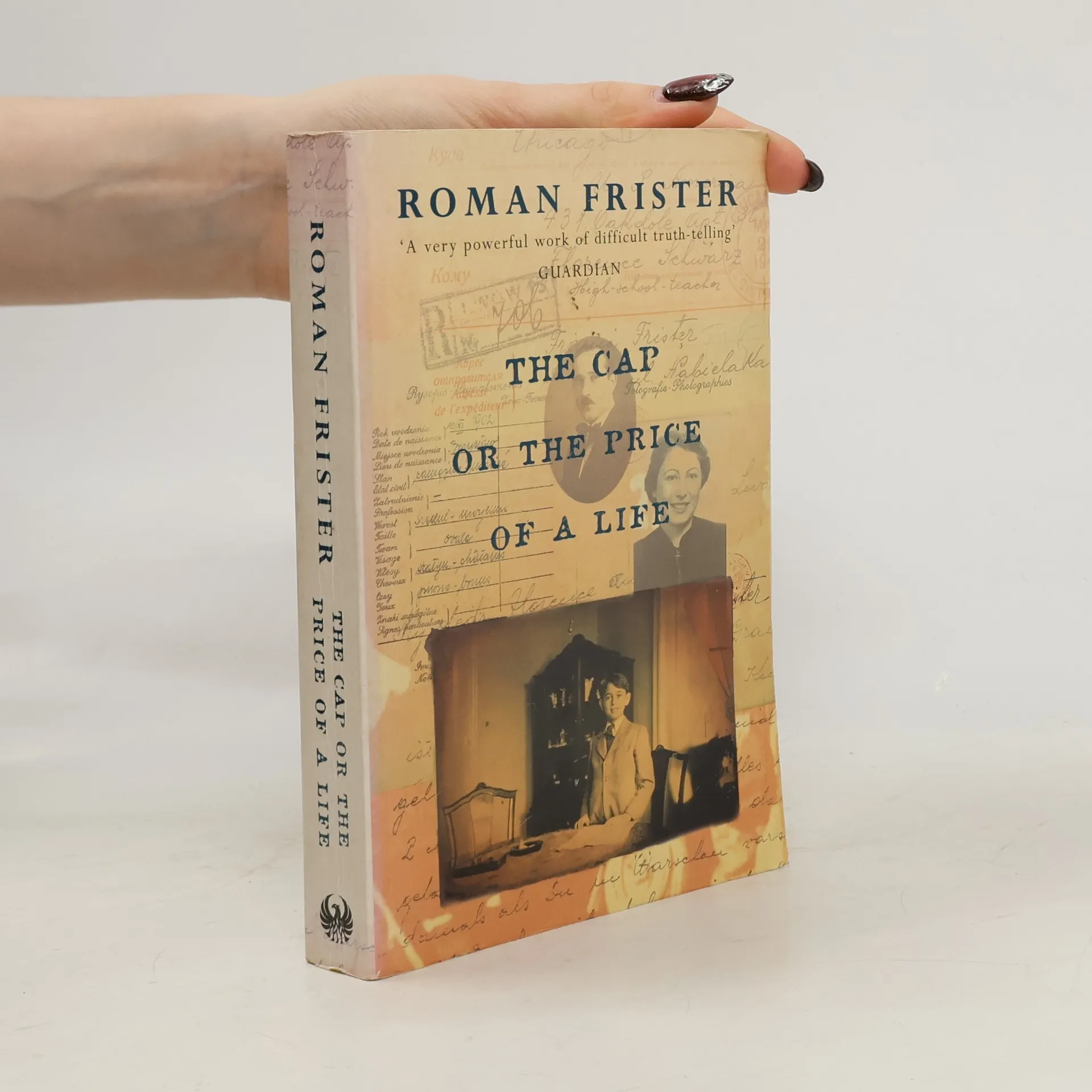
"The path to freedom from self-destructive qualms ran over the corpses of those nobler than you," Roman Frister writes in his bone-chilling autobiography. Moving between his childhood in Silesia, adolescence in Nazi concentration camps, postwar career as a journalist in Communist Poland and later in Israel (to which he emigrated in 1957), Frister's nonchronological narrative is carefully structured to slowly reveal the Holocaust's devastating impact on an individual life. Young Roman watches a German officer kill his mother with a single blow, then is forced to lie on her cooling corpse; at 15, he sits by his dying father's bed, thinking only of the half-loaf of bread underneath it: "I was afraid it might crumble before he stopped breathing." Frister does nothing to soften such horrific experiences, nor does he share his emotions. Yet readers will sense the author is not unfeeling, but rather in a state of profound moral shock that endures to scar his adult existence. The "thick layer of callousness" he wrapped around himself in the camps may seem to enfold him still, but it's peeled away by his ferocious passion for truth, however unsavory. As a colleague tells Frister after reading his account of saving his own life by stealing the cap of a fellow prisoner (who was shot), "You've demonstrated what honesty means." --Wendy Smith




Zakup książki
The Cap, Roman Frister
- Język

- Rok wydania
- 1999
- Oprawa
- (miękka)
Metody płatności
Brakuje nam tutaj Twojej recenzji.
- Tytuł
- The Cap
- Podtytuł
- Or the Price of a Life
- Język
- angielski
- Autorzy
- Roman Frister
- Rok wydania
- 1999
- Oprawa
- miękka
- Liczba stron
- 400
- ISBN10
- 0753810964
- ISBN13
- 9780753810965
- Seria
- Kategorie
- Tagi
- Tematy historyczne, Przyjaźń, Niemcy, II Wojna Światowa, Żydzi, Emocje, Holokaust, Izrael, Teraźniejszość, Dziennikarze, Obozy koncentracyjne, Getto
- Pierwsze wydanie
- 1897
- Oryginalna nazwa
- Der kleine Herr Friedemann
- Ocena
- 4,1 z 5
- Opis
- "The path to freedom from self-destructive qualms ran over the corpses of those nobler than you," Roman Frister writes in his bone-chilling autobiography. Moving between his childhood in Silesia, adolescence in Nazi concentration camps, postwar career as a journalist in Communist Poland and later in Israel (to which he emigrated in 1957), Frister's nonchronological narrative is carefully structured to slowly reveal the Holocaust's devastating impact on an individual life. Young Roman watches a German officer kill his mother with a single blow, then is forced to lie on her cooling corpse; at 15, he sits by his dying father's bed, thinking only of the half-loaf of bread underneath it: "I was afraid it might crumble before he stopped breathing." Frister does nothing to soften such horrific experiences, nor does he share his emotions. Yet readers will sense the author is not unfeeling, but rather in a state of profound moral shock that endures to scar his adult existence. The "thick layer of callousness" he wrapped around himself in the camps may seem to enfold him still, but it's peeled away by his ferocious passion for truth, however unsavory. As a colleague tells Frister after reading his account of saving his own life by stealing the cap of a fellow prisoner (who was shot), "You've demonstrated what honesty means." --Wendy Smith