

Więcej o książce
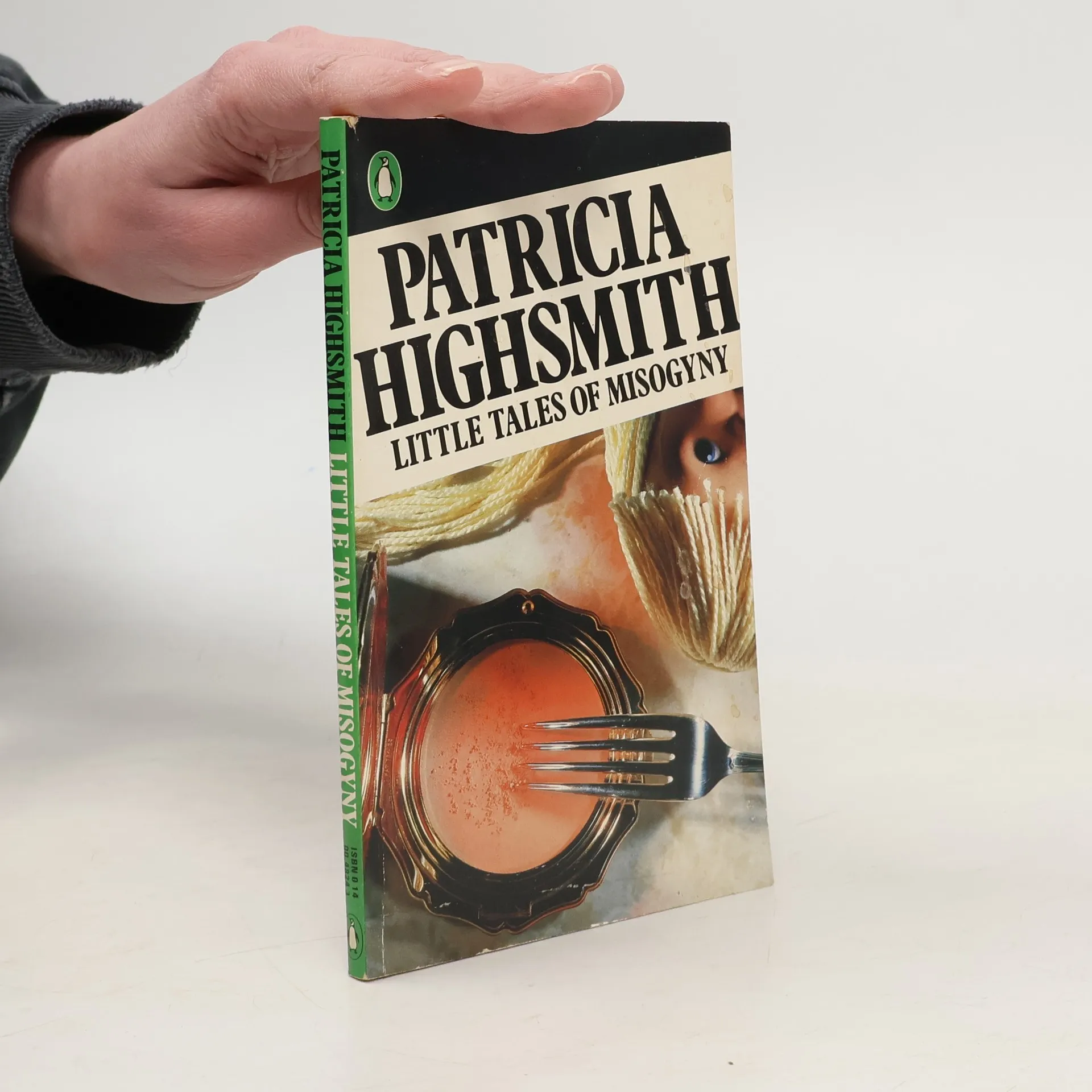
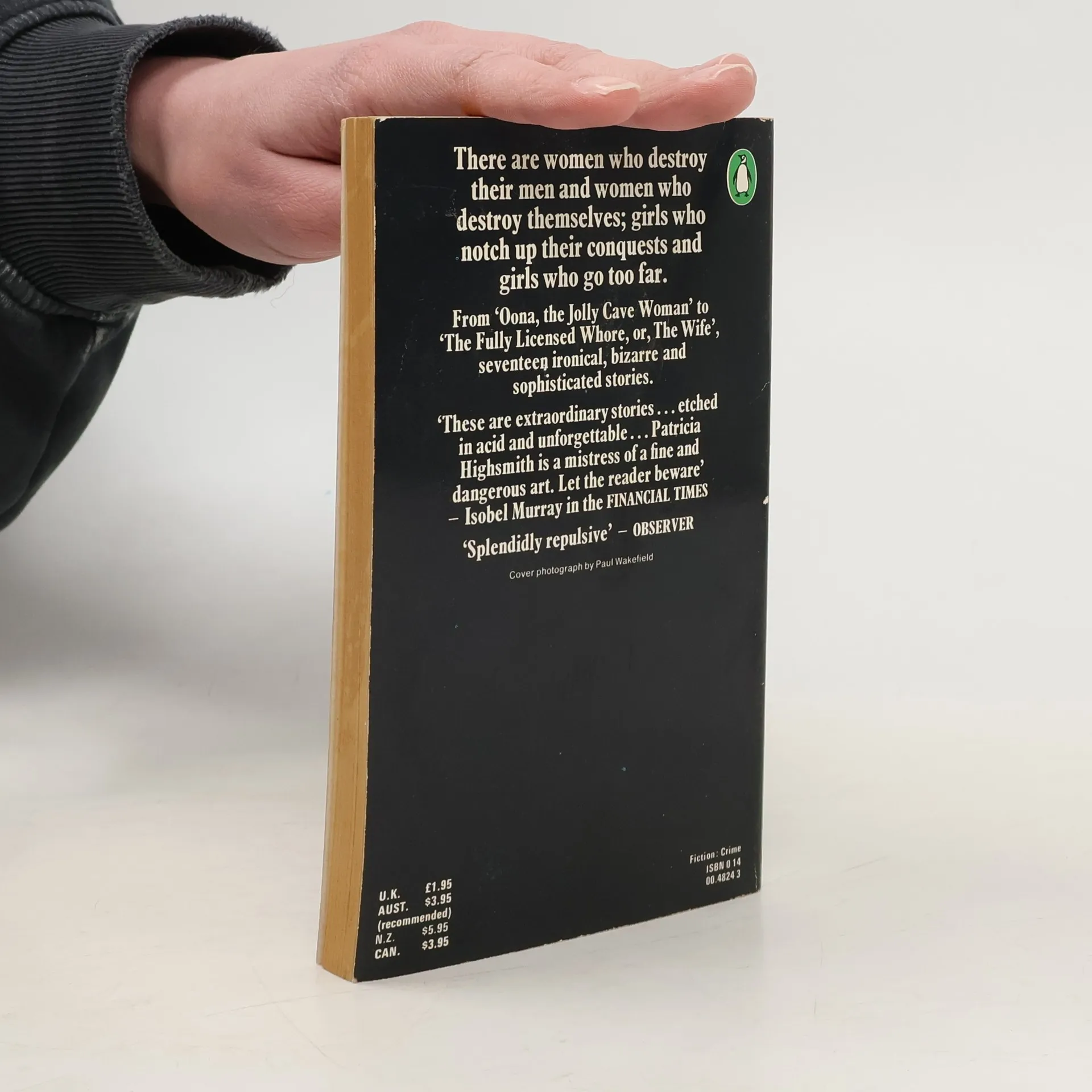
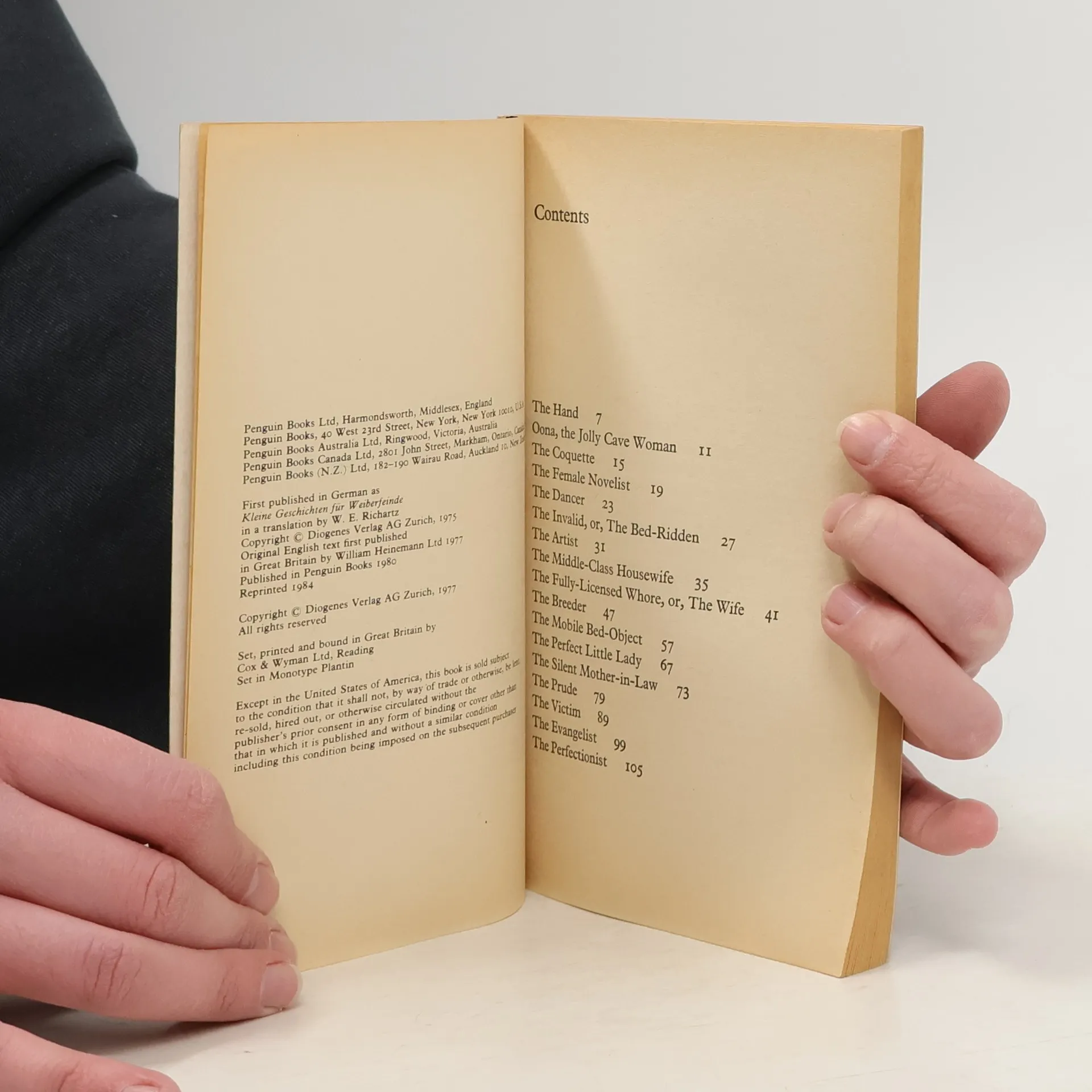
There are women who destroy their men and women who destroy themselves; girls who notch up their conquests and girls who go too far. From 'Oona, the Jolly Cave Woman' to 'The Fully Licensed Whore, or, The Wife', seventeen ironical, bizarre and sophisticated stories. With an eerie simplicity of style, Highsmith turns our next-door neighbors into sadistic psychopaths, lying in wait among white picket fences and manicured lawns. In the darkly satiric, often mordantly hilarious sketches that make up Little Tales of Misogyny, Highsmith upsets our conventional notions of female character, revealing the devastating power of these once familiar creatures"The Dancer," "The Female Novelist," "The Prude"who destroy both themselves and the men around them. This work attesets to Highsmith's reputation as "the poet of apprehension" (Graham Greene).




Zakup książki
Little Tales of Misogyny, Patricia Highsmith
- Język

- Rok wydania
- 1984
- Oprawa
- (miękka)
Metody płatności
Brakuje nam tutaj Twojej recenzji.
- Tytuł
- Little Tales of Misogyny
- Język
- angielski
- Autorzy
- Patricia Highsmith
- Wydawca
- Penguin Books, Limited
- Rok wydania
- 1984
- Oprawa
- miękka
- Liczba stron
- 144
- ISBN10
- 0140048243
- ISBN13
- 9780140048247
- Seria
- Kategorie
- Tagi
- Tematy historyczne, Kryminały & Sensacja, Humor, Zbiory, antologie, Opowiadania, Z dreszczykiem, USA, XX wiek, Literatura amerykańska, Zabawa, Feminizm, Wybór z dzieł, Czarny humor
- Oryginalna nazwa
- Little tales of misogyny
- Ocena
- 3,55 z 5
- Opis
- There are women who destroy their men and women who destroy themselves; girls who notch up their conquests and girls who go too far. From 'Oona, the Jolly Cave Woman' to 'The Fully Licensed Whore, or, The Wife', seventeen ironical, bizarre and sophisticated stories. With an eerie simplicity of style, Highsmith turns our next-door neighbors into sadistic psychopaths, lying in wait among white picket fences and manicured lawns. In the darkly satiric, often mordantly hilarious sketches that make up Little Tales of Misogyny, Highsmith upsets our conventional notions of female character, revealing the devastating power of these once familiar creatures"The Dancer," "The Female Novelist," "The Prude"who destroy both themselves and the men around them. This work attesets to Highsmith's reputation as "the poet of apprehension" (Graham Greene).