


Więcej o książce
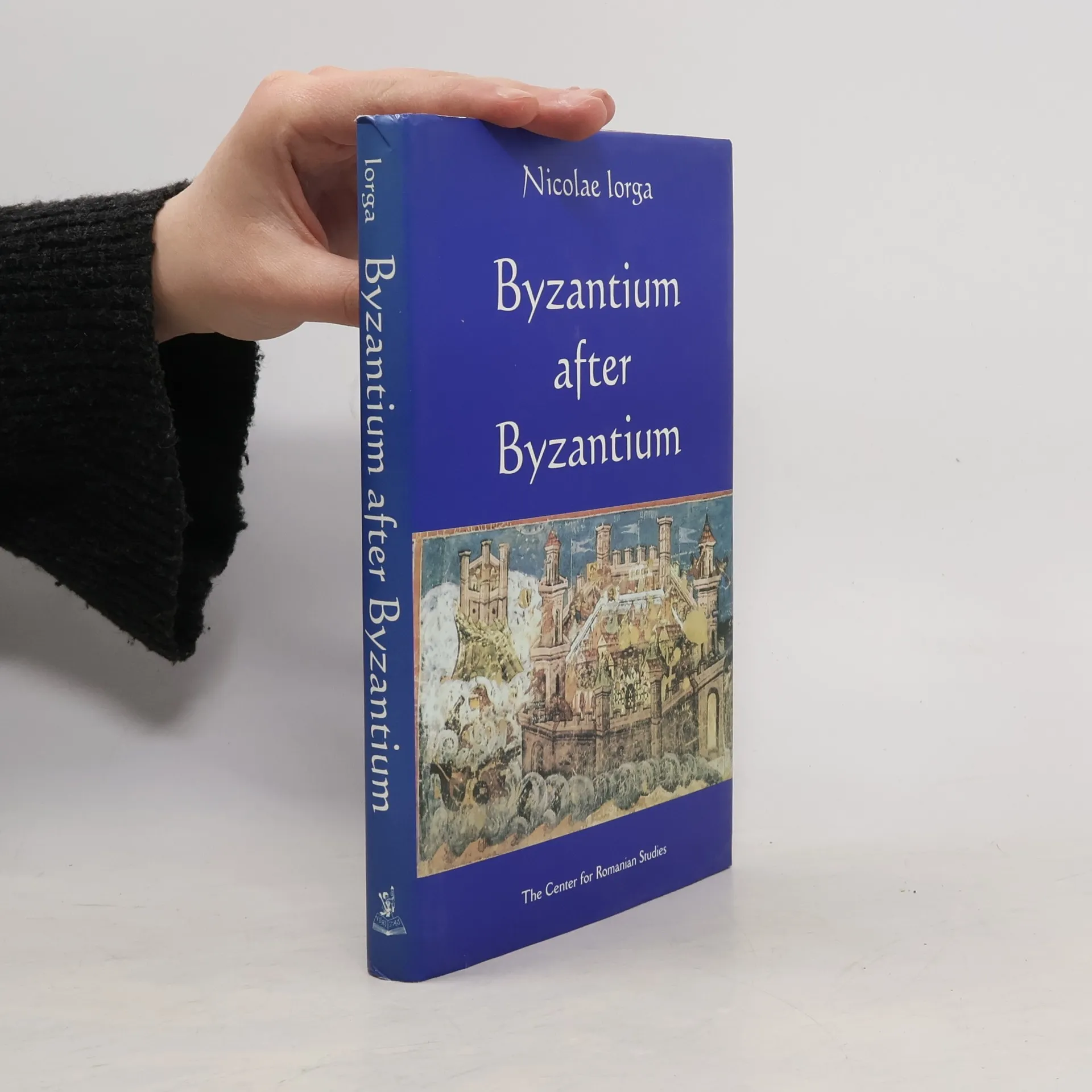
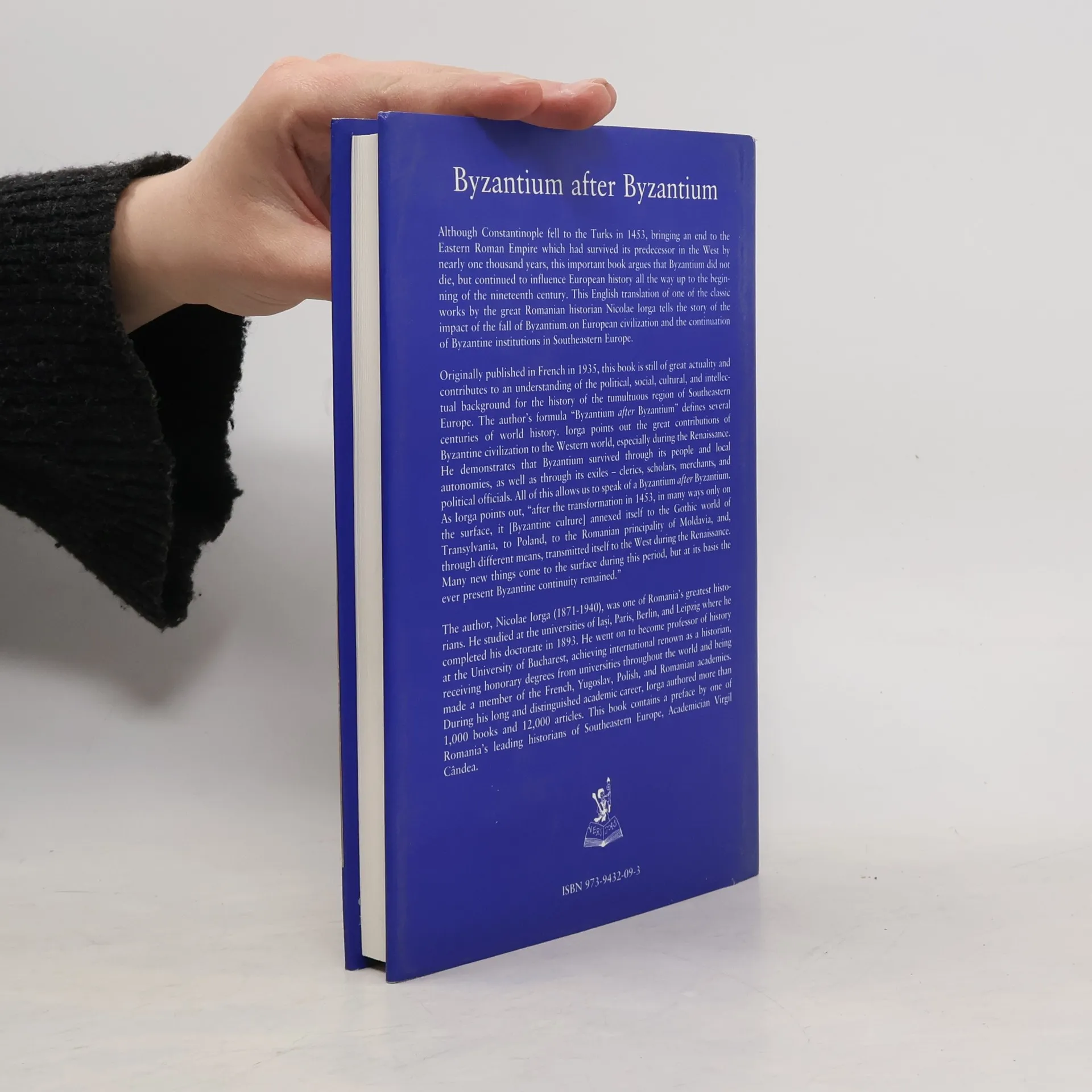
Although Constantinople fell to the Turks in 1453, bringing an end to the Eastern Roman Empire which had survived its predecessor in the West by nearly one thousand years, this important book argues that Byzantium did not die, but continued to influence European history all the way up to the beginning of the nineteenth century. The author’s formula “Byzantium after Byzantium” defines several centuries of world history. Iorga points out the great contributions of Byzantine civilization to the Western world, especially during the Renaissance. He demonstrates that Byzantium survived through its people and local autonomies, as well as through its exiles. One of the most important expressions of this was found in the Romanian principalities where Greeks from the Phanar district of Istanbul played a major role in Romanian political life, defining an entire era — the Phanariot Period. They continued the Byzantine ideas, aspirations, education, and way of life. All of this allows us to speak of a Byzantium after Byzantium . The author, Nicolae Iorga (1871-1940), was one of Romania’s greatest historians. During his long and distinguished academic career, Iorga authored more than 1,000 books and 12,000 articles. The book is enriched with a preface by one of Romania’s leading historians of Southeastern Europe, Academician Virgil Cândea.


Zakup książki
Byzantium After Byzantium, Nicolae Iorga
- Język

- Rok wydania
- 2000
- Oprawa
- (twarda)
Metody płatności
Brakuje nam tutaj Twojej recenzji.
- Tytuł
- Byzantium After Byzantium
- Podtytuł
- The Continuation of Byzantine Life After the Fall
- Język
- angielski
- Autorzy
- Nicolae Iorga
- Wydawca
- Center for Romanian Studies
- Rok wydania
- 2000
- Oprawa
- twarda
- Liczba stron
- 256
- ISBN10
- 9739432093
- ISBN13
- 9789739432092
- Seria
- Ocena
- 3,35 z 5
- Opis
- Although Constantinople fell to the Turks in 1453, bringing an end to the Eastern Roman Empire which had survived its predecessor in the West by nearly one thousand years, this important book argues that Byzantium did not die, but continued to influence European history all the way up to the beginning of the nineteenth century. The author’s formula “Byzantium after Byzantium” defines several centuries of world history. Iorga points out the great contributions of Byzantine civilization to the Western world, especially during the Renaissance. He demonstrates that Byzantium survived through its people and local autonomies, as well as through its exiles. One of the most important expressions of this was found in the Romanian principalities where Greeks from the Phanar district of Istanbul played a major role in Romanian political life, defining an entire era — the Phanariot Period. They continued the Byzantine ideas, aspirations, education, and way of life. All of this allows us to speak of a Byzantium after Byzantium . The author, Nicolae Iorga (1871-1940), was one of Romania’s greatest historians. During his long and distinguished academic career, Iorga authored more than 1,000 books and 12,000 articles. The book is enriched with a preface by one of Romania’s leading historians of Southeastern Europe, Academician Virgil Cândea.