

Więcej o książce
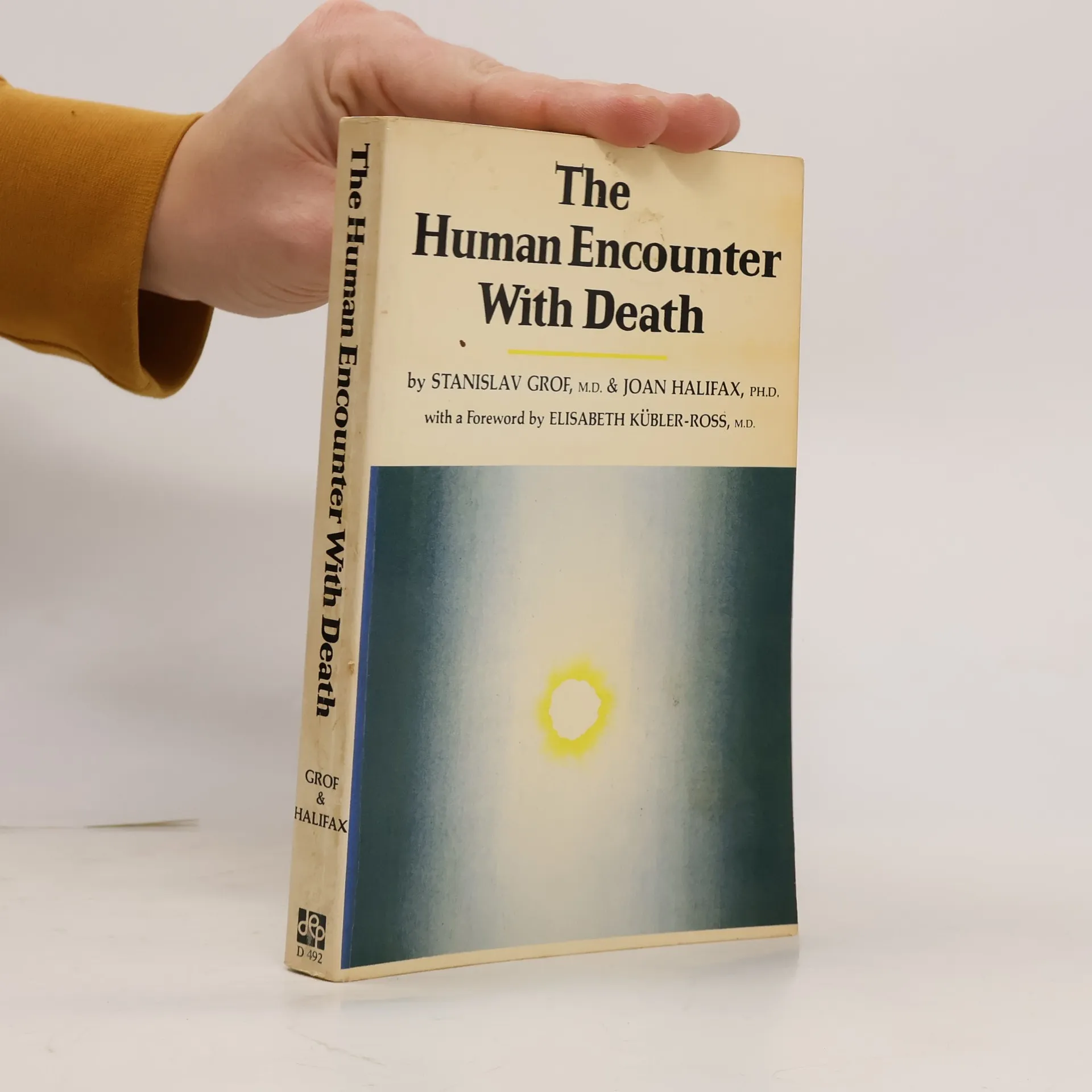
Stanislav Grof, M.D., and Joan Halifax, Ph.D., possess exceptional expertise in exploring the human experience of death. Their extensive backgrounds in clinical research with psychedelics, medical anthropology, and the analysis of ancient literatures inform their insights. Their groundbreaking work with terminal cancer patients using psychedelics revealed experiences closely aligned with those documented in the "Books of the Dead," which detail mystical journeys of the soul after death. Both the authors and these ancient texts suggest that the experience of dying is a continuation of life's hidden aspects. The authors have helped cancer patients confront and transcend their fears and anger regarding death. Through the use of psychedelics, they have facilitated transformative death-rebirth experiences akin to cultural rites of passage. This collaboration of a physician and a medical anthropologist revives the ancient art of dying. The Human Encounter With Death stands out in the emerging field of thanatology, offering a unique perspective that is essential for anyone seeking to comprehend the complex phenomenon of death. It is a vital addition to the library of those who wish to engage deeply with this profound subject.


Zakup książki
The Human Encounter With Death, Stanislav Grof, Joan Jiko Halifax, Elisabeth KüblerRoss
- Język

- Rok wydania
- 1978
- Oprawa
- (miękka)
Metody płatności
Brakuje nam tutaj Twojej recenzji.
- Tytuł
- The Human Encounter With Death
- Język
- angielski
- Wydawca
- E. P. Dutton
- Rok wydania
- 1978
- Oprawa
- miękka
- Liczba stron
- 240
- ISBN10
- 0525474927
- ISBN13
- 9780525474920
- Seria
- Tagi
- Śmierć
- Ocena
- 4,4 z 5
- Opis
- Stanislav Grof, M.D., and Joan Halifax, Ph.D., possess exceptional expertise in exploring the human experience of death. Their extensive backgrounds in clinical research with psychedelics, medical anthropology, and the analysis of ancient literatures inform their insights. Their groundbreaking work with terminal cancer patients using psychedelics revealed experiences closely aligned with those documented in the "Books of the Dead," which detail mystical journeys of the soul after death. Both the authors and these ancient texts suggest that the experience of dying is a continuation of life's hidden aspects. The authors have helped cancer patients confront and transcend their fears and anger regarding death. Through the use of psychedelics, they have facilitated transformative death-rebirth experiences akin to cultural rites of passage. This collaboration of a physician and a medical anthropologist revives the ancient art of dying. The Human Encounter With Death stands out in the emerging field of thanatology, offering a unique perspective that is essential for anyone seeking to comprehend the complex phenomenon of death. It is a vital addition to the library of those who wish to engage deeply with this profound subject.