

Więcej o książce
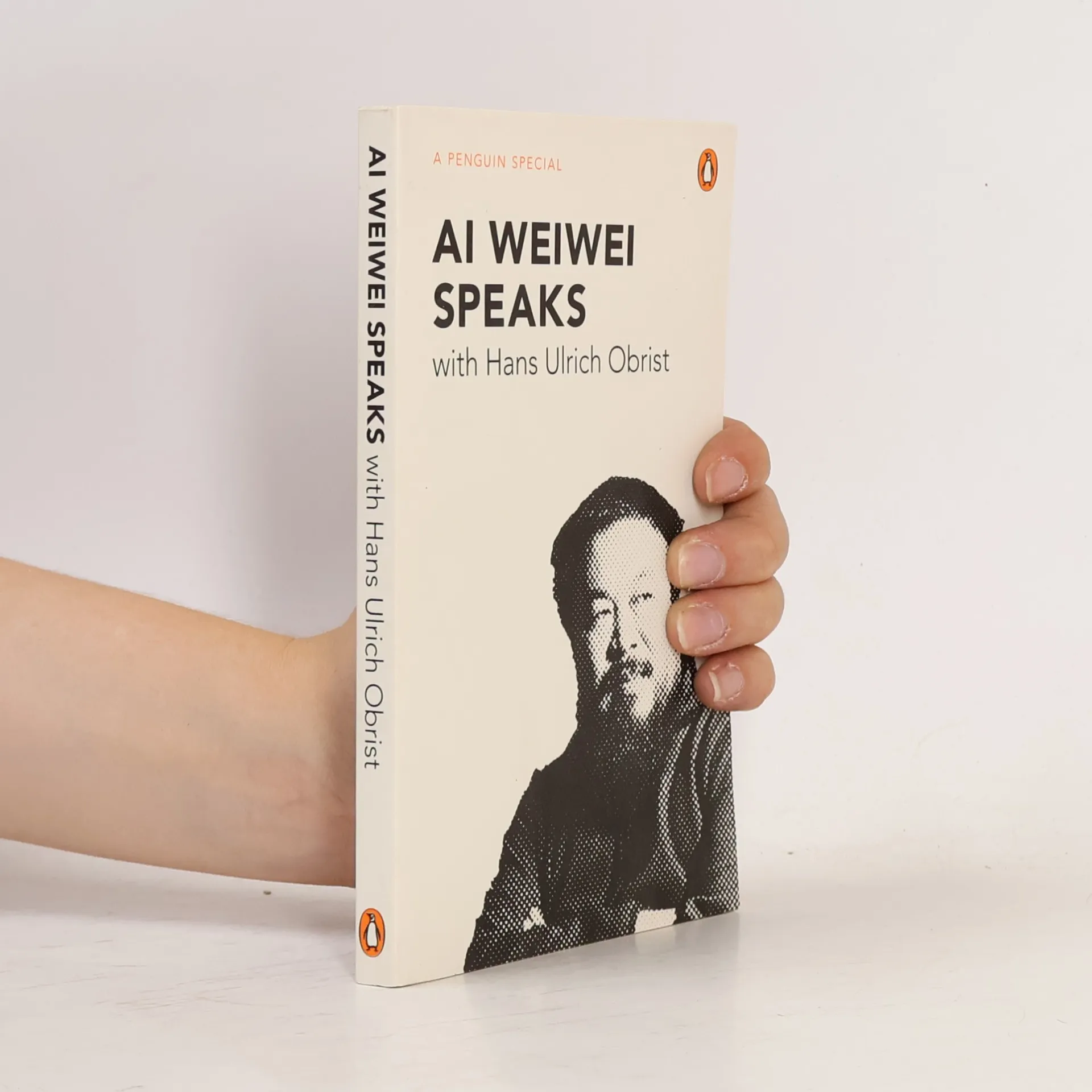
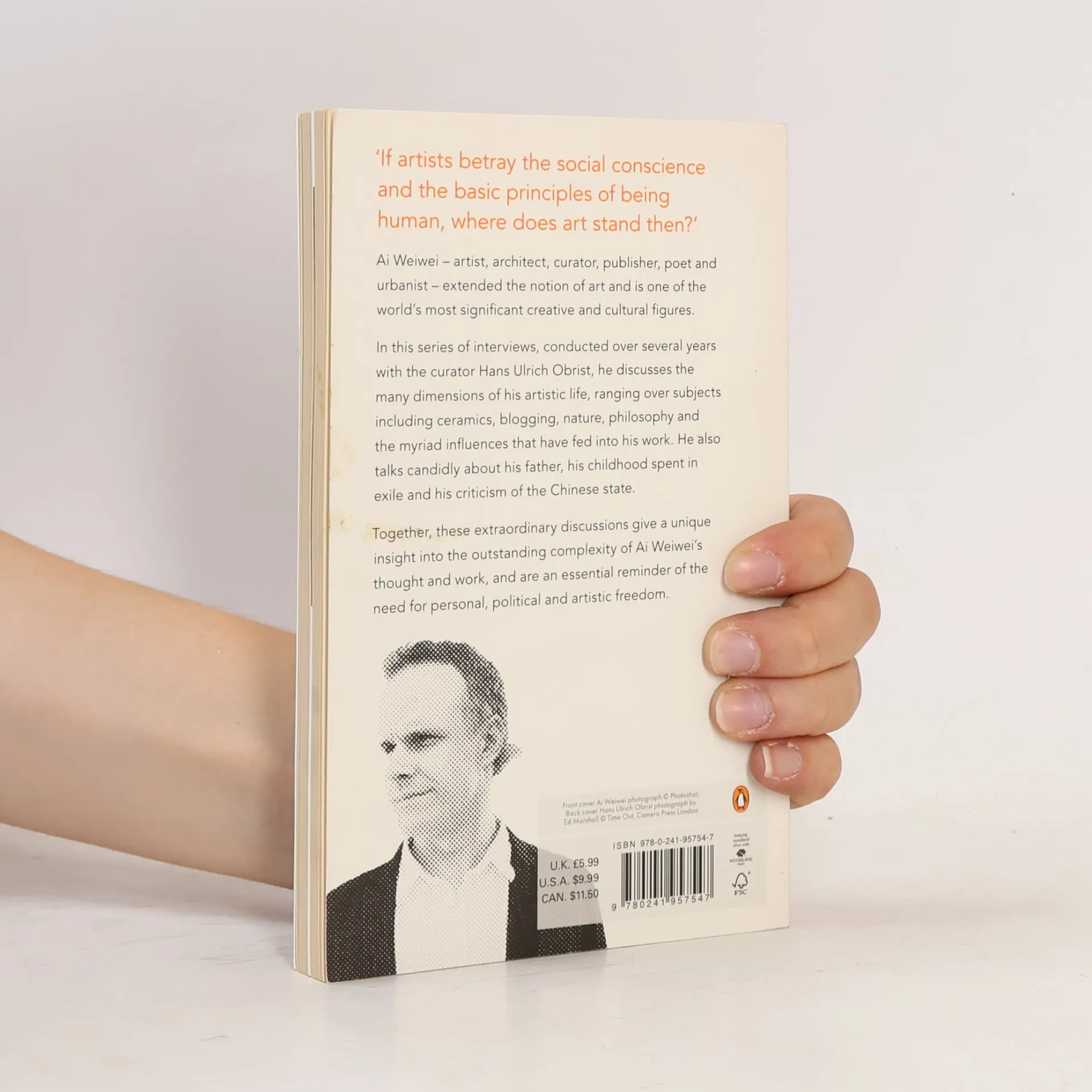
'If artists betray the social conscience and the basic principles of being human, where does art stand then?' Ai Weiwei - artist, architect, curator, publisher, poet and urbanist - extended the notion of art and is one of the world's most significant creative and cultural figures. In this series of interviews, conducted over several years with the curator Hans Ulrich Obrist, he discusses the many dimensions of his artistic life, ranging over subjects including ceramics, blogging, nature, philosophy and the myriad influences that have fed into his work. He also talks candidly about his father, his childhood spent in exile and his criticism of the Chinese state. Together, these extraordinary discussions give a unique insight into the outstanding complexity of Ai Weiwei's thought and work, and are an essential reminder of the need for personal, political and artistic freedom.


Zakup książki
Ai Weiwei speaks with Hans Ulrich Obrist, Weiwei Ai, Hans Ulrich Obrist
- Język

- Rok wydania
- 2011
- Oprawa
- (miękka),
- Stan książki
- Uszkodzony
- Cena
- 6,95 zł
Metody płatności
Brakuje nam tutaj Twojej recenzji.
- Tytuł
- Ai Weiwei speaks with Hans Ulrich Obrist
- Język
- angielski
- Autorzy
- Weiwei Ai, Hans Ulrich Obrist
- Wydawca
- Penguin Books
- Rok wydania
- 2011
- Oprawa
- miękka
- Liczba stron
- 128
- ISBN10
- 0241957540
- ISBN13
- 9780241957547
- Seria
- Ocena
- 3,55 z 5
- Opis
- 'If artists betray the social conscience and the basic principles of being human, where does art stand then?' Ai Weiwei - artist, architect, curator, publisher, poet and urbanist - extended the notion of art and is one of the world's most significant creative and cultural figures. In this series of interviews, conducted over several years with the curator Hans Ulrich Obrist, he discusses the many dimensions of his artistic life, ranging over subjects including ceramics, blogging, nature, philosophy and the myriad influences that have fed into his work. He also talks candidly about his father, his childhood spent in exile and his criticism of the Chinese state. Together, these extraordinary discussions give a unique insight into the outstanding complexity of Ai Weiwei's thought and work, and are an essential reminder of the need for personal, political and artistic freedom.