

Parametry
- 173 strony
- 7 godzin czytania
Więcej o książce
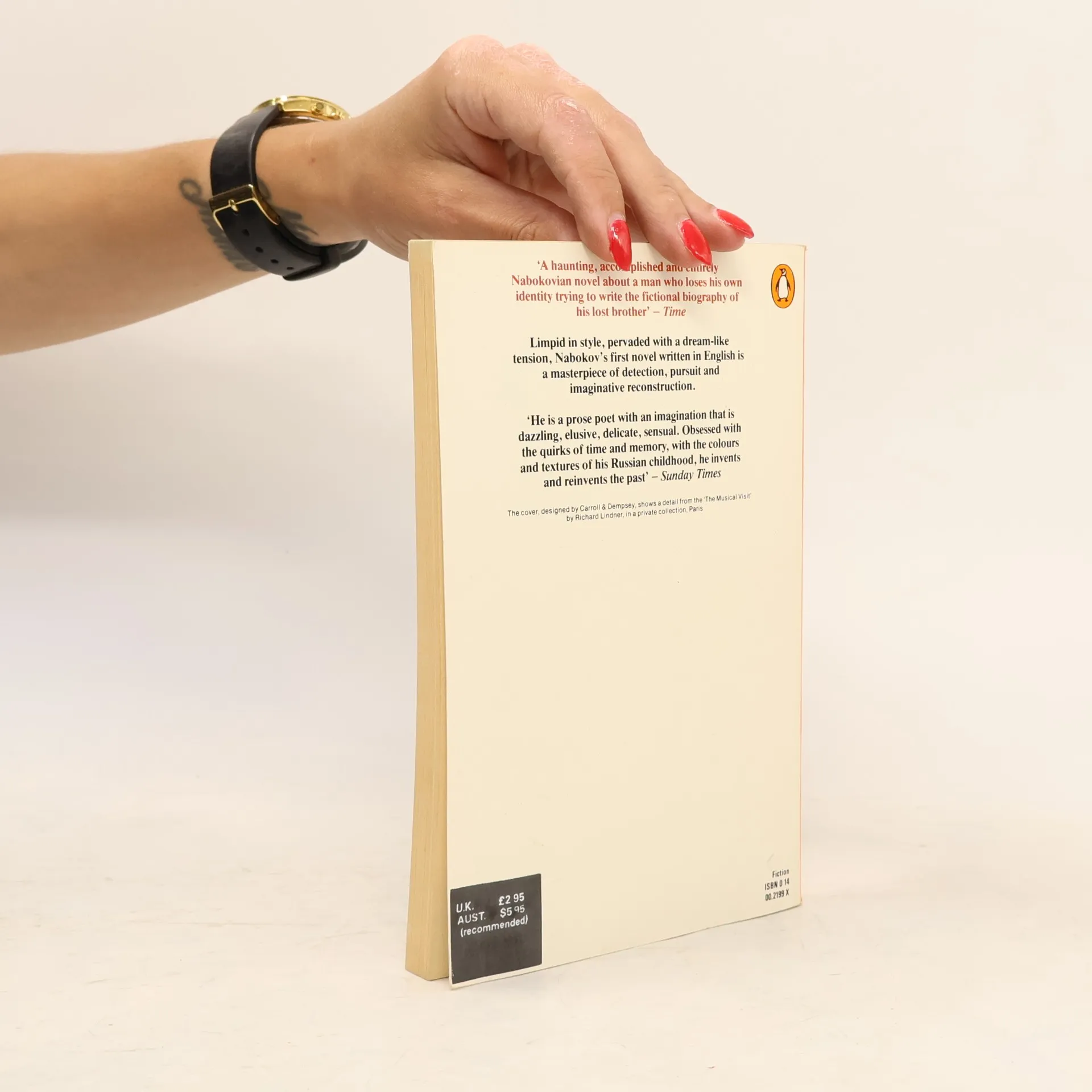
In a letter to Edmund Wilson in 1941, Vladimir Nabokov expressed his delight that Wilson enjoyed his first novel in English, written five years earlier in a small Parisian bathroom. Despite its modest origins, this work showcases Nabokov's mastery of language and explores themes of identity. The story revolves around Sebastian Knight, a Russian novelist whose complex relationship with language mirrors Nabokov's own. The narrative is driven by Sebastian's half-brother, who seeks to piece together the life of this enigmatic figure. Although he acknowledges that Sebastian's life lacks the drama of his literary style, he finds even the simplest facts elusive. The narrator delves into Sebastian's creative struggles, articulating the painful gap between thought and expression—a common challenge for writers. The quest for a verbal equivalent of Sebastian's existence proves daunting, yet the narrator achieves a poignant connection with his subject by the book's end, reflecting a fluid understanding of identity. Rich in prose and insight, this novel is essential reading and arguably the finest work ever crafted on a bidet.




Zakup książki
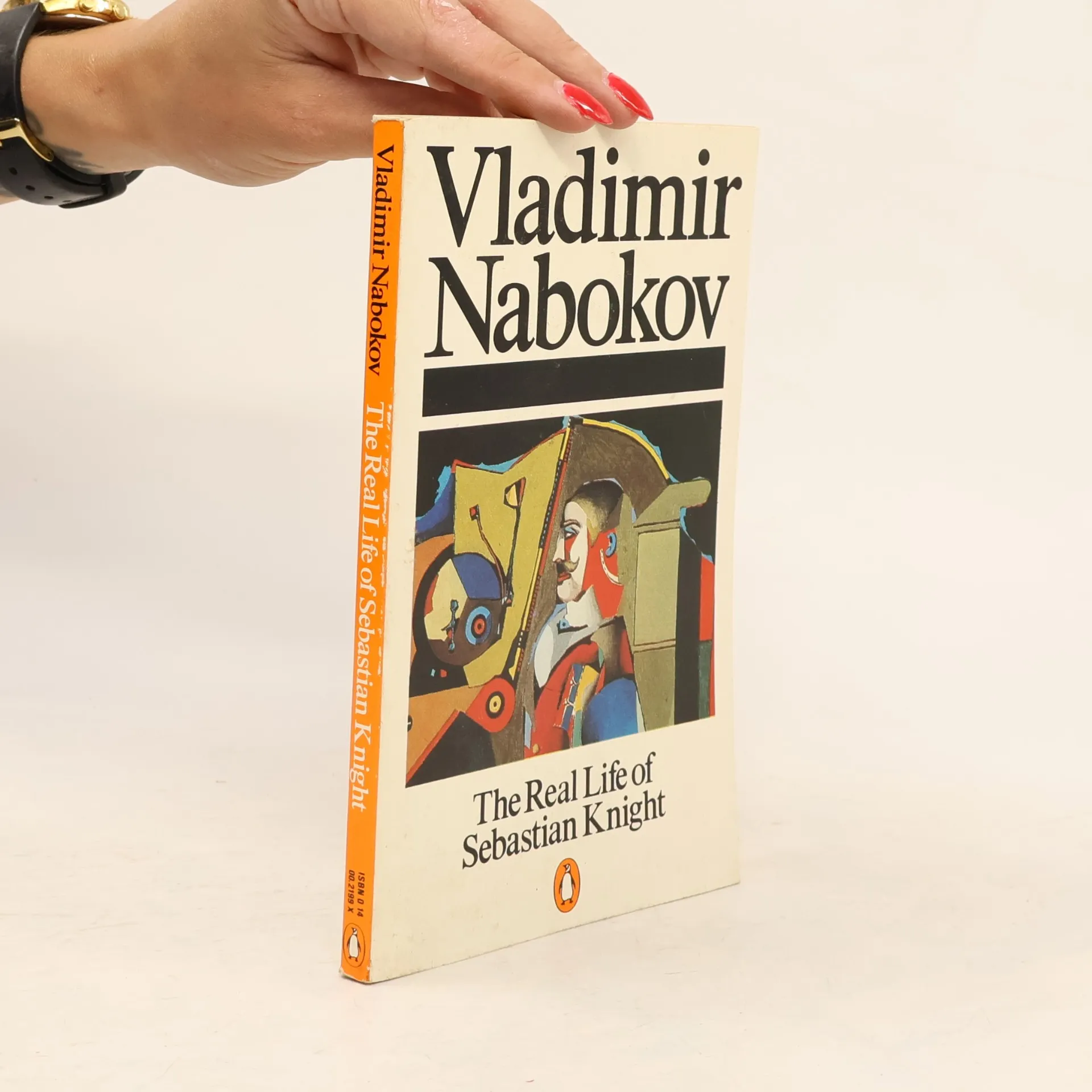
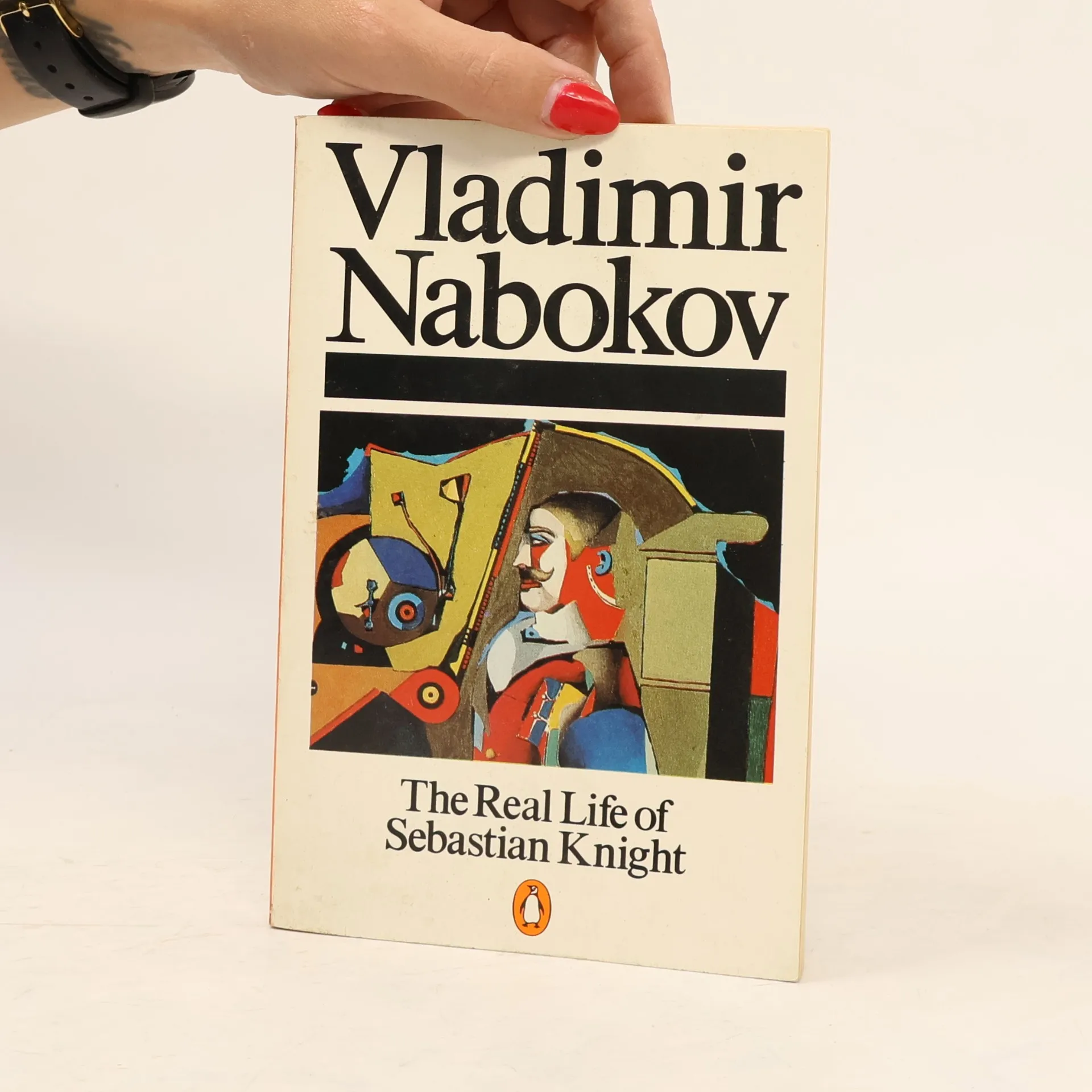
The Real Life of Sebastian Knight, Vladimir Vladimirovič Nabokov
- Język

- Rok wydania
- 1971
- Oprawa
- (miękka),
- Stan książki
- Uszkodzony
- Cena
- 28,53 zł
Metody płatności
Brakuje nam tutaj Twojej recenzji.
- Tytuł
- The Real Life of Sebastian Knight
- Język
- angielski
- Wydawca
- Penguin Books
- Rok wydania
- 1971
- Oprawa
- miękka
- Liczba stron
- 173
- ISBN10
- 014002199X
- ISBN13
- 9780140021998
- Seria
- Tagi
- Literatura amerykańska, Rosja, Literatura rosyjska, Tożsamość, Powieści biograficzne, Emigracja & Wygnanie, Tożsamość narodowa, Emigranci, Intelektualiści, Rosjanie
- Pierwsze wydanie
- 1941
- Oryginalna nazwa
- The Real Life of Sebastian Knight
- Ocena
- 3,95 z 5
- Opis
- In a letter to Edmund Wilson in 1941, Vladimir Nabokov expressed his delight that Wilson enjoyed his first novel in English, written five years earlier in a small Parisian bathroom. Despite its modest origins, this work showcases Nabokov's mastery of language and explores themes of identity. The story revolves around Sebastian Knight, a Russian novelist whose complex relationship with language mirrors Nabokov's own. The narrative is driven by Sebastian's half-brother, who seeks to piece together the life of this enigmatic figure. Although he acknowledges that Sebastian's life lacks the drama of his literary style, he finds even the simplest facts elusive. The narrator delves into Sebastian's creative struggles, articulating the painful gap between thought and expression—a common challenge for writers. The quest for a verbal equivalent of Sebastian's existence proves daunting, yet the narrator achieves a poignant connection with his subject by the book's end, reflecting a fluid understanding of identity. Rich in prose and insight, this novel is essential reading and arguably the finest work ever crafted on a bidet.