


Parametry
- 460 stron
- 17 godzin czytania
Więcej o książce
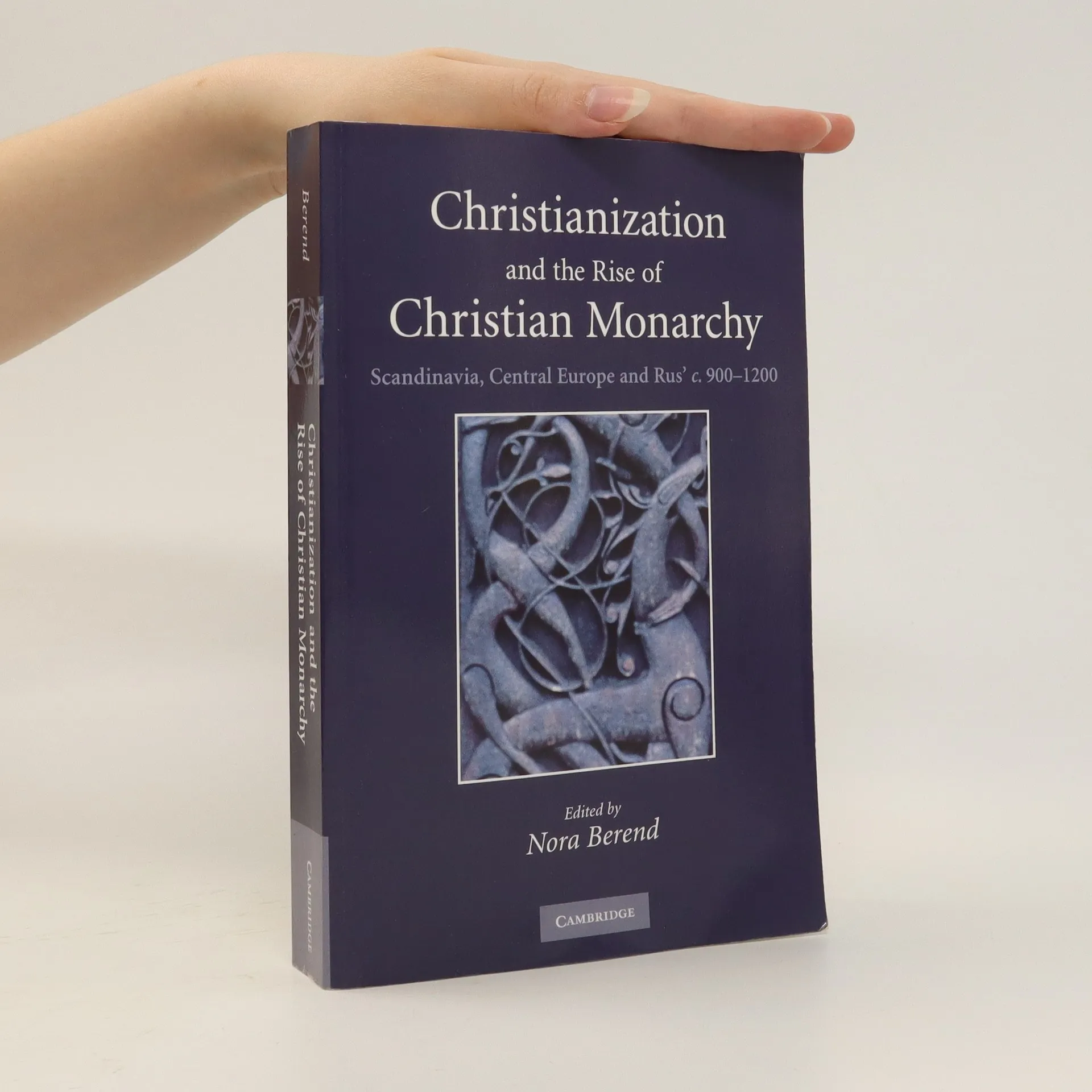
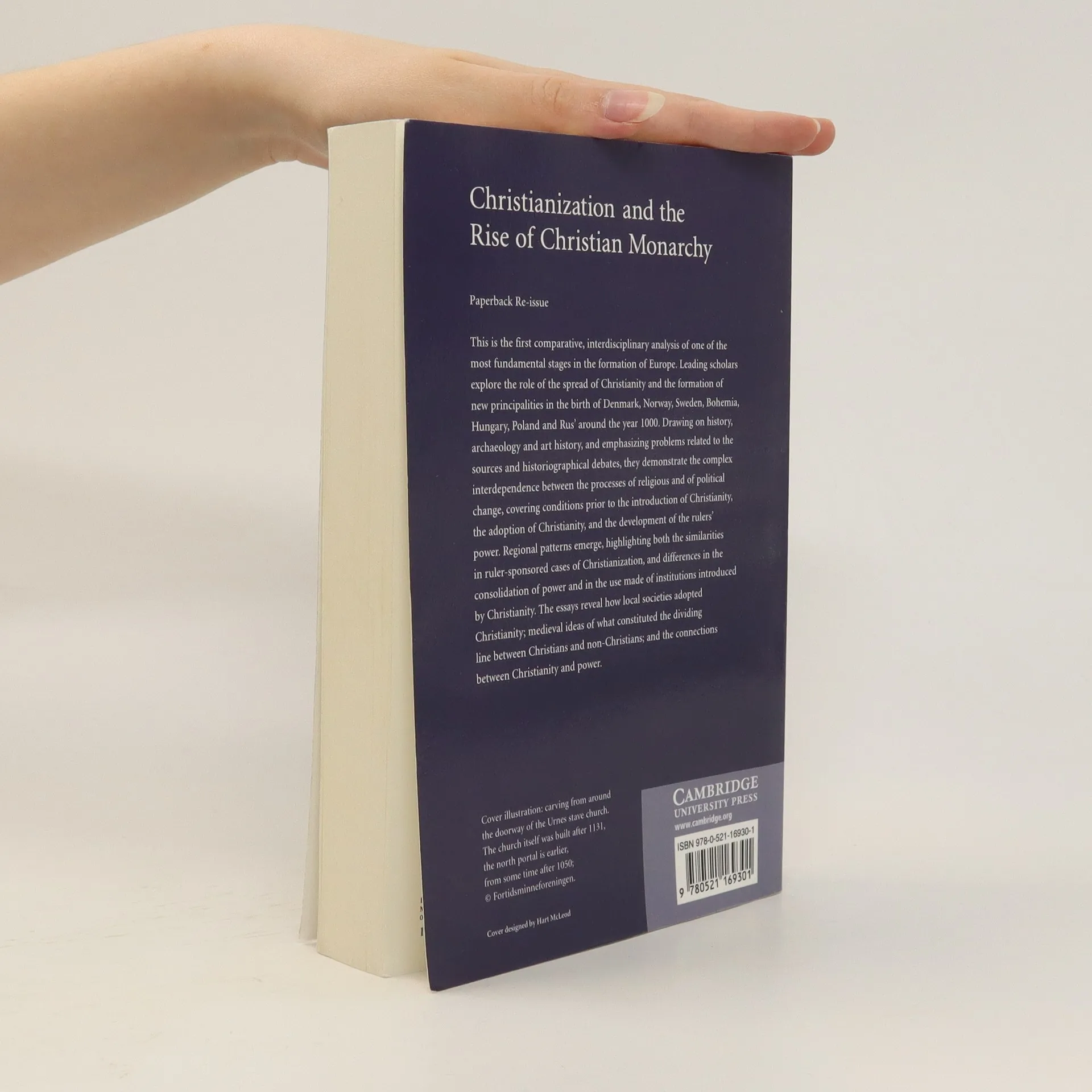
This 2007 text is a comparative, analysis of one of the most fundamental stages in the formation of Europe. Leading scholars explore the role of the spread of Christianity and the formation of new principalities in the birth of Denmark, Norway, Sweden, Bohemia, Hungary, Poland and Rus' around the year 1000. Drawing on history, archaeology and art history, and emphasizing problems related to the sources and historiographical debates, they demonstrate the complex interdependence between the processes of religious and political change, covering conditions prior to the introduction of Christianity, the adoption of Christianity, and the development of the rulers' power. Regional patterns emerge, highlighting both the similarities in ruler-sponsored cases of Christianization, and differences in the consolidation of power and in institutions introduced by Christianity. The essays reveal how local societies adopted Christianity; medieval ideas of what constituted the dividing line between Christians and non-Christians; and the connections between Christianity and power.

Zakup książki
Christianization and the Rise of Christian Monarchy, Nora Berend
- Język

- Rok wydania
- 2007
- Oprawa
- (miękka)
Metody płatności
Brakuje nam tutaj Twojej recenzji.
- Tytuł
- Christianization and the Rise of Christian Monarchy
- Język
- angielski
- Autorzy
- Nora Berend
- Wydawca
- Cambridge University Press
- Rok wydania
- 2007
- Oprawa
- miękka
- Liczba stron
- 460
- ISBN10
- 0521169305
- ISBN13
- 9780521169301
- Seria
- Kategorie
- Tagi
- Tematy historyczne, Tematy religijne, Tematy chrześcijańskie, Średniowiecze, Historia Europy, Historia kościoła, Władcy, Państwo a Kościół, Chrystianizacja, X-XIII wiek
- Pierwsze wydanie
- 2007
- Oryginalna nazwa
- Christianization and the rise of christian monarchy
- Ocena
- 4,75 z 5
- Opis
- This 2007 text is a comparative, analysis of one of the most fundamental stages in the formation of Europe. Leading scholars explore the role of the spread of Christianity and the formation of new principalities in the birth of Denmark, Norway, Sweden, Bohemia, Hungary, Poland and Rus' around the year 1000. Drawing on history, archaeology and art history, and emphasizing problems related to the sources and historiographical debates, they demonstrate the complex interdependence between the processes of religious and political change, covering conditions prior to the introduction of Christianity, the adoption of Christianity, and the development of the rulers' power. Regional patterns emerge, highlighting both the similarities in ruler-sponsored cases of Christianization, and differences in the consolidation of power and in institutions introduced by Christianity. The essays reveal how local societies adopted Christianity; medieval ideas of what constituted the dividing line between Christians and non-Christians; and the connections between Christianity and power.