

Więcej o książce
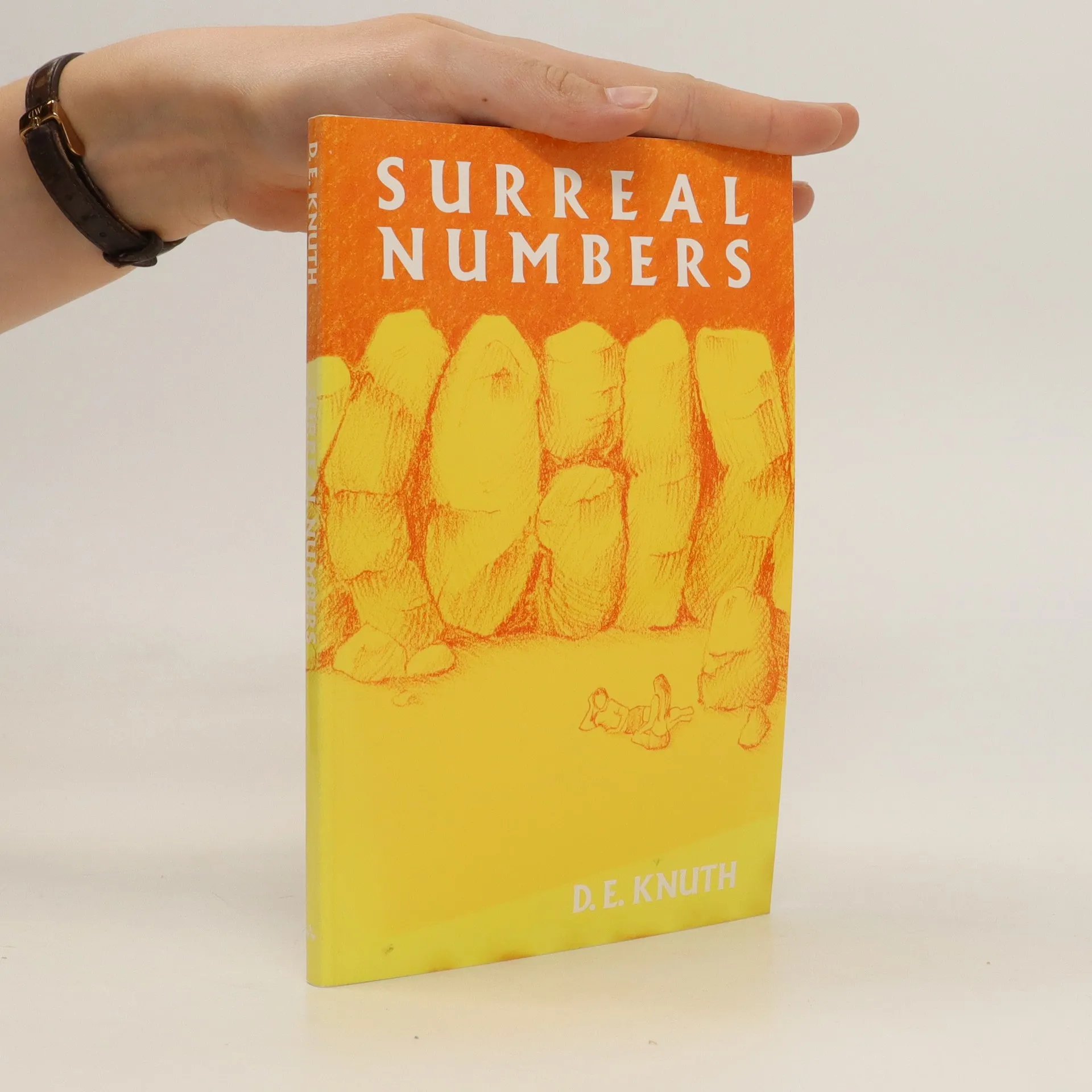
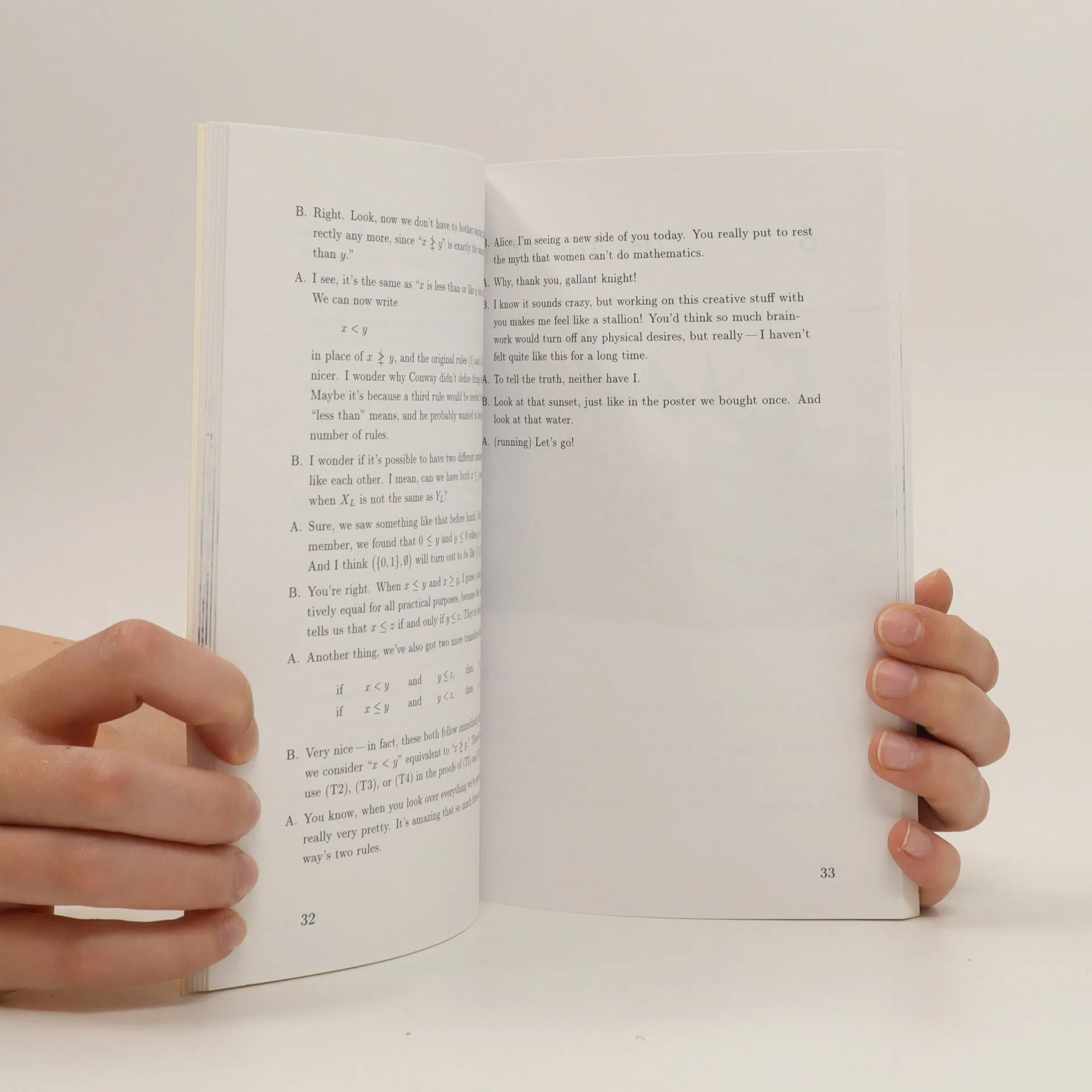
Nearly 30 years ago, John Horton Conway introduced a revolutionary method for constructing numbers. In recognition of this, Donald E. Knuth took a week off from his work on The Art of Computer Programming to write an introduction to Conway's system, opting for a unique approach: a fictional novelette. While not a romance, the narrative follows a young couple who delve into pure mathematics and discover profound happiness. Knuth's postscript clarifies that the book's goal is not just to explain Conway's theory but to illustrate the process of developing such theories. He captures the characters' journey, including their setbacks and successes, to portray the essential principles, techniques, joys, and philosophies of mathematics. The story reflects Knuth's own research experience. The book presents an impressive feat where an empty hat, resting on a few axioms of standard set theory, becomes a source of an infinitely rich tapestry of numbers through two simple rules. This "surreal" system introduces new numbers that lie closer to any real number than traditional values. Now in its 13th printing, this work will engage anyone interested in abstract mathematical ideas and the creative process behind new mathematics.
Zakup książki
Surreal Numbers, Donald Knuth
- Język

- Rok wydania
- 1974
- Oprawa
- (miękka)
Metody płatności
Brakuje nam tutaj Twojej recenzji.
- Tytuł
- Surreal Numbers
- Język
- angielski
- Autorzy
- Donald Knuth
- Wydawca
- Addison-Wesley
- Rok wydania
- 1974
- Oprawa
- miękka
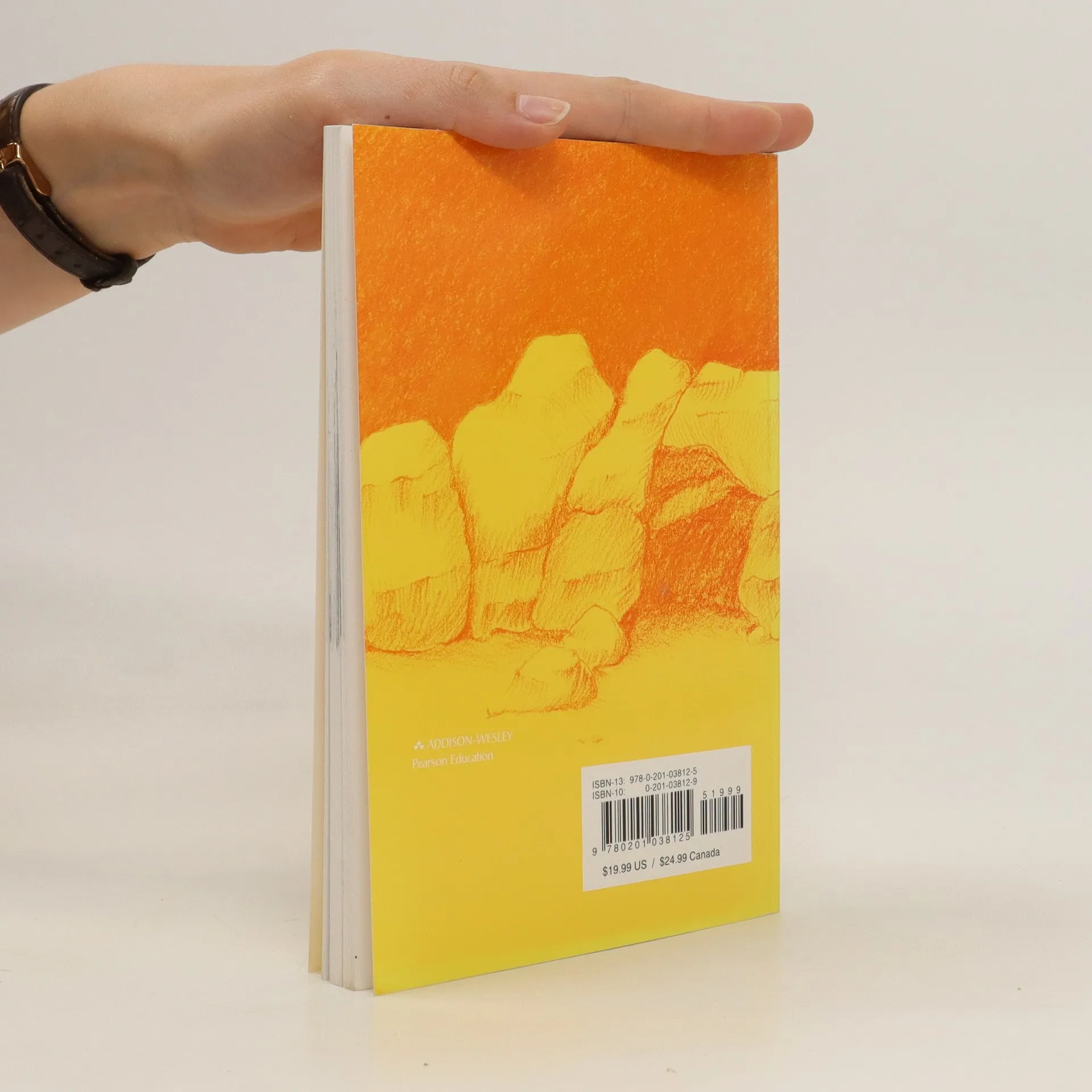
- ISBN10
- 0201038129
- ISBN13
- 9780201038125
- Seria
- Kategorie
- Ocena
- 3,85 z 5
- Opis
- Nearly 30 years ago, John Horton Conway introduced a revolutionary method for constructing numbers. In recognition of this, Donald E. Knuth took a week off from his work on The Art of Computer Programming to write an introduction to Conway's system, opting for a unique approach: a fictional novelette. While not a romance, the narrative follows a young couple who delve into pure mathematics and discover profound happiness. Knuth's postscript clarifies that the book's goal is not just to explain Conway's theory but to illustrate the process of developing such theories. He captures the characters' journey, including their setbacks and successes, to portray the essential principles, techniques, joys, and philosophies of mathematics. The story reflects Knuth's own research experience. The book presents an impressive feat where an empty hat, resting on a few axioms of standard set theory, becomes a source of an infinitely rich tapestry of numbers through two simple rules. This "surreal" system introduces new numbers that lie closer to any real number than traditional values. Now in its 13th printing, this work will engage anyone interested in abstract mathematical ideas and the creative process behind new mathematics.