

Więcej o książce
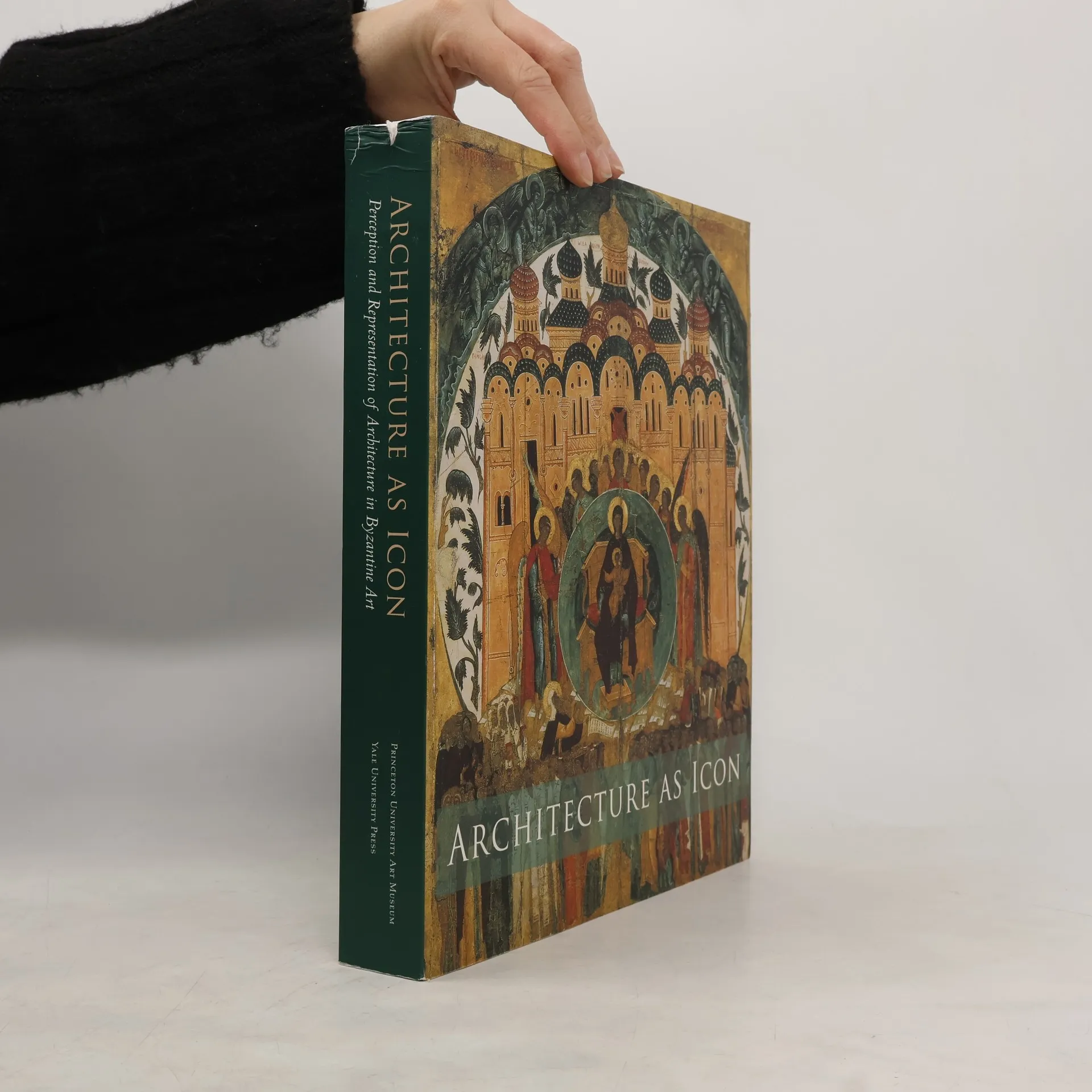
This volume challenges long-held assumptions by Western art historians and offers new perspectives on Byzantine art from A.D. 300 to the early nineteenth century. It argues that Byzantine art moved away from classical ideals, opting instead for stylized forms to convey spiritual concepts. Previous scholarship has largely focused on holy figures in icons, often viewing architectural representations as mere background. However, this work demonstrates that these architectural elements are meaningful, active components of compositions, holding significance comparable to human figures. It provides a critical understanding of how Byzantine artists conceived architectural forms and the intellectual foundations behind their representations. The book is introduced by four insightful essays and organizes the exhibition material into four categories: generic, specific, and symbolic representations, concluding with “From Earthly to Heavenly Jerusalem.” Richly illustrated, this volume explores the unique approaches to architecture in Byzantine art, contrasting sharply with Renaissance and later Western artistic traditions.


Zakup książki
Architecture as Icon, Slobodan Ćurčić, Kathleen E. McVey, Helen G. Saradi, Evangelina Hadjitryphonos
- Język

- Rok wydania
- 2010
- Oprawa
- (miękka)
Metody płatności
Brakuje nam tutaj Twojej recenzji.
- Tytuł
- Architecture as Icon
- Podtytuł
- Perception and Representation of Architecture in Byzantine Art
- Język
- angielski
- Rok wydania
- 2010
- Oprawa
- miękka
- Liczba stron
- 356
- ISBN10
- 030012211X
- ISBN13
- 9780300122114
- Seria
- Tagi
- Sztuki piękne
- Ocena
- 4,4 z 5
- Opis
- This volume challenges long-held assumptions by Western art historians and offers new perspectives on Byzantine art from A.D. 300 to the early nineteenth century. It argues that Byzantine art moved away from classical ideals, opting instead for stylized forms to convey spiritual concepts. Previous scholarship has largely focused on holy figures in icons, often viewing architectural representations as mere background. However, this work demonstrates that these architectural elements are meaningful, active components of compositions, holding significance comparable to human figures. It provides a critical understanding of how Byzantine artists conceived architectural forms and the intellectual foundations behind their representations. The book is introduced by four insightful essays and organizes the exhibition material into four categories: generic, specific, and symbolic representations, concluding with “From Earthly to Heavenly Jerusalem.” Richly illustrated, this volume explores the unique approaches to architecture in Byzantine art, contrasting sharply with Renaissance and later Western artistic traditions.