

Ocena książki
Więcej o książce
We are currently experiencing a significant sociological crisis of orientation. New problems and needs have emerged, revealing fresh fears and longings. Many individuals are seeking a new foundation, a fundamental certainty, and a guiding compass for their lives and those of others. Despite the inconsistencies and ambivalence surrounding these issues, religion is gaining increased attention, encompassing both traditional faiths and new spiritual movements, including Christianity, Islam, Hinduism, and Buddhism. In both the East and West, the once-reliable notion of Progress has lost credibility; faith in a better future through science, technology, revolution, and socialism is now met with skepticism. While the elderly struggle to find meaning in death despite psychological advancements, younger generations—often labeled as apathetic and self-destructive—are reexamining the search for life's purpose. Interestingly, although science has largely undermined belief in immortality and has focused on prolonging life, it is now medicine that is challenging taboos surrounding death. Through its research into dying, medicine has revived inquiries about death and survival. However, the question remains: has medicine or parapsychology provided evidence of life after death?


Zakup książki
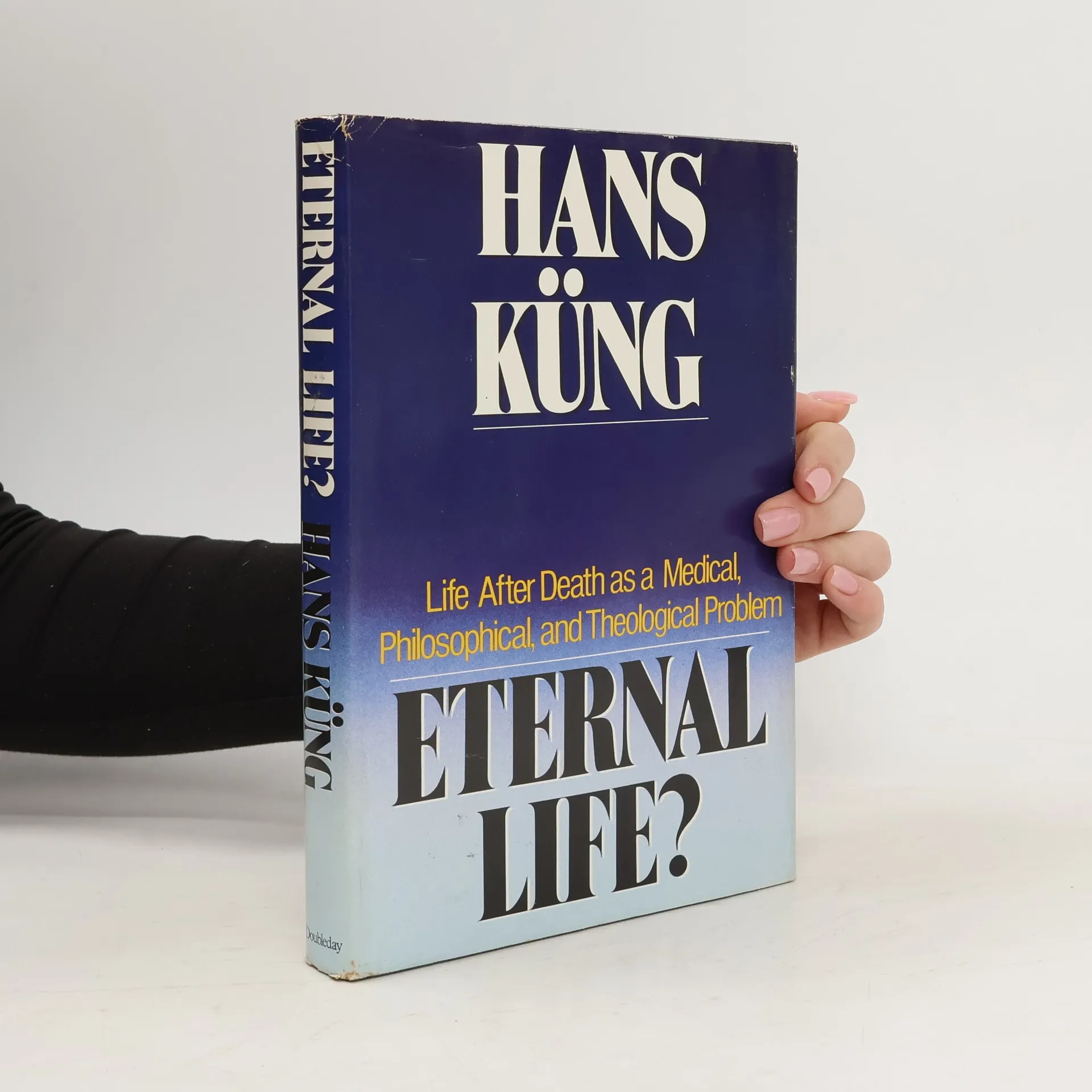
Eternal life?, Hans Küng
- Język

- Rok wydania
- 1984
- Oprawa
- (twarda)
Metody płatności
Brakuje nam tutaj Twojej recenzji.
- Tytuł
- Eternal life?
- Podtytuł
- Life After Death as a Medical, Philosophical, and Theological Problem
- Język
- angielski
- Autorzy
- Hans Küng
- Wydawca
- Doubleday
- Rok wydania
- 1984
- Oprawa
- twarda
- Liczba stron
- 271
- ISBN10
- 0385182074
- ISBN13
- 9780385182072
- Seria
- Tagi
- Tematy religijne, Tematyka filozoficzna, Duchowość, Teologia, Śmierć, Kościół, Starość, Poszukiwanie sensu życia
- Pierwsze wydanie
- 2002
- Oryginalna nazwa
- Ewiges Leben?
- Ocena
- 4 z 5
- Opis
- We are currently experiencing a significant sociological crisis of orientation. New problems and needs have emerged, revealing fresh fears and longings. Many individuals are seeking a new foundation, a fundamental certainty, and a guiding compass for their lives and those of others. Despite the inconsistencies and ambivalence surrounding these issues, religion is gaining increased attention, encompassing both traditional faiths and new spiritual movements, including Christianity, Islam, Hinduism, and Buddhism. In both the East and West, the once-reliable notion of Progress has lost credibility; faith in a better future through science, technology, revolution, and socialism is now met with skepticism. While the elderly struggle to find meaning in death despite psychological advancements, younger generations—often labeled as apathetic and self-destructive—are reexamining the search for life's purpose. Interestingly, although science has largely undermined belief in immortality and has focused on prolonging life, it is now medicine that is challenging taboos surrounding death. Through its research into dying, medicine has revived inquiries about death and survival. However, the question remains: has medicine or parapsychology provided evidence of life after death?