

Więcej o książce
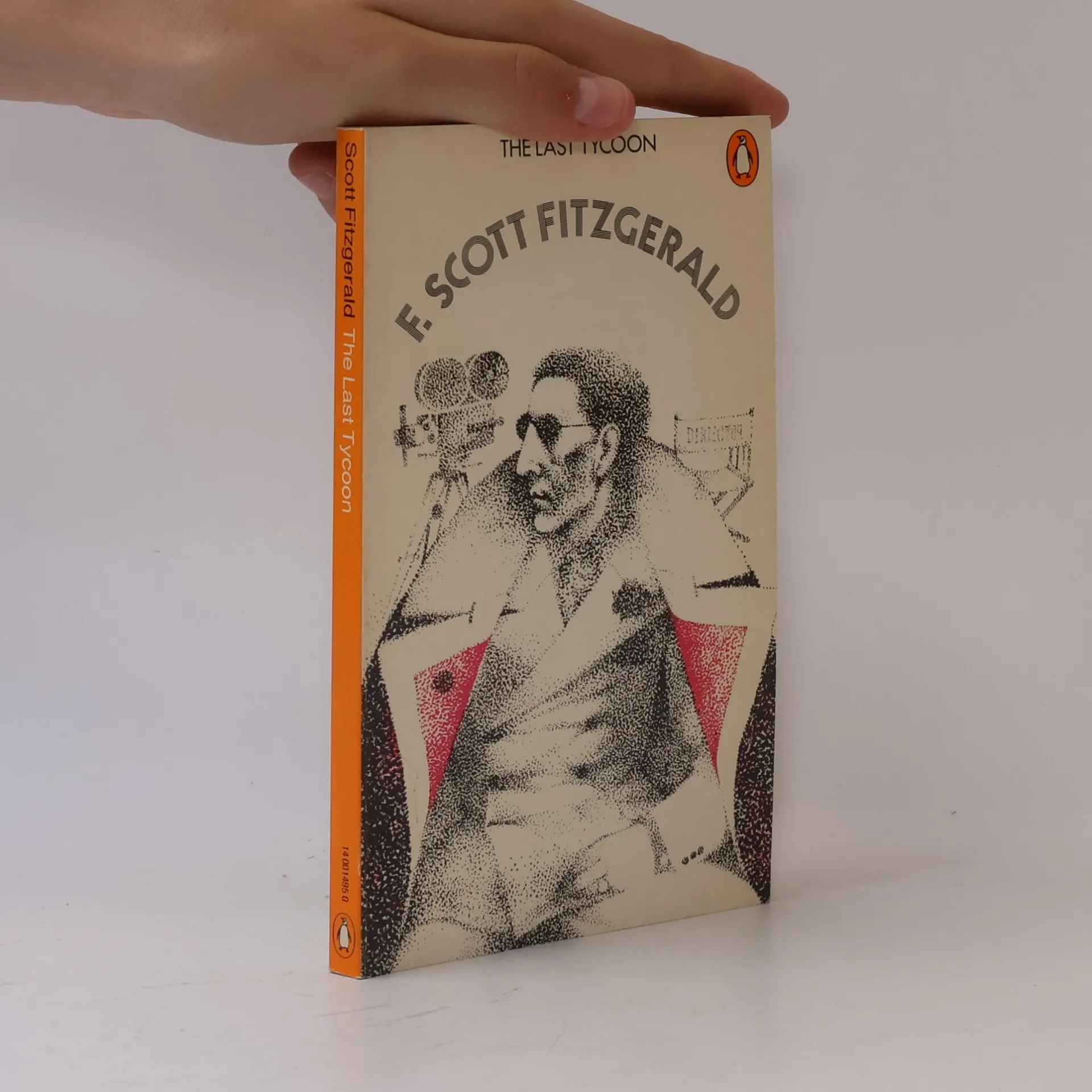
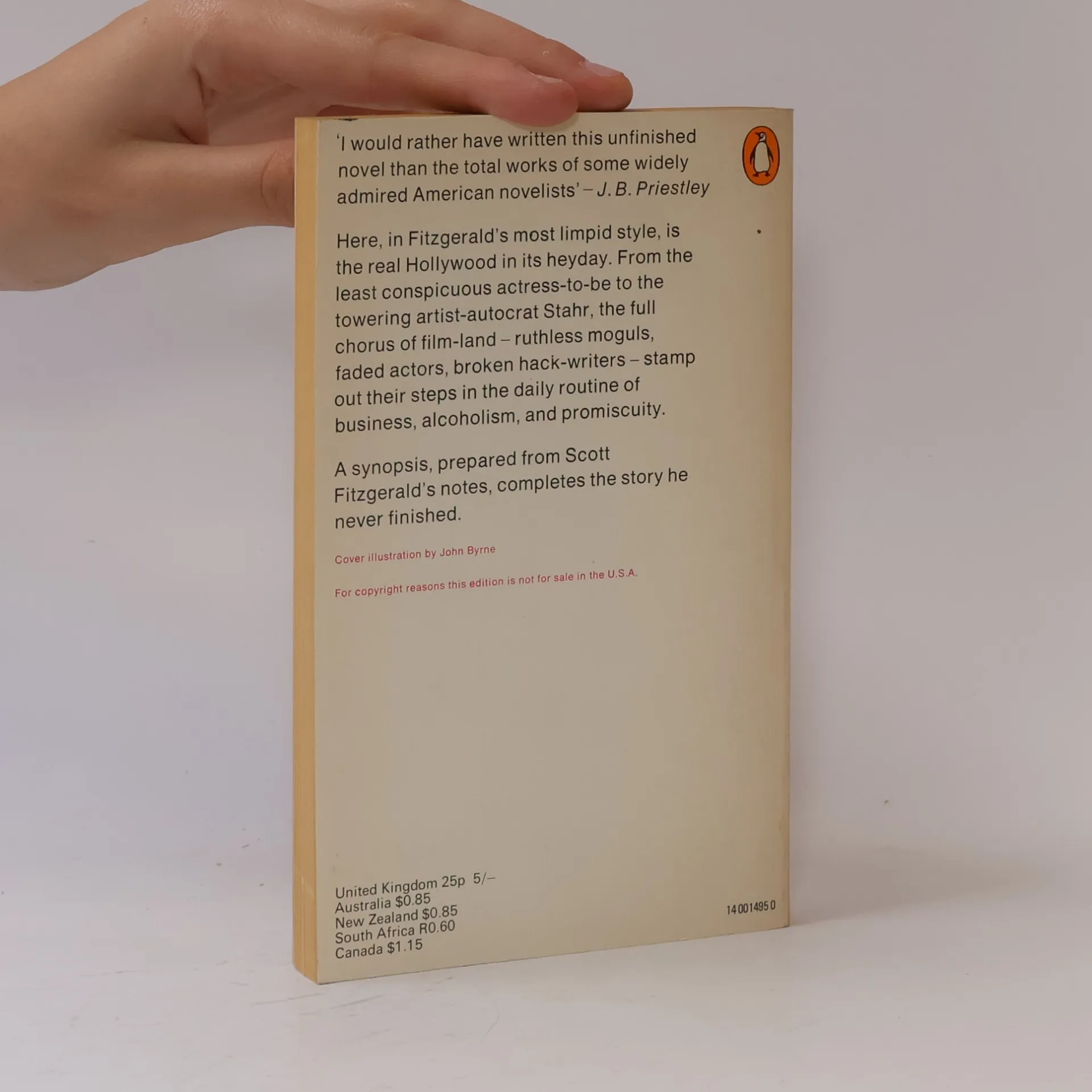
These sumptuous new hardback editions mark the 70th anniversary of Fitzgerald's death. Their eyes 'met and tangled. For an instant they made love as no one ever dares to do after. Their glance was slower than an embrace, more urgent than a call'. A novel of the glittering decadence of Hollywood in its heyday, this was Fitzgerald's last work and he died without completing it. The novel's tragic tycoon hero is Stahr. Caught in the crossfire of his own effortless cynicism and his silent, secret vulnerability, Stahr inhabits a world dominated by business, alcohol and promiscuity. If there is a moral or social necessity to film-making in this West Coast never-never land, Stahr does not always believe in it. If there is love he does not always see it. The sharpness of Fitzgerald's prose, the steely simplicity of his style, give a cutting edge to this study of Hollywood in the thirties, from which Fitzgerald draws a painfully bitter-sweet love affair and bids his own poignant farewell to the Great American Dream.






Zakup książki
The Last Tycoon, Francis Scott Fitzgerald
- Język

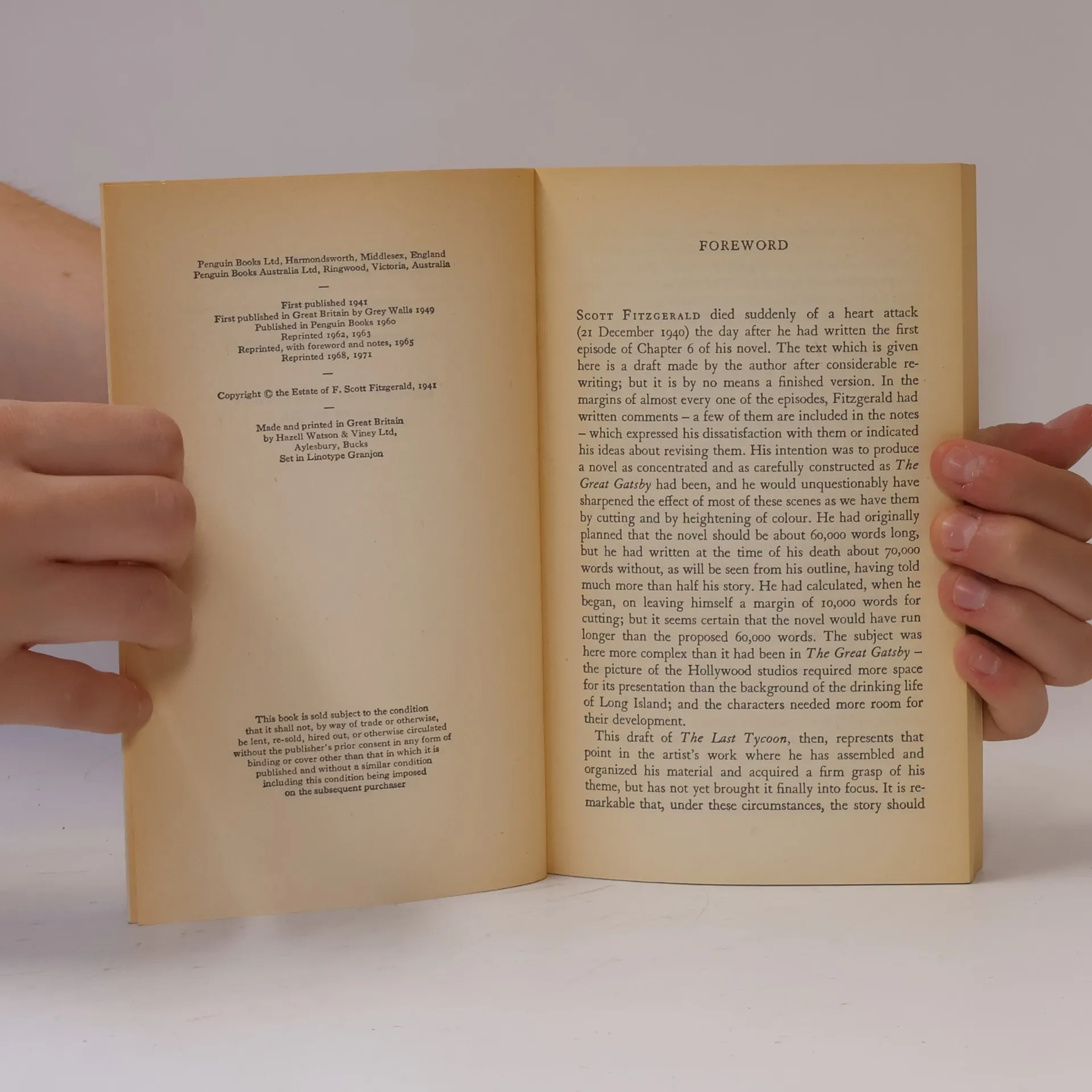
- Rok wydania
- 1971
- Oprawa
- (miękka)
Metody płatności
Brakuje nam tutaj Twojej recenzji.
- Tytuł
- The Last Tycoon
- Język
- angielski
- Autorzy
- Francis Scott Fitzgerald
- Wydawca
- Penguin Books
- Rok wydania
- 1971
- Oprawa
- miękka
- Seria
- Tagi
- Tematy historyczne, USA, XX wiek, Literatura amerykańska, Tematyka filmowa, Filmowa adaptacja, Hollywood, Serialowe adaptacje, Lata 30. XX wieku, Filmowanie
- Pierwsze wydanie
- 1941
- Oryginalna nazwa
- The Last Tycoon
- Ocena
- 3,65 z 5
- Opis
- These sumptuous new hardback editions mark the 70th anniversary of Fitzgerald's death. Their eyes 'met and tangled. For an instant they made love as no one ever dares to do after. Their glance was slower than an embrace, more urgent than a call'. A novel of the glittering decadence of Hollywood in its heyday, this was Fitzgerald's last work and he died without completing it. The novel's tragic tycoon hero is Stahr. Caught in the crossfire of his own effortless cynicism and his silent, secret vulnerability, Stahr inhabits a world dominated by business, alcohol and promiscuity. If there is a moral or social necessity to film-making in this West Coast never-never land, Stahr does not always believe in it. If there is love he does not always see it. The sharpness of Fitzgerald's prose, the steely simplicity of his style, give a cutting edge to this study of Hollywood in the thirties, from which Fitzgerald draws a painfully bitter-sweet love affair and bids his own poignant farewell to the Great American Dream.