




Parametry
- 304 strony
- 11 godzin czytania
Więcej o książce
In this compelling work, Pulitzer Prize winner Chris Hedges explores the dynamics of revolution and resistance, drawing parallels to historical upheavals like 1848 and 1917. He examines the social and psychological factors that fuel rebellion, highlighting the inevitability of popular uprisings in response to environmental degradation and wealth inequality. Through an analysis of influential philosophers, historians, and literary figures, Hedges identifies both the signs of impending crises and the emerging seeds of rebellion worldwide. Focusing on the narratives of rebels throughout history, he delves into what it means to be a modern-day rebel. He introduces the concept of "sublime madness," a passionate drive that compels individuals to confront seemingly insurmountable oppressive forces. For Hedges, acts of resistance are not solely about achieving success but are moral imperatives that affirm life itself. He illustrates this through the stories of South African activists fighting apartheid, contemporary anti-fracking protests in Alberta, and whistleblowers advocating for transparency. Ultimately, the work reveals the profound costs associated with a commitment to truth and justice, emphasizing that those who dare to rise against the odds are often fueled by this "sublime madness."


Zakup książki
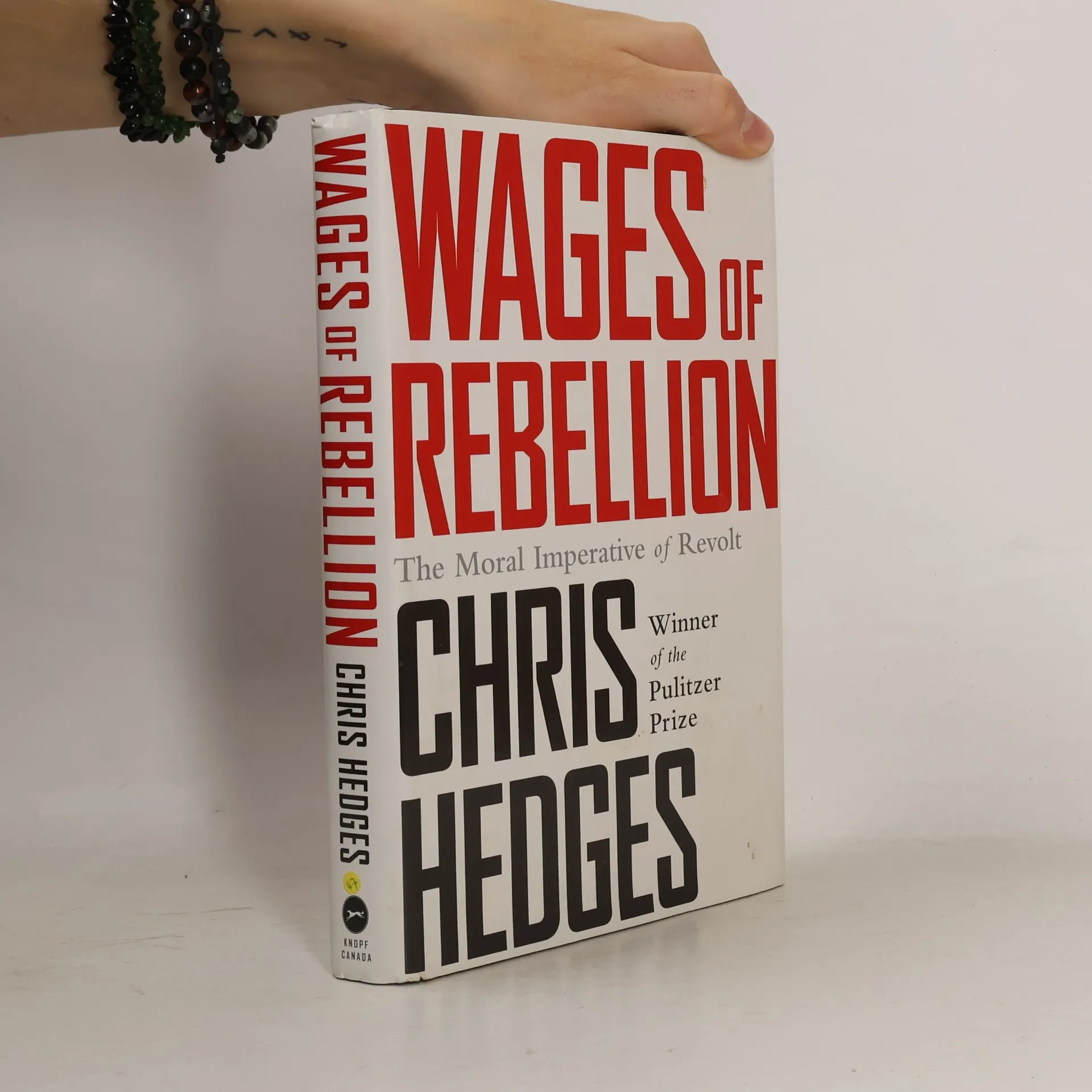
Wages of Rebellion, Chris Hedges
- Język

- Rok wydania
- 2015
- Oprawa
- (twarda),
- Stan książki
- Uszkodzony
- Cena
- 21,16 zł
Metody płatności
Brakuje nam tutaj Twojej recenzji.
- Tytuł
- Wages of Rebellion
- Podtytuł
- The Moral Imperative of Revolt
- Język
- angielski
- Autorzy
- Chris Hedges
- Wydawca
- Knopf Canada
- Rok wydania
- 2015
- Oprawa
- twarda
- Liczba stron
- 304
- ISBN10
- 0345807863
- ISBN13
- 9780345807861
- Seria
- Kategorie
- Tagi
- Tematy historyczne, Biznes, Tematyka filozoficzna, Polityka, Księgowość, Sprawiedliwość społeczna
- Ocena
- 4,2 z 5
- Opis
- In this compelling work, Pulitzer Prize winner Chris Hedges explores the dynamics of revolution and resistance, drawing parallels to historical upheavals like 1848 and 1917. He examines the social and psychological factors that fuel rebellion, highlighting the inevitability of popular uprisings in response to environmental degradation and wealth inequality. Through an analysis of influential philosophers, historians, and literary figures, Hedges identifies both the signs of impending crises and the emerging seeds of rebellion worldwide. Focusing on the narratives of rebels throughout history, he delves into what it means to be a modern-day rebel. He introduces the concept of "sublime madness," a passionate drive that compels individuals to confront seemingly insurmountable oppressive forces. For Hedges, acts of resistance are not solely about achieving success but are moral imperatives that affirm life itself. He illustrates this through the stories of South African activists fighting apartheid, contemporary anti-fracking protests in Alberta, and whistleblowers advocating for transparency. Ultimately, the work reveals the profound costs associated with a commitment to truth and justice, emphasizing that those who dare to rise against the odds are often fueled by this "sublime madness."