



Więcej o książce
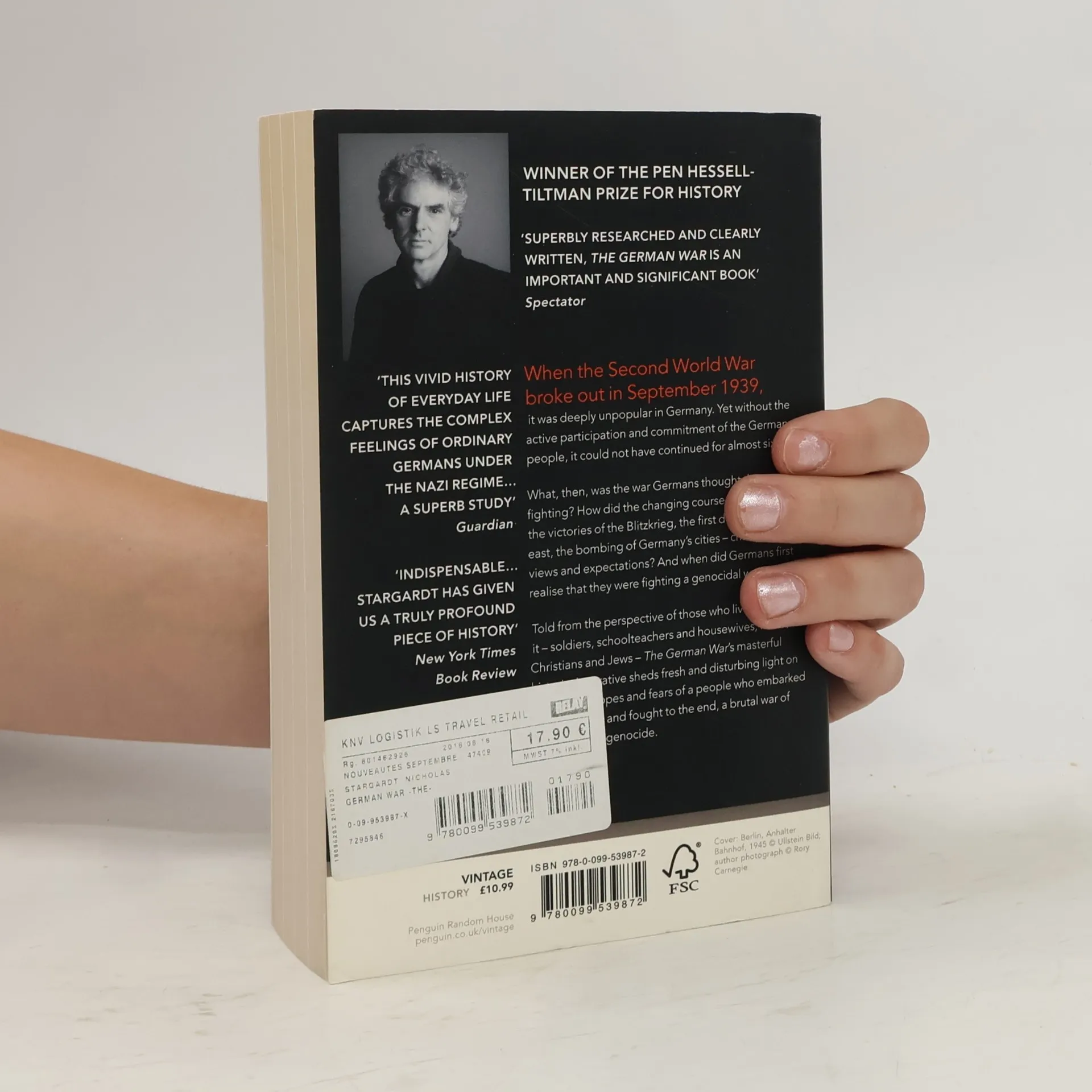
The Second World War was a uniquely German conflict, initiated by the Nazi regime, which transformed it into one of the most horrific wars in European history, employing genocidal tactics long before the establishment of gas chambers. Throughout the war, the Third Reich depleted its moral and physical resources, culminating in total defeat in 1945. Despite extensive literature on the war's origins and atrocities, the understanding of what motivated Germans and how they coped with the war remains elusive. When the war began in September 1939, it was largely unpopular in Germany, yet the active involvement of the German populace was crucial for its nearly six-year duration. This raises questions about the nature of the war Germans believed they were fighting and how their perceptions evolved through various phases of the conflict, from early victories to devastating defeats and bombings. At what point did they recognize the genocidal nature of their struggle? Drawing on extensive first-hand accounts, this exploration offers a rare insight into the German experience of the war, revealing the beliefs, hopes, and fears of individuals—soldiers, civilians, and various social groups—who participated in a brutal campaign of conquest and genocide.


Zakup książki
The German War. A Nation Under Arms, 1939-45, Nicholas Stargardt
- Język

- Rok wydania
- 2016
- Oprawa
- (miękka)
Metody płatności
Brakuje nam tutaj Twojej recenzji.
- Tytuł
- The German War. A Nation Under Arms, 1939-45
- Język
- angielski
- Autorzy
- Nicholas Stargardt
- Wydawca
- Vintage
- Rok wydania
- 2016
- Oprawa
- miękka
- ISBN10
- 009953987x
- ISBN13
- 9780099539872
- Seria
- Kategorie
- Tagi
- Tematy historyczne, Niemcy, Fikcja wojenna, Wojny, II Wojna Światowa, Historia Europy, Strach, Dzienniki, Listy, Naziści, Niepewność
- Pierwsze wydanie
- 2013
- Oryginalna nazwa
- The German War: A Nation Under Arms
- Ocena
- 4,4 z 5
- Opis
- The Second World War was a uniquely German conflict, initiated by the Nazi regime, which transformed it into one of the most horrific wars in European history, employing genocidal tactics long before the establishment of gas chambers. Throughout the war, the Third Reich depleted its moral and physical resources, culminating in total defeat in 1945. Despite extensive literature on the war's origins and atrocities, the understanding of what motivated Germans and how they coped with the war remains elusive. When the war began in September 1939, it was largely unpopular in Germany, yet the active involvement of the German populace was crucial for its nearly six-year duration. This raises questions about the nature of the war Germans believed they were fighting and how their perceptions evolved through various phases of the conflict, from early victories to devastating defeats and bombings. At what point did they recognize the genocidal nature of their struggle? Drawing on extensive first-hand accounts, this exploration offers a rare insight into the German experience of the war, revealing the beliefs, hopes, and fears of individuals—soldiers, civilians, and various social groups—who participated in a brutal campaign of conquest and genocide.