


Więcej o książce
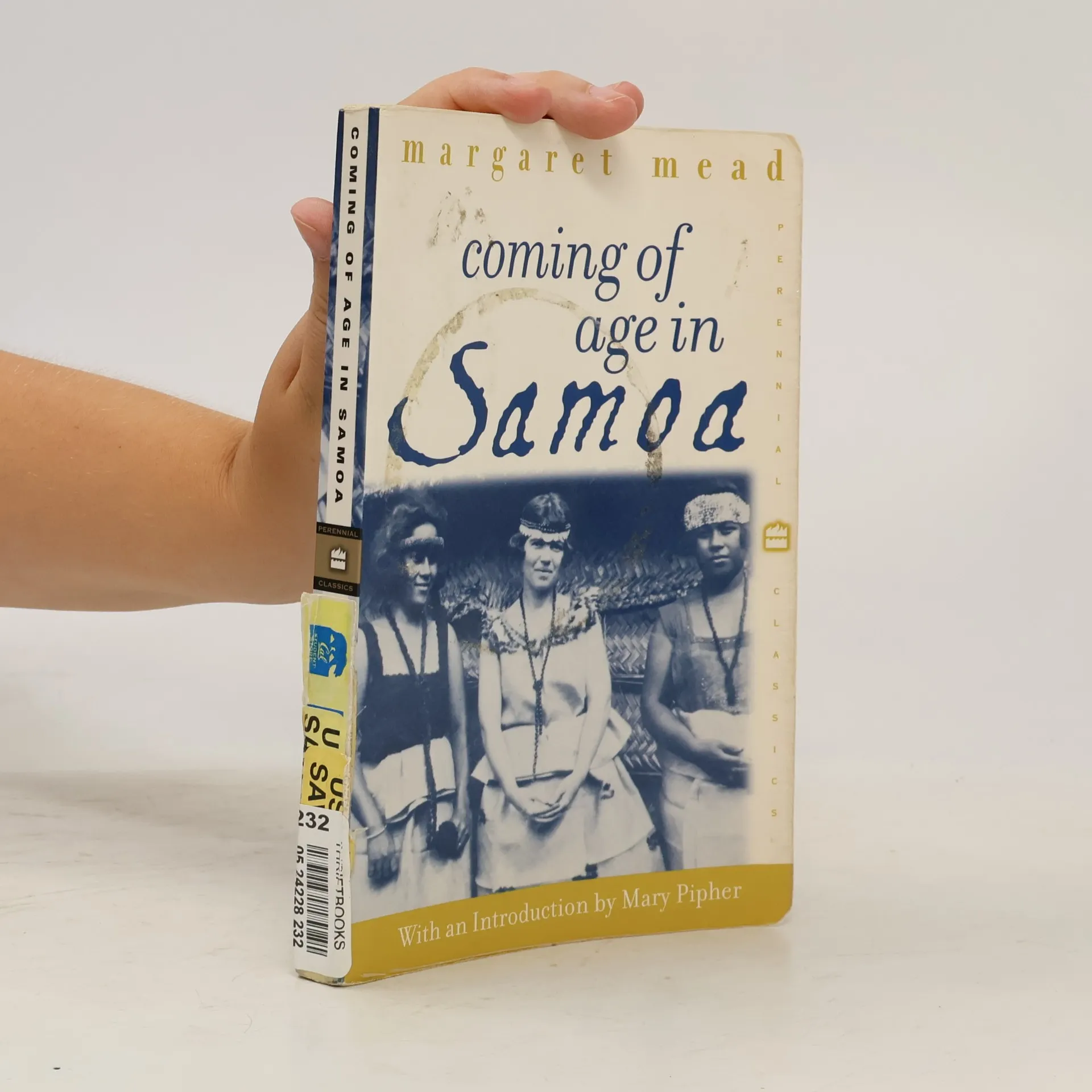
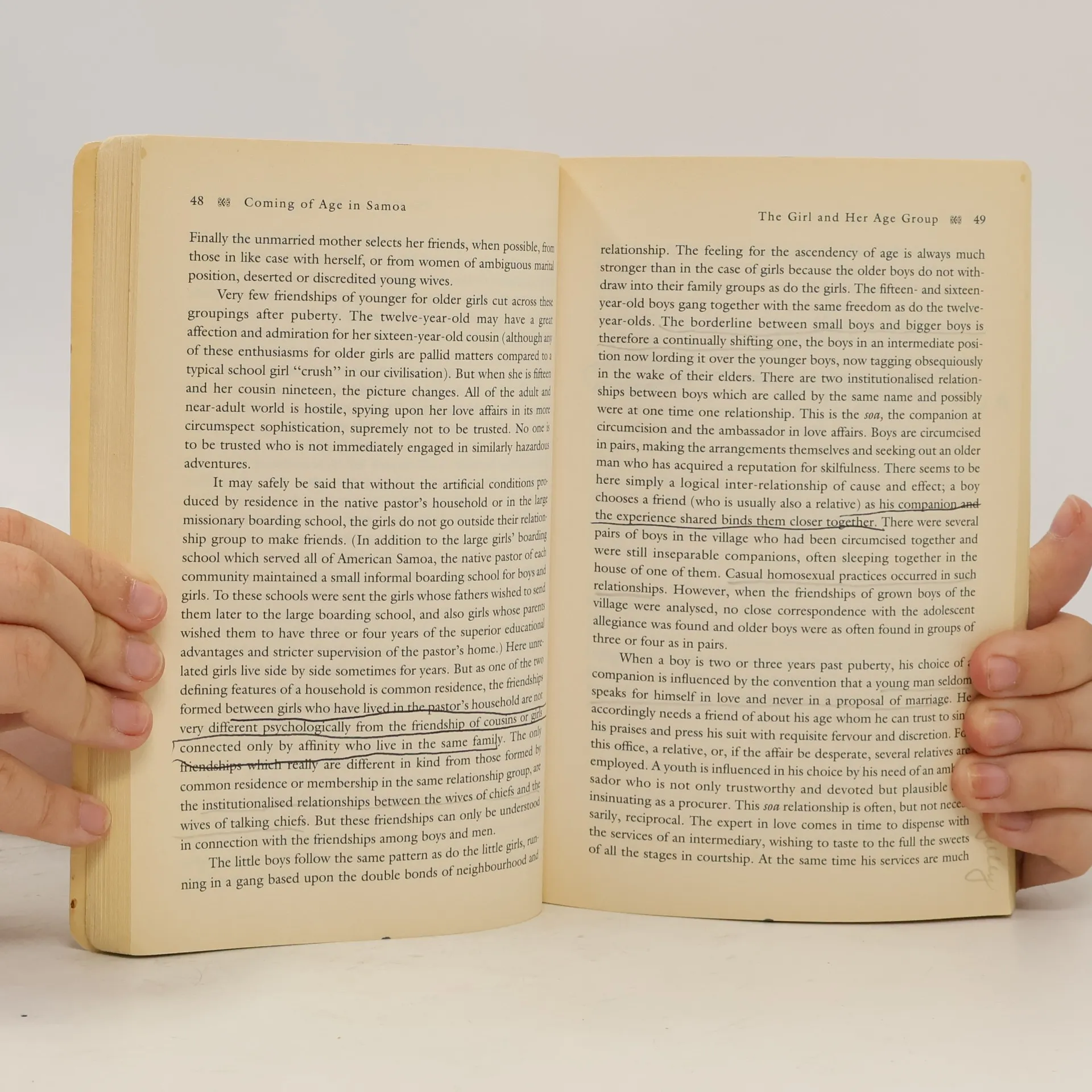
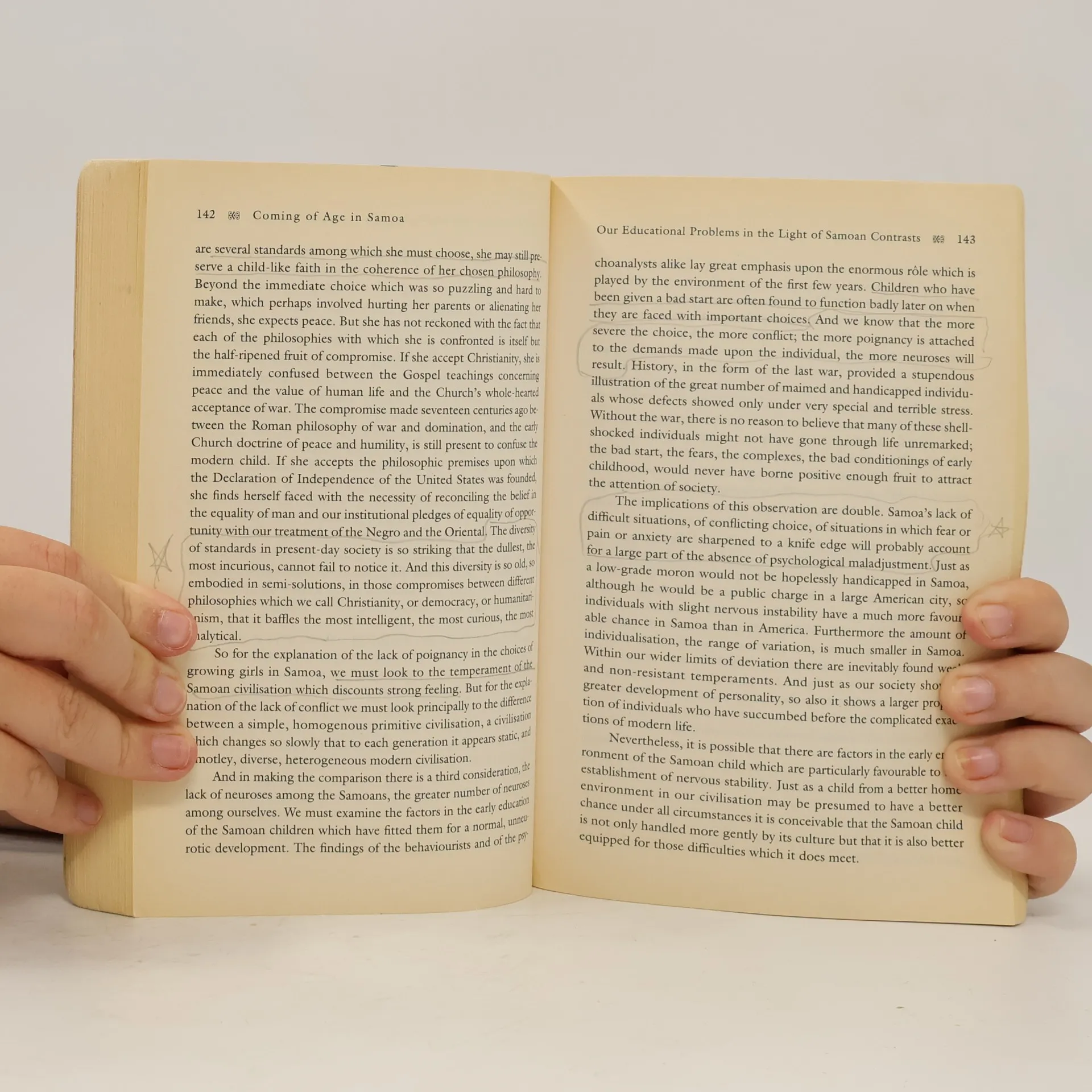
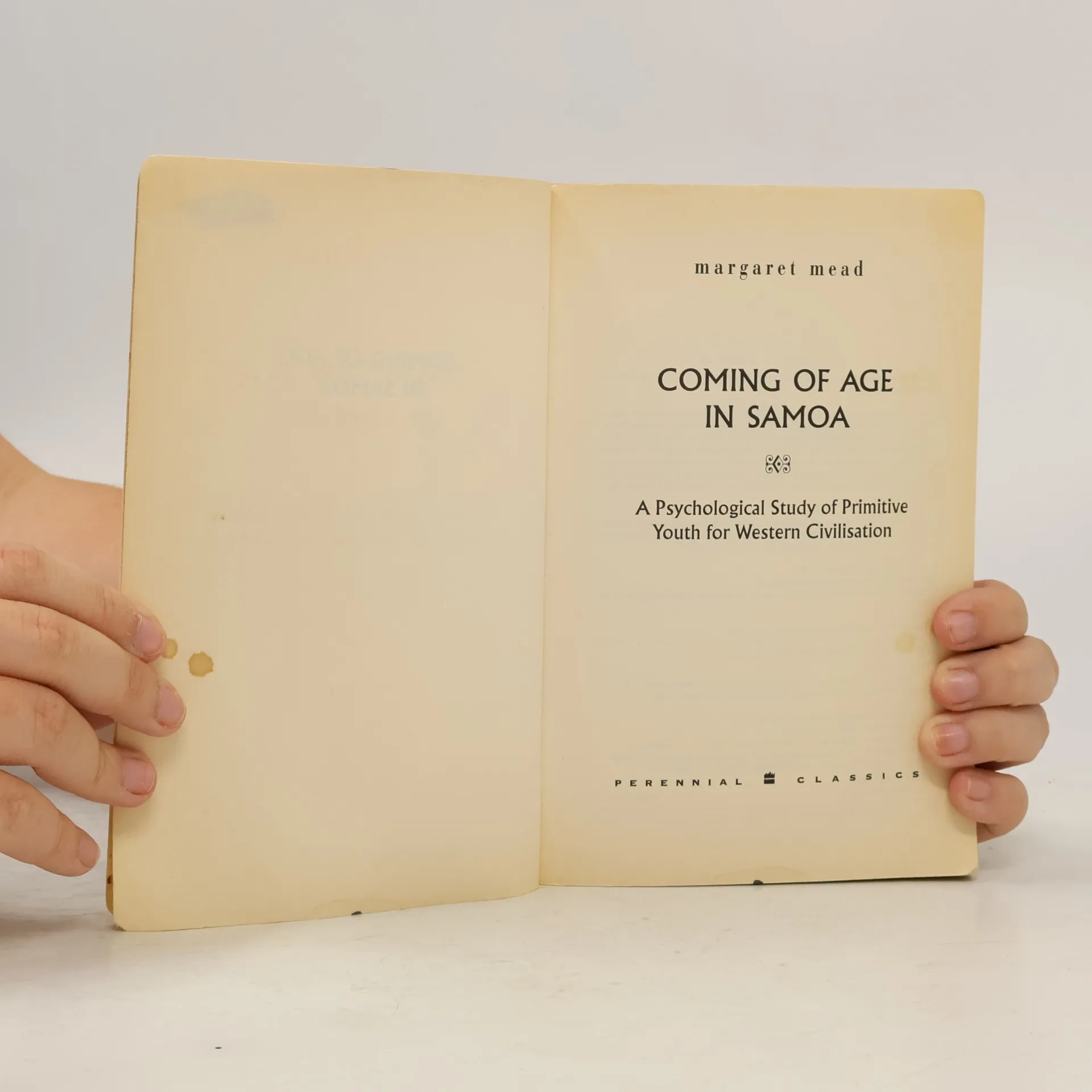
Rarely do science and literature come together in the same book. When they do -- as in Charles Darwin's On the Origin of Species, for example -- they become classics, quoted and studied by scholars and the general public alike.Margaret Mead accomplished this remarkable feat not once but several times, beginning with Coming of Age in Samoa. It details her historic journey to American Samoa, taken where she was just twenty-three, where she did her first fieldwork. Here, for the first time, she presented to the public the idea that the individual experience of developmental stages could be shaped by cultural demands and expectations. Adolescence, she wrote, might be more or less stormy, and sexual development more or less problematic in different cultures. The "civilized" world, she taught us had much to learn from the "primitive." Now this groundbreaking, beautifully written work as been reissued for the centennial of her birth, featuring introductions by Mary Pipher and by Mead's daughter, Mary Catherine Bateson.






Zakup książki
Coming of Age in Samoa, Margaret Mead
- Język

- Rok wydania
- Oprawa
- (miękka),
- Stan książki
- Uszkodzony
- Cena
- 16,22 zł
Metody płatności
Brakuje nam tutaj Twojej recenzji.
- Tytuł
- Coming of Age in Samoa
- Język
- angielski
- Autorzy
- Margaret Mead
- Wydawca
- Harper Perennial
- Oprawa
- miękka
- Seria
- Kategorie
- Pierwsze wydanie
- 1928
- Oryginalna nazwa
- Coming of Age in Samoa: A Psychological Study of Primitive Youth for Western Civilisation
- Ocena
- 3,55 z 5
- Opis
- Rarely do science and literature come together in the same book. When they do -- as in Charles Darwin's On the Origin of Species, for example -- they become classics, quoted and studied by scholars and the general public alike.Margaret Mead accomplished this remarkable feat not once but several times, beginning with Coming of Age in Samoa. It details her historic journey to American Samoa, taken where she was just twenty-three, where she did her first fieldwork. Here, for the first time, she presented to the public the idea that the individual experience of developmental stages could be shaped by cultural demands and expectations. Adolescence, she wrote, might be more or less stormy, and sexual development more or less problematic in different cultures. The "civilized" world, she taught us had much to learn from the "primitive." Now this groundbreaking, beautifully written work as been reissued for the centennial of her birth, featuring introductions by Mary Pipher and by Mead's daughter, Mary Catherine Bateson.